How Kinesiology Tape Works — and What It Does Not
Kinesiology Tape
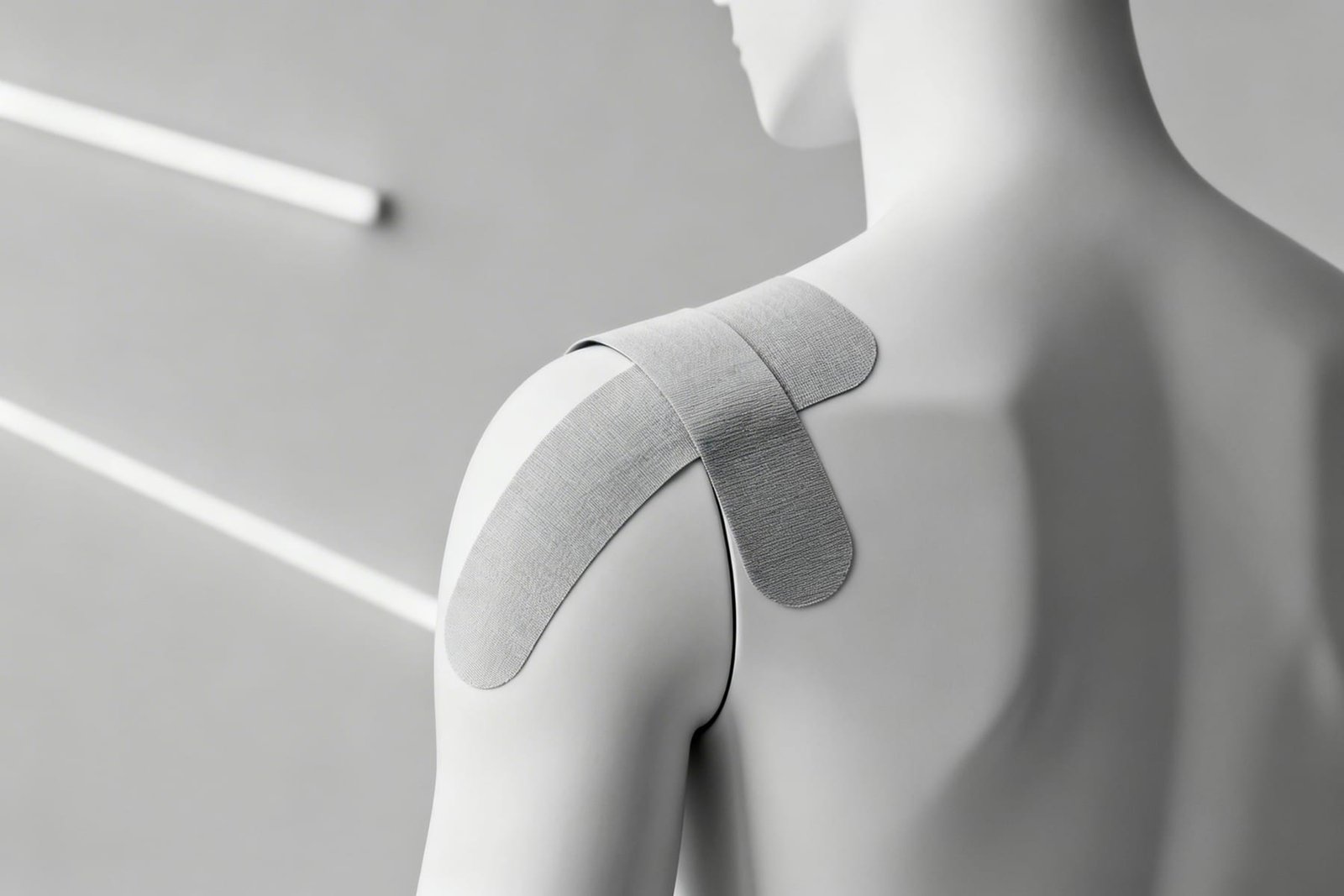
Mechanisms and Application PrinciplesKinesiology taping was originally developed as a way to provide support and sensory input without rigidly restricting movement. That basic idea remains its practical clinical value today: the tape may change how a region feels and how a person moves, but it is not a brace and should not be presented as one.
Several mechanisms have been proposed, including proprioceptive input, pain modulation through skin stimulation, altered movement awareness, and superficial lifting of the skin. Of these, the strongest and most clinically believable explanation is the sensory one: the tape changes what the nervous system feels from the skin and superficial tissue, which may slightly change comfort, confidence, and movement behavior.
The research on kinesiology tape is mixed. Across many musculoskeletal conditions, studies often show modest short-term effects at best, and sham tape frequently performs similarly. This does not mean taping is useless — it means the effect is usually small, context-dependent, and best used strategically rather than oversold.
In myofascial pain care, taping is often most useful in three situations: when it provides a useful sensory cue during active retraining, when it makes movement feel a bit safer or less painful for a short time, or when it is used briefly after another intervention such as needling or manual therapy. It should not be framed as a stand-alone correction tool.
Key Taping Applications for MPS
These are some of the most common taping applications used in myofascial pain practice. The useful distinction is not the brand name of tape, but whether the application goal is clear and the patient actually benefits from it.
Key Taping Applications for MPS
Cervical, Lumbar, Shoulder, KneeUpper Trapezius Inhibition
Cervical Spine Support
Lumbar Fascial / Paraspinal Applications
Shoulder and Scapular Taping
Patellar and IT Band Applications
Sensory Input
Stimulates skin and superficial tissue, potentially changing pain perception or movement awareness.
Proprioceptive Cueing
May help some patients notice position, posture, or movement more clearly.
Short-Term Comfort
Some people feel a modest short-term reduction in pain or a greater sense of support.
Adjunctive Follow-Through
Works best when it supports a larger plan such as exercise, needling follow-up, or movement retraining.
Evidence — What We Know
Kinesiology taping has been studied more than many other adjunctive soft-tissue treatments, partly because sham taping is relatively easy to design in research. The overall result is reasonably consistent: the tape may have a real effect, but that effect is usually modest and often not dramatically different from sham or other low-intensity interventions.
The most defensible clinical use is as an adjunct. Taping may be more worthwhile when used after needling, manual therapy, or exercise instruction, where a small improvement in comfort or proprioception can make the rest of the treatment plan work better. Its value is lower when it is used alone and expected to solve a persistent pain problem by itself.
Tape works best when it gives the nervous system a useful signal — not when it is asked to behave like a structural fix.
Mixed Evidence
Sham Overlap
Best Role
Application Selection Guide
Before applying tape, decide what you are actually trying to achieve: pain relief, movement cueing, postural awareness, or post-treatment follow-up. The application should match the goal.
Inhibition vs. Facilitation Decision
Skin Preparation and Tape Selection
Tension Guide for Different Applications
Duration and Removal Protocol
Taping Protocols
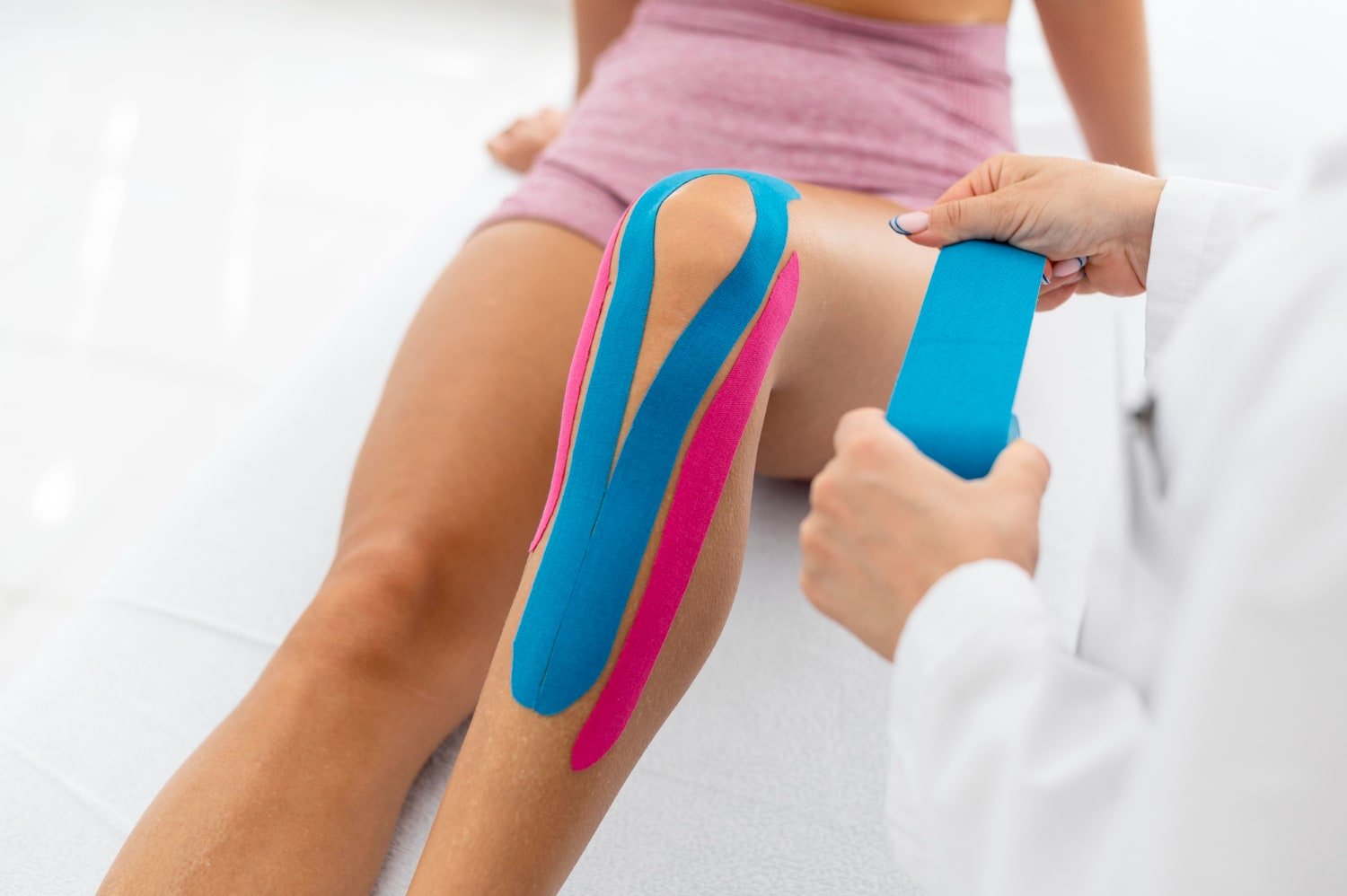
These four taping strategies reflect the most common real-world uses of kinesiology tape in myofascial pain management. They are starting points, not rigid formulas.
Taping Protocols
Proprioceptive, Fan-Tail, Postural, and Post-Treatment ApplicationsProprioceptive Cueing Protocol
A common clinical use of kinesiology tape is as a sensory cue rather than a true support device. The tape may help some patients notice posture, scapular position, or movement more clearly for a short period of time.
- Use low-to-moderate tension rather than maximal stretch
- Apply tape with a clear movement or postural goal in mind
- Have the patient move after application to see whether the tape changes comfort or awareness
- Use tape to support active retraining, not to replace it
- Reassess whether the application changed anything meaningful before repeating it
Decompression / Fan-Tail Technique
Fan-tail applications are often used over edematous, bruised, or broadly irritated tissue regions. The rationale is usually framed in terms of comfort, gentle sensory input, and tissue tolerance rather than strong claims of deep lymphatic or fascial remodeling.
- Use a single anchor with multiple tails spread across the symptomatic area
- Apply with very light stretch or minimal added tension
- This style may be useful after needling, injection, or local soft-tissue irritation when the skin tolerates tape
- Encourage normal comfortable movement after application rather than immobilization
- Stop if the area becomes itchier, hotter, more inflamed, or clearly more painful
Postural Feedback and Movement Support
Taping can sometimes be used as a reminder to reduce slumped posture or poor scapular control, but it should not be marketed as a brace or as a substitute for strength and movement retraining.
- Apply in the position you want to cue, not by pulling the body forcefully into place
- Use the tape as a reminder, not a restraint
- Explain to the patient that tape does not “hold posture” on its own
- Pair with simple exercises that teach the same pattern
- Reassess whether the patient actually feels better or moves more comfortably with the tape on
Post-Treatment Adjunct
Some clinicians apply kinesiology tape after dry needling, injection, or manual therapy as a short-term follow-up strategy. This is reasonable if the skin tolerates it and the goal is clearly explained, but it should still be treated as an adjunct, not a necessary final step after every procedure.
- Consider when treatment has just reduced pain or improved movement temporarily
- Use low-to-moderate tension and keep the application simple
- Choose taping patterns that reinforce comfort and movement rather than aggressive correction
- Remove early if the skin reacts or the tape clearly worsens symptoms
- Do not assume tape is required just because a procedure was performed
Contraindications & Cautions
Kinesiology tape is generally low risk, but skin tolerance and clinical judgment still matter. Not every painful area should be taped, and not every taped area should stay taped for the full wear window.
Kinesiology tape may provide modest short-term symptom relief in some myofascial pain presentations, but the average effect is usually small and inconsistent.
The most plausible mechanism is sensory and proprioceptive input, not strong structural support.
Tape tends to work best as an adjunct to exercise, manual therapy, or post-treatment follow-up rather than as a stand-alone intervention.
Lower tension is usually safer and more useful than overly aggressive application.
Skin tolerance matters. Good taping technique includes knowing when not to tape and when to remove it early.