How IASTM Works — The Science
IASTM
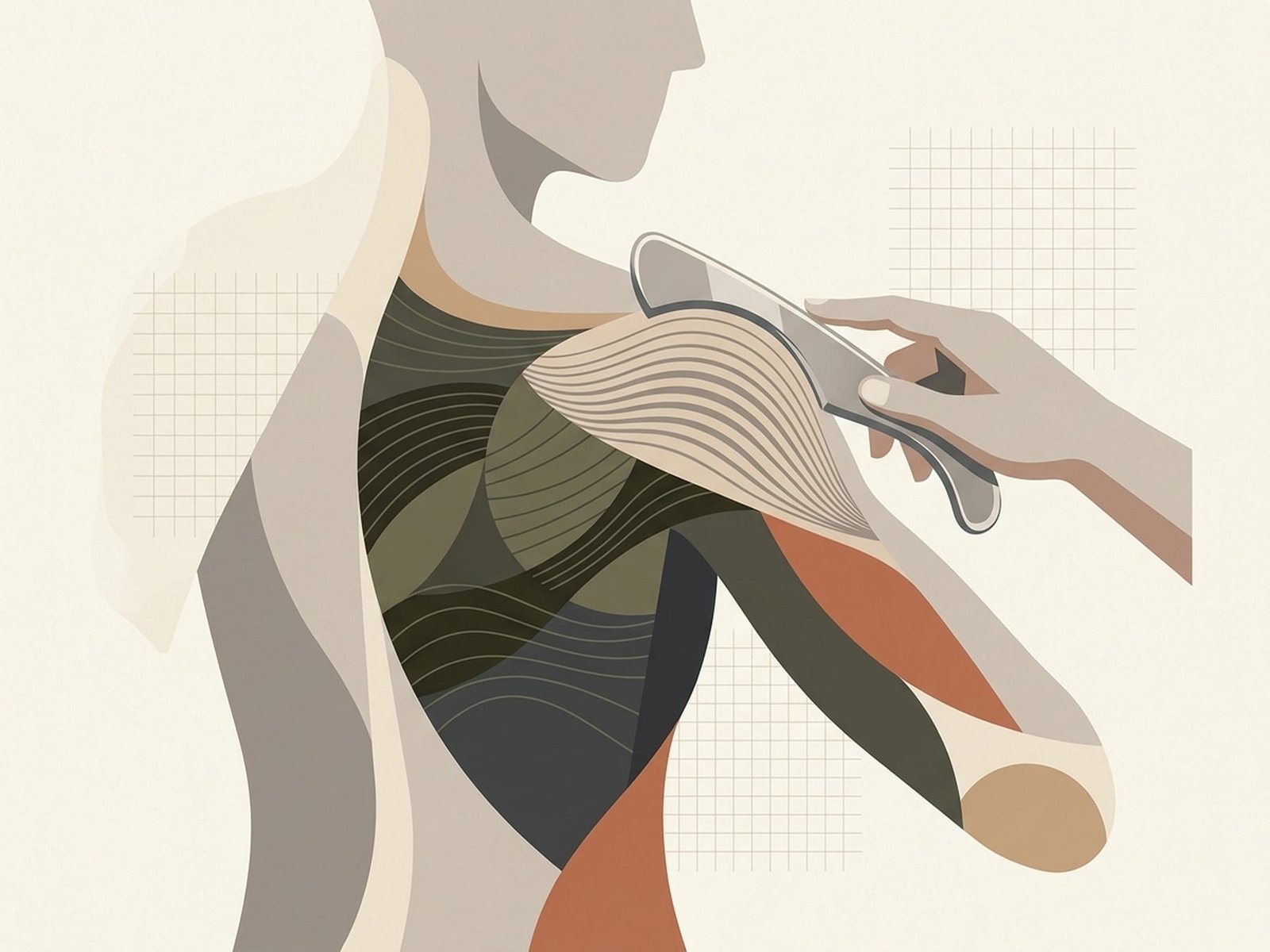
Fibroblast Activation and Tissue Remodeling MechanismInstrument-Assisted Soft Tissue Mobilization (IASTM) operates on a deliberately counterintuitive premise: controlled tissue injury promotes healing. When a stainless steel instrument is drawn across skin and underlying fascia with appropriate pressure, it creates microscopic disruption of collagen fibers — a targeted, quantifiable version of the same microtrauma that occurs during deep friction massage. This disruption triggers a localized acute inflammatory response: mast cell degranulation, neutrophil recruitment, and critically, fibroblast activation. Fibroblasts are the primary architects of connective tissue — they synthesize collagen, remodel fascial adhesions, and restore tissue compliance. IASTM essentially initiates a controlled restart of the tissue remodeling process in areas where dysfunctional scar tissue or fascial restriction has become the perpetuating factor in chronic pain.
The history of IASTM in Western medicine begins with David Graston, an amateur athlete who developed the first commercially patented IASTM instruments in the 1990s following a personal water-skiing knee injury. Graston recognized that instrument-assisted soft tissue work could reach deeper tissue layers with more consistent pressure than manual therapy alone — and partnered with Ball State University to generate the first research base. The system expanded through the 2000s, gaining adoption in professional sports medicine and physical therapy. Competing systems emerged as Graston's certification costs created a market gap: HawkGrips targeted mainstream PT clinics, RockBlades targeted the athletic and functional fitness community, and FAKTR reimagined the entire treatment philosophy by mandating movement during instrument application.
Comparing IASTM to manual soft tissue therapy requires nuance. The clinical outcomes — pain reduction, ROM improvement, functional gains — are broadly similar when studies compare matched patient populations. The fundamental difference is mechanism: manual therapy (massage, myofascial release, trigger point pressure) works primarily through neurophysiological pathways — activating mechanoreceptors, modulating pain via the gate control mechanism, and improving local circulation. IASTM works primarily through tissue remodeling — the microtrauma-fibroblast-collagen pathway. This distinction has practical clinical implications. For acute trigger points with high neurophysiological sensitivity, manual therapy may be better tolerated and faster in immediate response. For chronic, fibrous, post-injury adhesions where structural change is needed, IASTM produces superior long-term remodeling. The most effective approach for chronic MPS combines both — using manual therapy for neurophysiological modulation and IASTM for structural remodeling.
In the context of myofascial pain syndrome treatment, IASTM occupies a specific and valuable role within a multimodal protocol — but it is not a standalone solution. Trigger points are perpetuated by a combination of structural factors (fascial adhesions, taut bands), neurophysiological factors (central sensitization, autonomic dysregulation), and perpetuating factors (posture, mechanics, breathing, sleep). IASTM directly addresses the structural component with greater precision than most manual techniques, but without concurrent correction of perpetuating factors and neuromuscular re-education through therapeutic exercise, the structural remodeling IASTM creates will be undone by the same forces that created the problem. The clinical protocol that consistently produces lasting outcomes is IASTM for structural remodeling + dry needling for deep trigger point deactivation + therapeutic exercise for neuromuscular re-education + perpetuating factor correction.
Microtrauma Initiation
Controlled instrument strokes create microscopic disruption of dysfunctional collagen cross-links.
Inflammatory Cascade
Mast cell degranulation and neutrophil recruitment trigger a localized acute healing response.
Fibroblast Activation
Fibroblasts proliferate and synthesize new collagen, remodeling adhesions into functional tissue.
Tissue Compliance Restored
Remodeled fascia regains normal extensibility, reducing mechanical restriction and pain.
IASTM Systems Compared
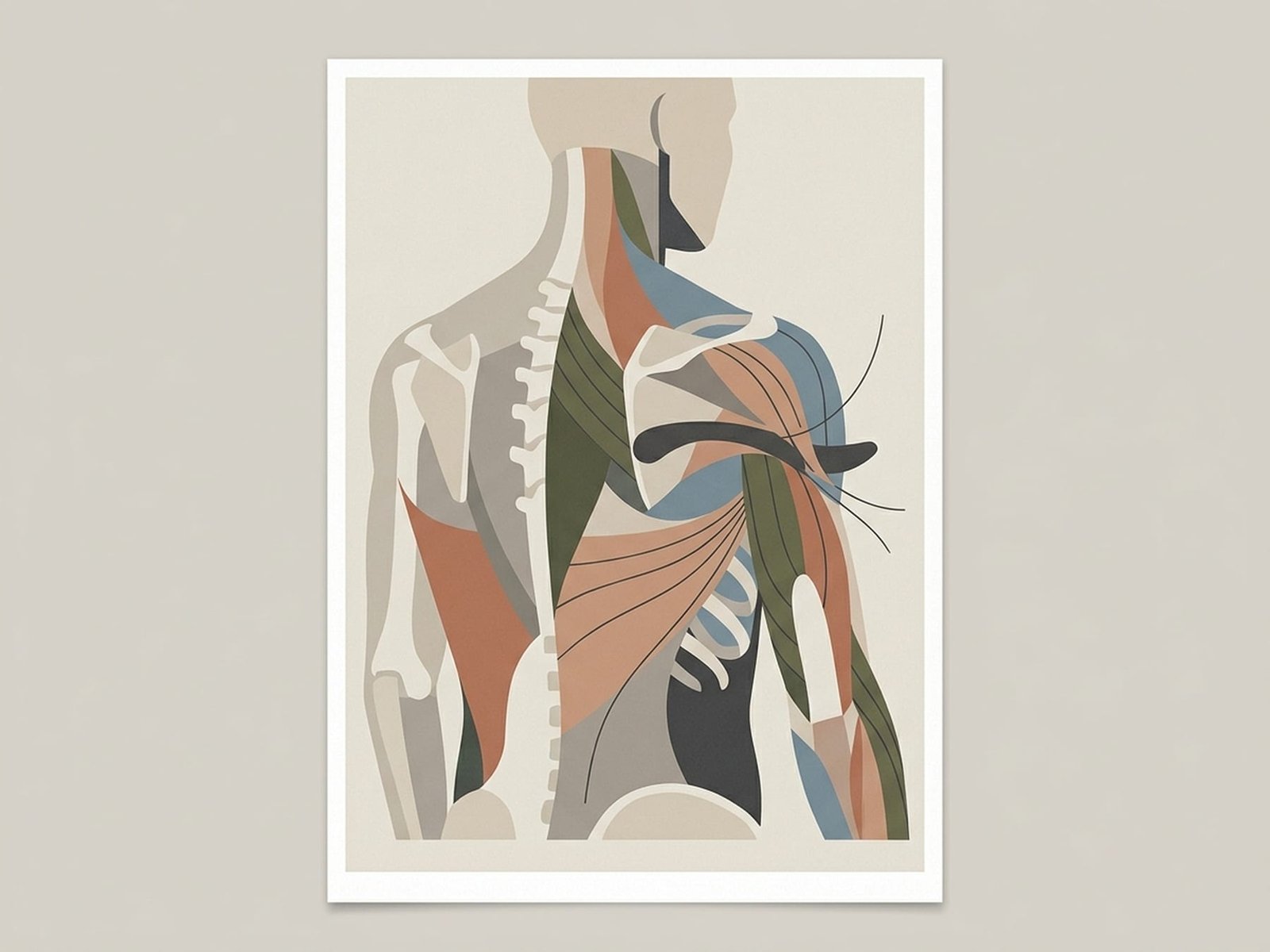
Five IASTM systems dominate the clinical landscape, each with distinct tool profiles, training requirements, cost structures, and philosophical approaches to instrument application. Understanding the differences helps clinicians select the system best suited to their practice setting and patient population.
IASTM Systems
Graston GT1-GT6 Instrument Set ComparisonGraston Technique
HawkGrips
FAKTR
RockBlades
Home/Self-IASTM
Evidence & Outcomes
The evidence base for IASTM varies considerably by condition. Among the more frequently studied applications, lateral epicondylitis (tennis elbow) has several small RCTs and case series suggesting improvements in pain, grip strength, and function when IASTM is added to exercise-based care, although study quality is mixed and direct head-to-head trials against corticosteroid injection are lacking. Plantar fasciitis and rotator cuff tendinopathy have a smaller but generally favorable evidence base, mainly as an adjunct to eccentric or heavy slow resistance loading. Evidence for IASTM in myofascial trigger point treatment specifically is limited and of modest quality: small studies show short-term pain reduction and pressure pain threshold improvements, but well-controlled comparisons with dry needling are scarce.
The comparison between IASTM and manual soft tissue therapy is nuanced. Systematic reviews comparing IASTM to other soft tissue techniques have generally found no clear superiority of one approach over the other for pain and function outcomes in musculoskeletal conditions — suggesting that the tissue-remodeling mechanism and the neurophysiological mechanism may produce broadly similar clinical results by different paths. Clinically, many practitioners observe that patients with chronic fibrous adhesions and post-injury scar tissue tolerate and respond well to IASTM, while patients with primarily neurophysiological sensitivity (central sensitization, high pain catastrophizing) often do better with gentler manual approaches before IASTM is introduced.
IASTM does not heal tissue — it restarts the healing process in tissue that has stalled in a dysfunctional state. The instrument is a controlled instigator, not the healer. The patient's own biology does the remodeling.
Lateral Epicondylitis
Tendinopathy
Manual Therapy
Regional Protocol Guide
These four regional protocols provide clinician-ready frameworks for the most common IASTM treatment areas. Each includes positioning, tool angle, pressure grade, stroke direction, pre/post assessment, and integration with other modalities. Adapt pressure and frequency to individual patient response.
Cervical and Thoracic Region
Lumbar and Gluteal Region
Upper Extremity
Lower Extremity
Treatment Protocols
Four treatment protocol frameworks cover the principal clinical scenarios for IASTM: the standard session structure, FAKTR movement integration, combined dry needling protocols, and home self-maintenance. Each addresses a different clinical context, and integrating all four across a full treatment plan produces outcomes that neither IASTM alone nor any other single modality can match.
IASTM Treatment Protocol
Session Structure and Stroke PatternsStandard IASTM Treatment Session
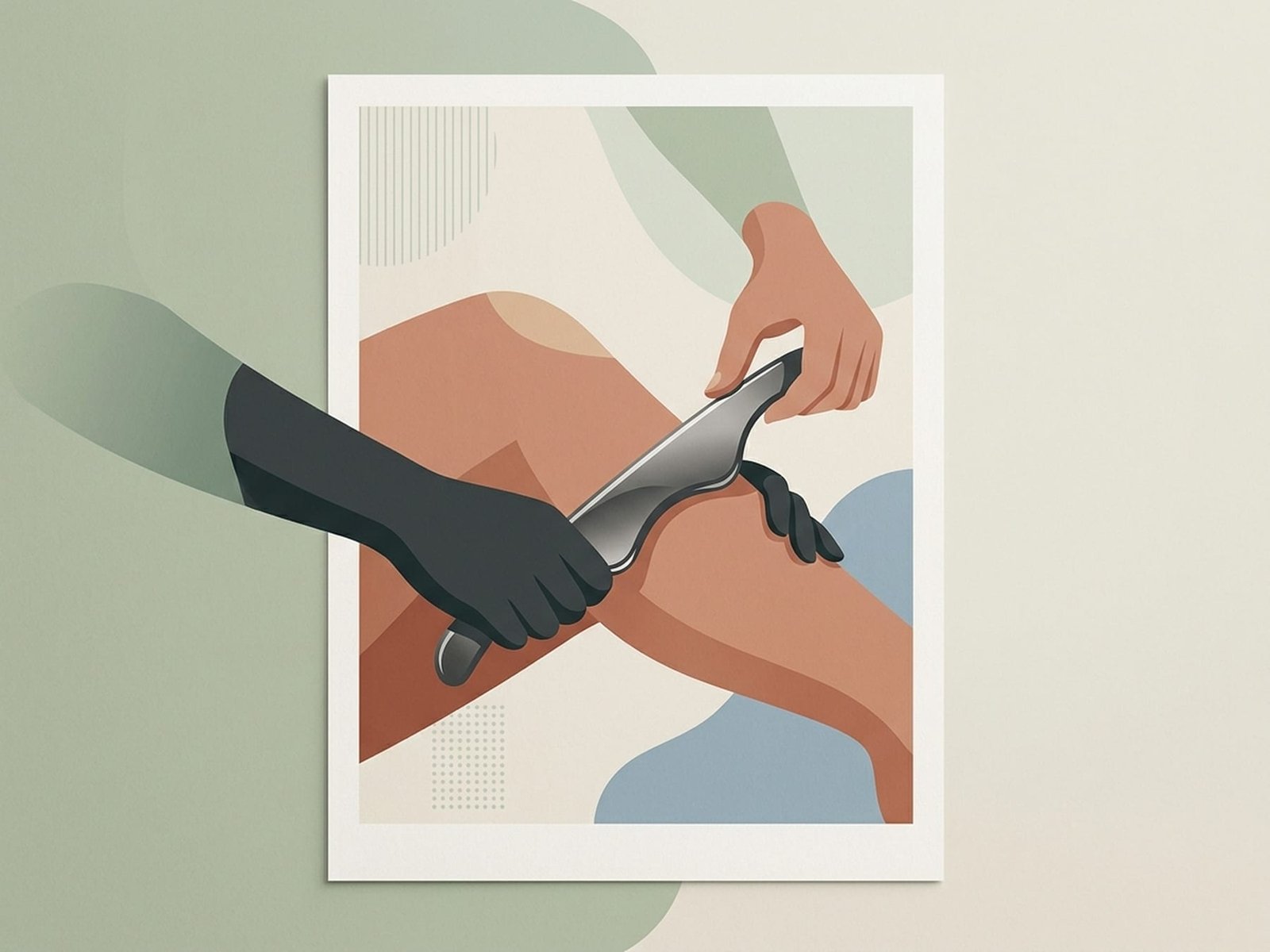
The complete session protocol for a standard 15-20 minute IASTM treatment. Structured sequencing from assessment through post-treatment exercise optimizes tissue response and minimizes adverse effects.
- Assessment: pre-treatment ROM measurement, palpation of target tissues, identification of taut bands and tissue texture changes
- Emollient application: lotion, cream, or oil applied to treatment area — adequate lubrication is essential to prevent skin abrasion
- Scanning strokes (Grade 1-2, light pressure): broad strokes over the entire region to identify areas of increased resistance, crepitus, or tissue density changes
- Treatment strokes (Grade 2-3, medium pressure): targeted strokes at 45-75 degree tool angle over identified taut bands and adhesions — 3-5 sets of 10-15 strokes per area
- Feathering strokes: light dispersal strokes over treated area to reduce local reaction and smooth tissue response
- Post-treatment: immediate stretching of treated tissue (30-60 seconds), followed by therapeutic exercise targeting the same tissue under load
- Dosing: 2-3 sessions per week for 4-6 weeks acutely; reduce to weekly maintenance as symptoms resolve
FAKTR Integration Protocol
IASTM applied during functional movement rather than at rest. The FAKTR approach treats tissue in the exact positions that provoke symptoms, producing superior mechanoreceptor stimulation and functionally relevant remodeling.
- Assessment: identify the provocative position — the specific movement or load that reproduces the patient's symptoms
- Position patient in the provocative position or have them perform the provocative movement during treatment
- Example — shoulder: patient performs active shoulder flexion while clinician applies IASTM to pectoralis minor and anterior shoulder capsule
- Example — lumbar MPS: patient performs standing hip hinge (Romanian deadlift pattern) while clinician applies IASTM to thoracolumbar fascia and QL
- Example — lateral epicondylitis: patient actively opens and closes fist (gripping pattern) while IASTM is applied to the common extensor origin
- The combination of tissue deformation from the instrument and simultaneous neuromuscular activation accelerates mechanoreceptor re-education
- Particularly effective for movement-pattern-related MPS where trigger points are consistently activated during specific functional tasks
Pre-Needling and Post-Needling IASTM
IASTM combined with dry needling in a structured sequence produces additive outcomes — pre-needling IASTM reduces muscle guarding, and post-needling IASTM accelerates tissue remodeling and disperses local reaction.
- Pre-needling IASTM (5-10 minutes before needling): reduces superficial tissue tension and muscle guarding, improving dry needle penetration through tightened fascial layers
- Pre-needling IASTM particularly effective for deep trigger points in QL, piriformis, and thoracic paraspinals where overlying tissue tension impedes needle access
- Needle insertion and LTR (local twitch response) elicitation proceed after IASTM pre-treatment
- Post-needling IASTM (5-10 minutes after needle removal): disperses local inflammatory reaction, accelerates fibroblastic remodeling at needle insertion sites
- Post-needling IASTM uses lighter pressure (Grade 1-2) to avoid overstimulating post-needling sensitivity
- Combined protocol rationale: clinical experience and small studies suggest the pre/post-needling IASTM combination may produce faster ROM restoration and more durable trigger point response than needling alone, although the comparative evidence base remains limited
Home Self-IASTM Maintenance
A structured home maintenance program using affordable tools — bridging the gap between clinical sessions and providing ongoing tissue maintenance for chronic MPS patients.
- Tool selection: Sidekick IASTM tools (ergonomically designed for self-application), Gua sha stone, or ceramic porcelain soup spoon (zero-cost gua sha tool) with massage oil
- Neck and shoulder self-treatment: seated, apply emollient to upper trapezius and lateral neck; use broad edge of tool at 45 degrees, superior-to-inferior, Grade 1-2 pressure — no bruising target
- Forearm self-treatment: forearm supported on table, tool applied along extensor or flexor surface from elbow to wrist; particularly effective for repetitive strain and keyboard-related MPS
- Calf and plantar fascia: seated or supine, apply to gastroc-soleus and plantar fascia surface; integrate with standing calf stretch immediately after
- Frequency: 2-3 times per week; avoid applying to acutely inflamed or post-treatment bruised tissue
- Professional treatment is required for posterior shoulder, deep spinal musculature, and any area the patient cannot comfortably reach with proper tool angle
Contraindications & Precautions
IASTM is a safe intervention when properly applied, but several absolute contraindications and relative precautions must be assessed before treatment. The intentional microtrauma mechanism that makes IASTM effective also creates specific risks in compromised tissues.
The mechanism of IASTM is controlled microtrauma — the instrument creates a localized inflammatory cascade that triggers fibroblast proliferation, collagen synthesis, and tissue remodeling, breaking the dysfunctional scar tissue and fascial adhesion cycle that perpetuates trigger points.
The most studied IASTM applications are tendinopathies — particularly lateral epicondylitis (tennis elbow), plantar fasciitis, and rotator cuff tendinopathy — where the available RCTs and case series, despite mixed quality, generally support IASTM as a useful adjunct to loading exercise. Evidence for trigger point resolution specifically is more limited and primarily short-term.
IASTM and manual soft tissue therapy (massage, myofascial release) produce similar clinical outcomes, but through different mechanisms — IASTM induces a tissue-remodeling response while manual therapy primarily works through neurophysiological and circulation mechanisms. The two approaches are complementary, not competitive.
IASTM without subsequent therapeutic exercise is a missed opportunity. The post-treatment window (approximately 30-90 minutes post-IASTM) represents peak tissue compliance — loading the treated tissue with therapeutic exercise during this window accelerates remodeling and functional recovery.
Gua sha — the traditional Chinese scraping therapy — is the historical and mechanistic equivalent of modern IASTM. For patients who cannot access or afford professional IASTM, teaching gua sha technique with appropriate tools is a legitimate, evidence-supported alternative for home maintenance.