Overview
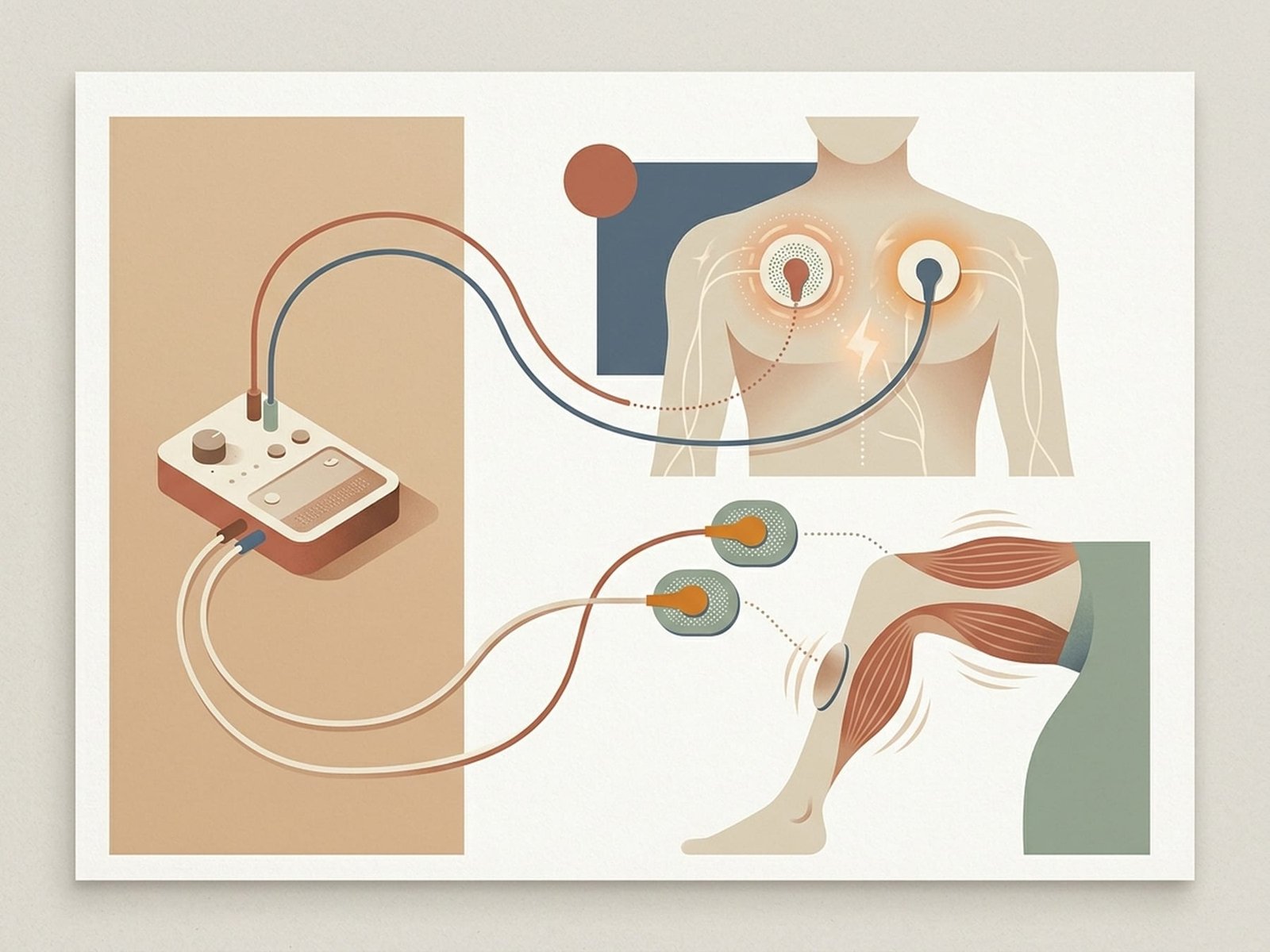
Home TENS EMS Devices Overview
Home TENS units are among the most cost-effective self-care tools available for myofascial pain syndrome management. A quality dual-channel device costs less than a single physical therapy session and provides years of daily use. When used correctly with proper pad placement and frequency settings, TENS can deliver meaningful pain relief that reduces dependence on analgesic medications.
The effectiveness of TENS for trigger point pain depends entirely on correct application — the right frequency for the right mechanism, proper electrode placement relative to the trigger point, adequate intensity, and appropriate session duration. Most patients who report that "TENS didn't work" were using incorrect settings or suboptimal pad placement.
The sections below cover evidence-based protocols for every major trigger point region , explain the neurophysiology behind each frequency setting, and give practical instructions for maximizing the analgesic benefit of home electrical stimulation.
The difference between TENS that works and TENS that doesn't is almost always in the settings and pad placement — not the device.
TENS is not a standalone treatment — it is a powerful complement to stretching, heat therapy, and manual treatment . The analgesic window created by TENS allows more effective stretching and self-massage with less pain guarding, making every other home intervention more productive.
Important: TENS and EMS are safe for most people, but they are absolutely contraindicated in patients with cardiac pacemakers or implanted defibrillators. Never place electrodes over the front of the neck (carotid sinus) or across the chest. If you have any implanted electronic device, consult your physician before using TENS.
TENS vs. EMS — Understanding the Difference
TENS and EMS are fundamentally different modalities that target different neural pathways. Understanding the distinction is essential for selecting the correct settings for your treatment goal — pain relief (TENS) versus muscle relaxation and re-education (EMS).
TENS — Transcutaneous Electrical Nerve Stimulation
TENS delivers low-voltage electrical impulses through surface electrodes to stimulate sensory nerves. It does not cause muscle contraction at therapeutic intensities. TENS works primarily through two mechanisms: high-frequency stimulation (80–120 Hz) activates the gate control mechanism, blocking pain signal transmission at the spinal cord; low-frequency stimulation (2–4 Hz) triggers endogenous opioid release (endorphins and enkephalins), providing longer-lasting analgesia. TENS is the primary modality for pain relief in trigger point management.
EMS — Electrical Muscle Stimulation
EMS (also called NMES — Neuromuscular Electrical Stimulation) delivers higher-intensity impulses that cause actual muscle contraction. It targets motor nerves rather than sensory nerves. For trigger points, EMS can help fatigue hypertonic muscle fibers, improve local blood flow through the muscle pump effect, and facilitate muscle re-education after prolonged guarding. EMS is used as a complement to TENS, not a replacement — it addresses muscle dysfunction while TENS addresses pain.
Frequency Settings & Modes
The frequency (Hz) and pulse width (μs) settings determine which neural pathways are activated and which pain-relief mechanism is engaged. Incorrect settings are the most common reason home TENS users report poor results. Each mode has specific clinical applications for trigger point management.
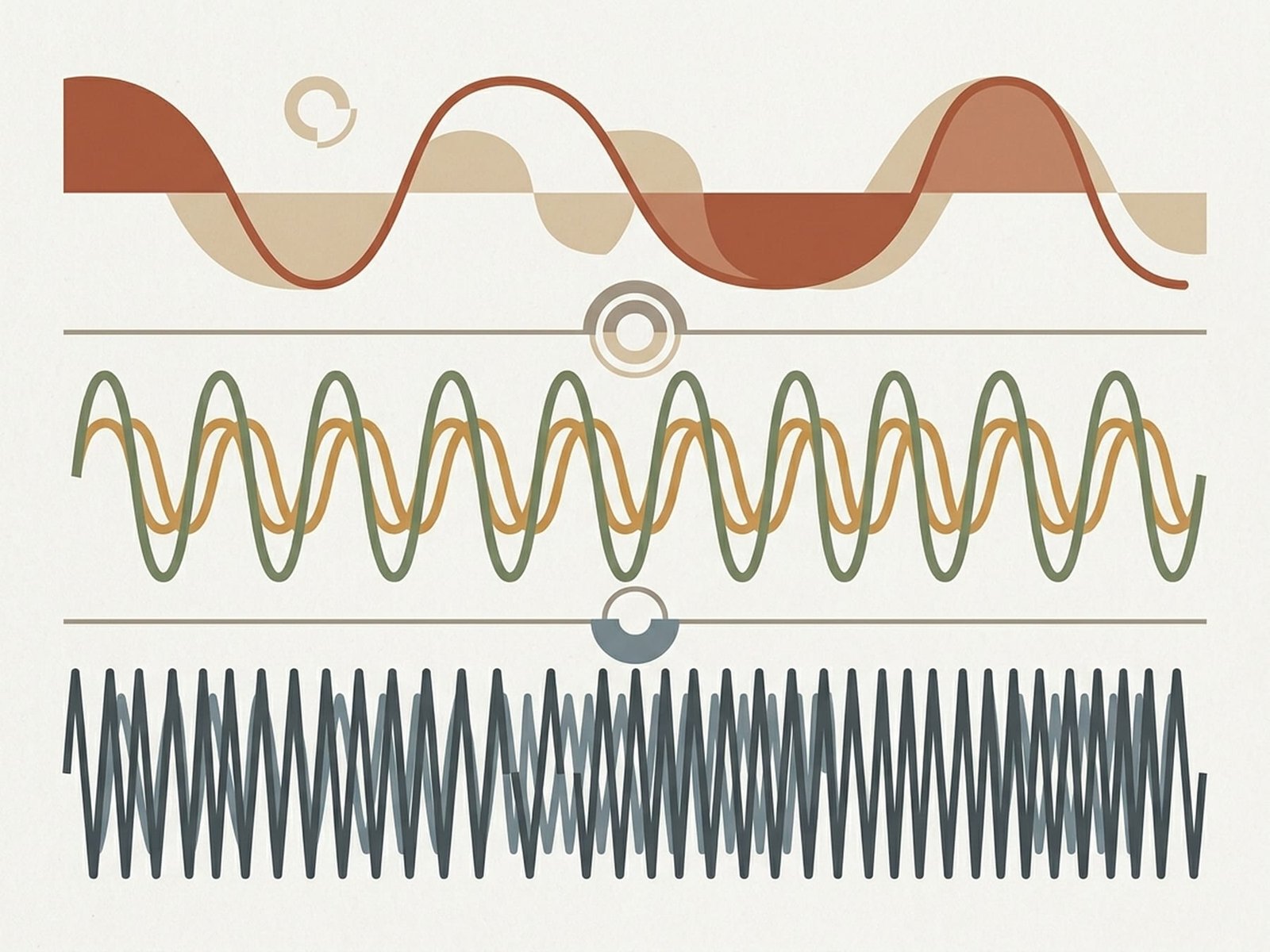
Frequency Settings Comparison Chart
High-Frequency TENS (Gate Control)
Frequency
80–120 Hz
Pulse Width
50–100 μs
Set frequency to 80–100 Hz, pulse width to 50–80 μs. Increase intensity until you feel a strong but comfortable tingling/buzzing sensation with no muscle contraction. The sensation should be pleasant, not painful.
Low-Frequency TENS (Endorphin Release)
Frequency
2–4 Hz
Pulse Width
150–250 μs
Set frequency to 2–4 Hz, pulse width to 200 μs. Increase intensity until you see visible muscle twitching (this is normal and necessary at low frequencies). Each "pulse" should produce a brief, rhythmic muscle twitch.
Burst Mode TENS
Frequency
Bursts of 100 Hz delivered at 2–4 Hz
Pulse Width
150–200 μs
Select burst mode on your device. Adjust intensity until the bursts produce a comfortable rhythmic tapping sensation. Burst mode is well-tolerated by most patients and provides a good balance of rapid and sustained relief.
EMS for Trigger Points
Frequency
20–50 Hz
Pulse Width
200–400 μs
Set frequency to 35–50 Hz, pulse width to 300 μs. Increase intensity until you achieve a visible, comfortable muscle contraction. Use a duty cycle of 5 seconds on / 10 seconds off. The contraction should be firm but not painful.
Pad Placement by Region
Electrode placement determines which neural structures receive stimulation. For trigger points, the most effective placement brackets the trigger point with one electrode on each side, directing current flow through the target tissue. The following region-specific guidelines maximize therapeutic current delivery to common trigger point locations.
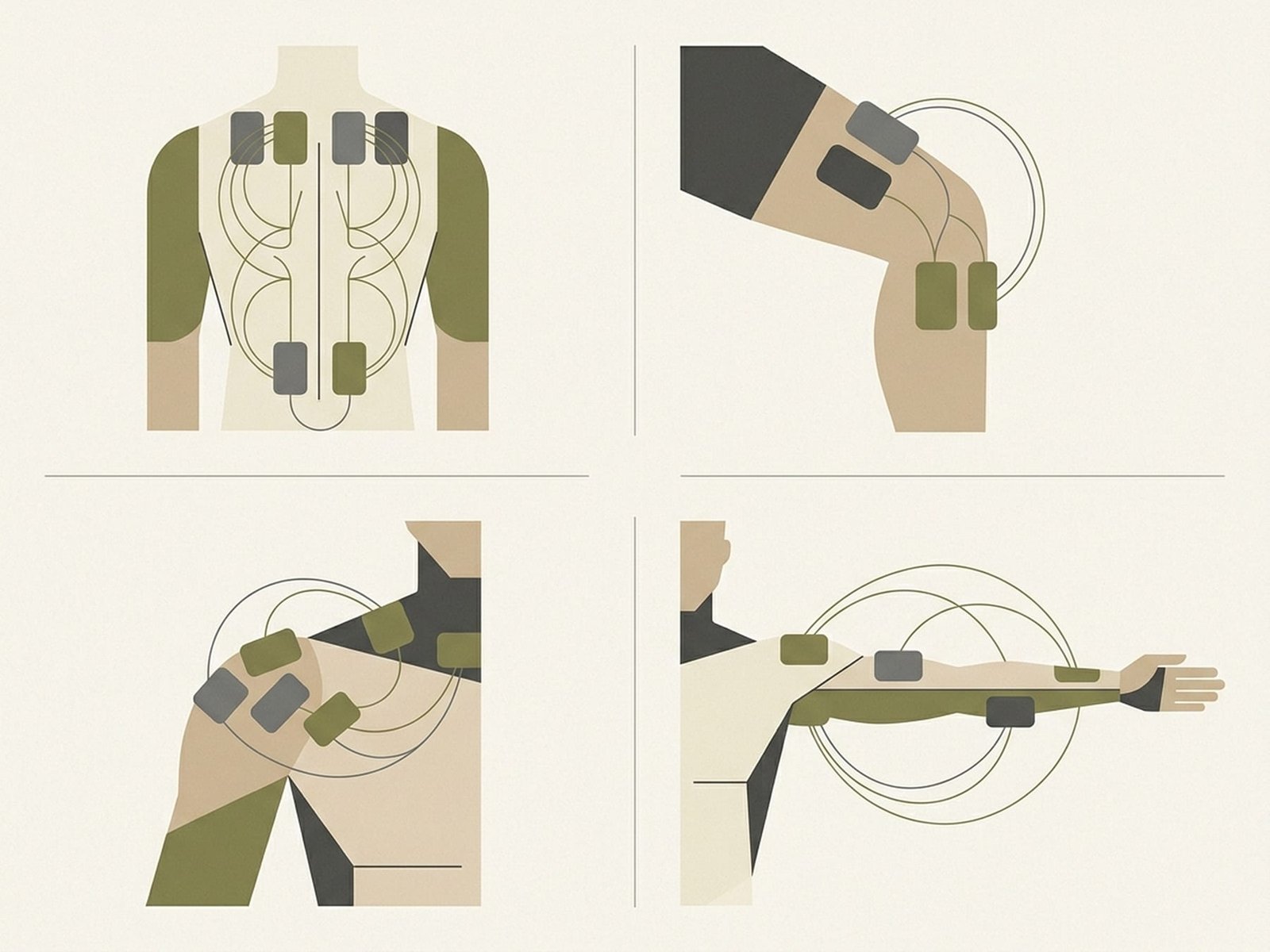
TENS Pad Placement Maps Diagram
Neck & Upper Trapezius
Place one electrode pair bracketing the trigger point — one pad 2–3 cm above and one 2–3 cm below the identified trigger point in the upper trapezius.
For broader coverage: place one pad on the upper trapezius muscle belly and the second pad at the cervicothoracic junction (C7–T1 area).
Never place pads directly over the carotid arteries (front/side of the neck). Keep all electrode placements posterior to the sternocleidomastoid muscle.
For bilateral symptoms: treat one side at a time, or use a 4-pad (dual-channel) configuration with one channel per side.
Low Back (QL & Erector Spinae)
Place electrode pairs paravertebrally — one pad on each side of the spine at the level of the trigger point, approximately 3–4 cm from midline.
For QL trigger points specifically: place one pad at the level of the 12th rib laterally and the second pad at the iliac crest, spanning the QL muscle.
Never place pads directly over the spinal column — always position them on the muscle tissue flanking the spine.
Use large (5×9 cm) pads for the low back to distribute current over a wider area and improve comfort.
Hip & Piriformis
Place one pad over the piriformis belly (midway between the sacrum and the greater trochanter) and the second pad 5–7 cm inferior, over the gluteus maximus.
For sciatic-like symptoms: position pads along the course of the piriformis to address the nerve entrapment component.
Use a side-lying position with the affected side up for optimal pad contact in the gluteal region.
The piriformis is deep — use wider pulse widths (200+ μs) to ensure current penetration to the target muscle.
Shoulder (Infraspinatus & Supraspinatus)
For infraspinatus: place one pad over the infraspinatus fossa (below the spine of the scapula) and the second over the posterior deltoid.
For supraspinatus: place one pad in the supraspinous fossa (above the spine of the scapula) and the second on the lateral deltoid.
Keep pads away from the scapular spine and acromion — bony prominences create current concentration points that cause discomfort.
Start with lower intensity in the shoulder region as the muscle tissue is thinner than the trunk.
Session Protocol
Following a consistent session protocol ensures safe, effective treatment and helps you develop a repeatable routine for daily trigger point management.
Prepare the skin
Clean the electrode placement area with mild soap and water. Dry thoroughly. Avoid lotions or oils that increase skin resistance. Trim (do not shave) excessive body hair at the electrode site.
Position the electrodes
Place pads according to region-specific guidelines above. Ensure full pad contact with skin — air gaps create current hot spots. Replace pads when adhesion decreases (typically every 20–30 uses).
Select your mode and frequency
For acute pain relief: high-frequency (80–120 Hz). For sustained analgesia: low-frequency (2–4 Hz). For combined effect: burst mode. Start every session at zero intensity and increase gradually.
Adjust intensity
Increase slowly until you achieve the desired sensation (tingling for high-frequency TENS, visible muscle twitching for low-frequency TENS or EMS). The sensation should be strong but comfortable — never painful.
Session duration
Standard TENS session: 20–40 minutes. EMS session: 15–20 minutes. Sessions can be repeated 2–3 times daily with at least 1 hour between sessions. There is no cumulative toxicity with TENS.
Combine with stretching
For maximum benefit, perform gentle stretching of the treated trigger point region during the final 5 minutes of TENS, or immediately after. The analgesic window from TENS allows more effective stretching with less pain guarding.
Contraindications & Safety
TENS and EMS are among the safest pain management modalities available, but specific contraindications must be strictly observed. The most critical contraindication — cardiac pacemakers — is potentially life-threatening and admits no exceptions.
Absolute Contraindications
Cardiac pacemaker or implanted defibrillator — electrical interference risk is potentially fatal
Placement over the carotid sinus (anterior neck) — risk of blood pressure drop and syncope
Placement directly over the heart (transthoracic application)
Epilepsy (transcranial or cervical placement)
Pregnancy — avoid placement on the abdomen, pelvis, or lower back
Active deep vein thrombosis — muscle stimulation may dislodge clots
Relative Contraindications / Precautions
Impaired sensation — patients cannot accurately report if intensity is too high
Active skin infection, wound, or rash at the electrode site
Metal implants at the treatment area (consult physician)
Over the abdomen during menstruation (may increase cramping)
Driving or operating machinery during TENS use
Children — use only under medical supervision
Choosing a Device
The device market ranges from inexpensive single-channel units to professional-grade multi-channel systems. For trigger point management, the following features are most important.
Channels
Choose a dual-channel (4-pad) device minimum. This allows treating bilateral trigger points simultaneously or using different settings for different regions.
Modes
Ensure the device offers continuous, burst, and modulated modes. Modulated mode varies the frequency during the session to prevent nerve accommodation (where the body stops responding to a constant stimulus).
Frequency Range
The device should cover 1–150 Hz to support both low-frequency endorphin protocols (2–4 Hz) and high-frequency gate control protocols (80–120 Hz). Avoid devices with only pre-set programs and no manual control.
Pulse Width Control
Adjustable pulse width from 50–400 μs is essential. Narrower pulse widths (50–100 μs) target superficial sensory nerves; wider pulse widths (200–400 μs) penetrate deeper for motor stimulation and deep trigger points.
Timer
Built-in timer with automatic shutoff prevents over-treatment. Look for a device that allows sessions up to 60 minutes.
FDA Clearance
Use only FDA-cleared (or equivalent regulatory body) devices. Avoid unregulated cheap imports that may deliver inconsistent or unsafe current levels.
Key Takeaways
TENS targets sensory nerves for pain relief; EMS targets motor nerves for muscle relaxation. Both have roles in trigger point management.
High-frequency TENS (80–120 Hz) provides rapid pain relief via gate control; low-frequency TENS (2–4 Hz) provides longer-lasting relief via endorphin release.
Electrode placement is critical — bracket the trigger point with pads to direct current through the target tissue.
Never place electrodes over the carotid sinus (front of neck), across the chest, or on patients with pacemakers.
Standard TENS sessions are 20–40 minutes, repeatable 2–3 times daily. There is no cumulative toxicity.
Use TENS before or during stretching — the analgesic window allows more effective trigger point release with less pain guarding.
Choose a dual-channel device with adjustable frequency (1–150 Hz), adjustable pulse width (50–400 μs), and multiple modes (continuous, burst, modulated).
If TENS "doesn't work," the problem is almost always incorrect settings or poor pad placement — not the modality itself. Experiment with different frequencies and electrode positions.
The Bottom Line
A home TENS unit is one of the best investments a myofascial pain patient can make. It provides on-demand pain relief without medication side effects, creates analgesic windows for more effective stretching and self-treatment, and can be used daily without tolerance or dependence. With correct frequency for your pain type, accurate pad placement over the trigger point region, adequate intensity, and consistent session protocols, TENS provides reliable on-demand relief between sessions.