Home Protocol
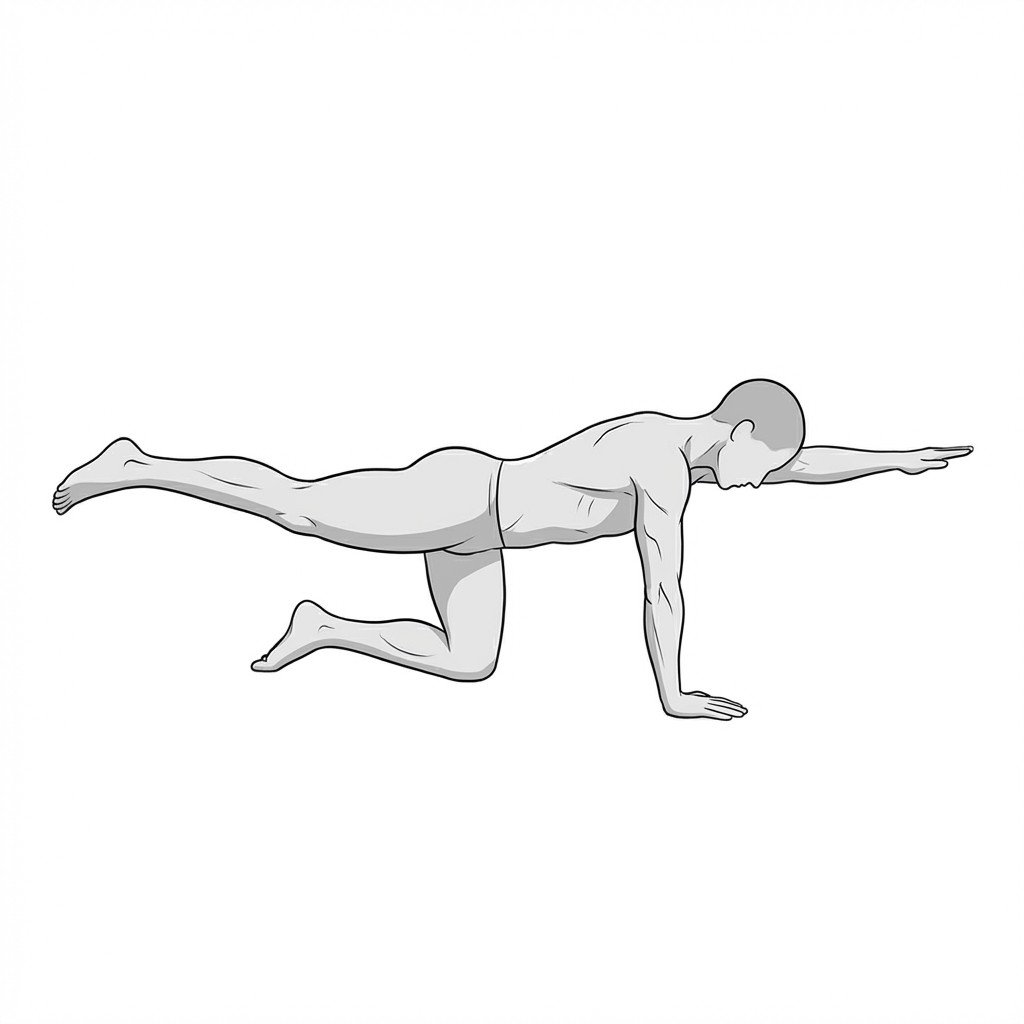
Step-by-Step Instructions
- Select your target region and the most relevant muscle for today's session — focus rather than trying to address the entire body at once.
- Apply gentle thermal therapy first (heat for most muscle pain, 10–15 minutes) to reduce guarding and make self-care more comfortable before touching the tissue.
- Use self-release with a foam roller or tennis ball: moderate pressure, slow movement, pause for 30–60 seconds on any clearly tender area, breathe steadily throughout.
- After release, perform the region-specific stretch — hold 20–30 seconds, 2–3 repetitions, staying at gentle tension rather than forcing range.
- Complete the strengthening or motor-control exercise for the region: typically 2–3 sets of 8–12 reps at a controlled tempo, stopping before form breaks down.
- Note any "do not" items for the muscle region and adjust daily habits accordingly — for example, avoiding prolonged postures or movements that are known aggravating factors.
- Repeat the full protocol 1–2 times daily for light mobility and strengthening work, and review your response over 2–4 weeks before escalating intensity or seeking professional reassessment.
Why It Works
A structured sequence of thermal preparation, targeted self-release, stretching, and strengthening addresses the full cycle of trigger point development — not just one piece in isolation.
Consistent daily repetition of a short, well-targeted home protocol tends to produce better outcomes than occasional aggressive sessions, because the nervous system responds to cumulative, predictable input over time.
Clinical Precautions
Stop any home care strategy that clearly worsens pain, causes numbness, weakness, dizziness, or new neurological symptoms and seek clinical evaluation. Sensitive regions such as the front of the neck, chest, or deep lower abdomen should be treated conservatively and usually require professional guidance rather than direct self-treatment.