Exercise Guide
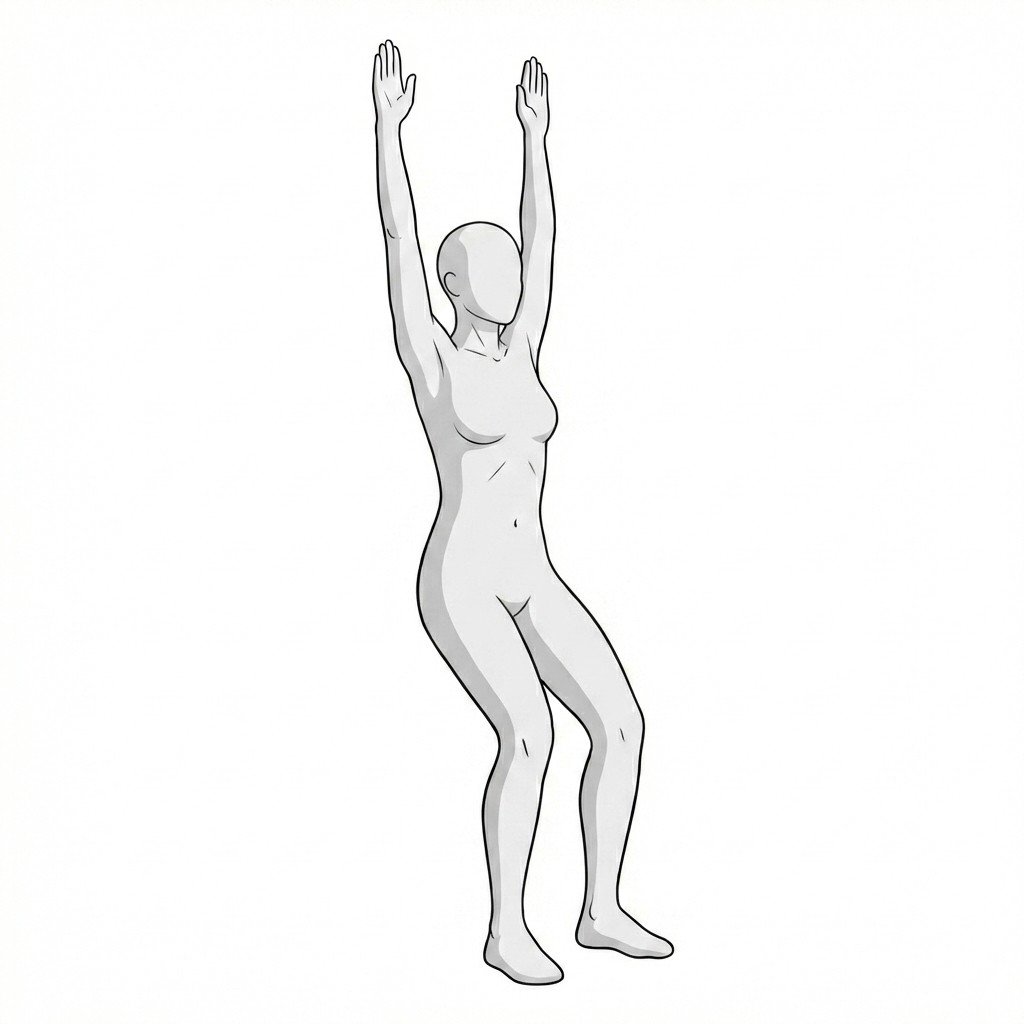
Step-by-Step Instructions
- Recognize the two traps: avoiding all movement leads to deconditioning and lower load tolerance; pushing through escalating pain increases guarding and triggers flares. The goal is the middle path.
- Start Phase 1 (Gentle Movement) with walking, gentle stretching after warm-up, water exercise, or light range-of-motion movements — keeping pain mild and tolerable throughout.
- Use a simple daily minimum: 5 minutes of morning mobility (cat-cow, chin tucks, gentle neck rotations), 5 minutes of midday movement breaks, and 10 minutes of evening wind-down (foam rolling, light yoga, breathing).
- Advance to Phase 2 (Active Recovery) when gentle movement is consistently tolerated — add longer walks, low-intensity cycling, yoga, swimming, or bodyweight exercises.
- Distinguish normal from concerning responses: diffuse muscle aching that settles with movement is expected; sharp focal pain, numbness, or symptoms that leave you clearly worse the next morning are signals to reduce the dose.
- Track progress with three simple data points daily — pain (0–10), exercise done, sleep quality — and review weekly for trends rather than day-to-day fluctuation.
Why It Works
Active trigger points respond best to gentle movement first, then progressive loading later. Starting too aggressively backfires; avoiding movement entirely worsens deconditioning.
Regular gentle exercise improves circulation, reduces stiffness, improves mood and sleep, and builds the load tolerance that makes muscles less vulnerable to everyday demands — all without requiring vigorous training.
Clinical Precautions
Stop exercise immediately if you experience sharp sudden pain, numbness or tingling, chest pain, severe shortness of breath, or dizziness, and seek medical attention. Always consult a healthcare provider before starting an exercise program if you have other medical conditions.