§ 01

About This Page

Emerging Insights

Emerging Insights

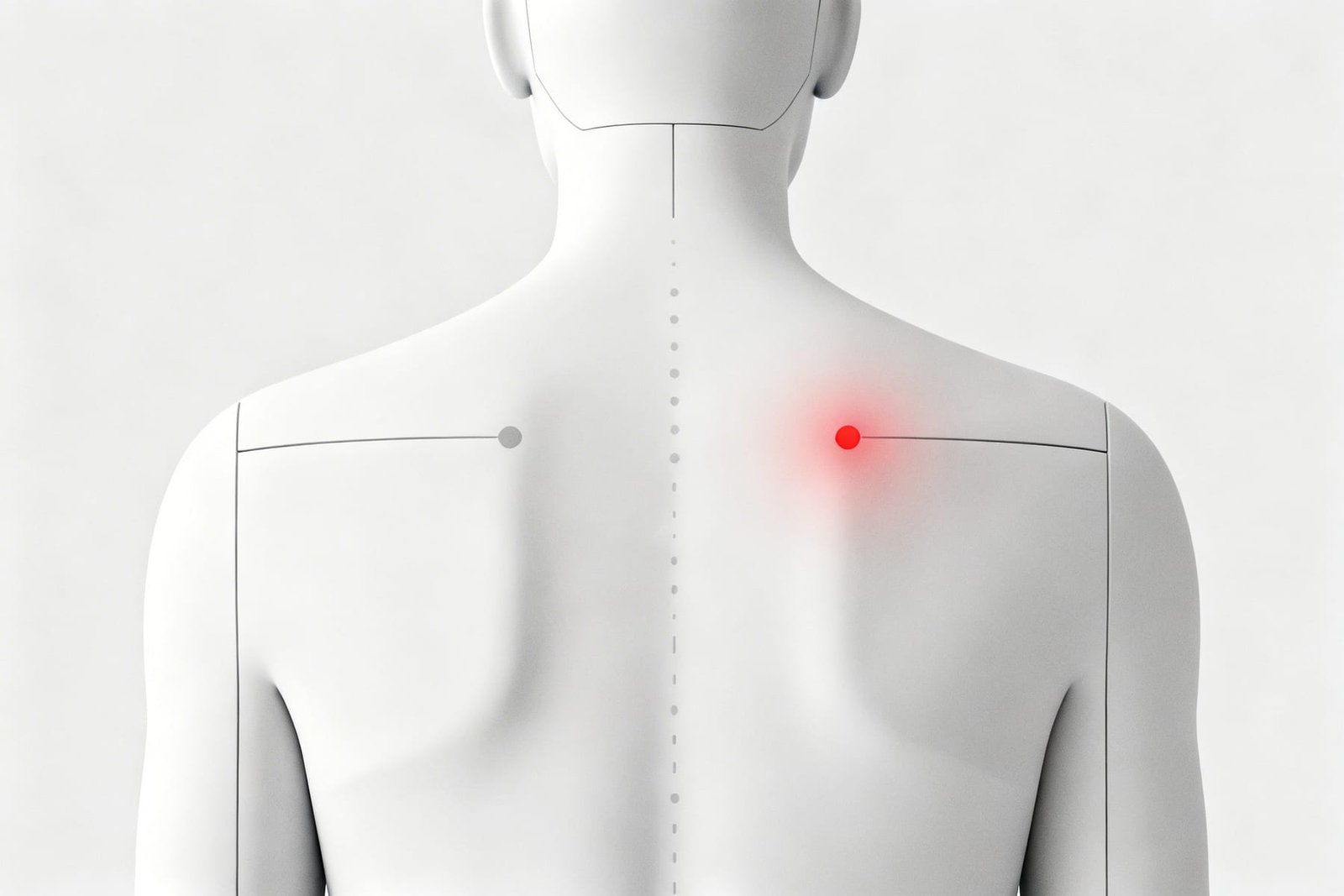
Overview Illustration

This page explores ideas at the frontier of myofascial pain science. Unlike the rest of the Trigger Point Atlas, which aims to present more established clinical knowledge, the content here deliberately moves into areas that are still emerging, contested, incomplete, or only partly tested. These are hypotheses, early research directions, and contrarian perspectives that may eventually prove useful — or may not.

We include this content because intellectual curiosity is part of good clinical thinking. The history of medicine includes ideas that were initially dismissed and later validated, but it also includes many plausible-sounding hypotheses that failed when tested rigorously. The goal of this page is not to persuade you that every contrarian idea is correct. It is to help you think critically about where the field may evolve and where current models may still be incomplete.

Every speculative section on this page is clearly graded using our three-tier Speculation Badge system, so you always know where the idea falls on the evidence spectrum. Engage with these ideas critically, not credulously. Treat them as directions for future inquiry, not as established clinical truths.

§ 02

The Peripheral-Central Continuum

Early Evidence

The traditional model of myofascial pain syndrome treats trigger points as a fundamentally peripheral phenomenon — a localized dysfunction in skeletal muscle involving motor endplate abnormalities, local ischemia, and a pro-nociceptive biochemical milieu. That model has clear clinical value and has informed decades of successful treatment. But in chronic cases, it is probably incomplete.

Emerging research is shifting our understanding of trigger points away from a simple "muscle knot" model and toward a more complex neuromuscular, fascial, and pain-processing framework.

Central sensitization overlap:

A growing body of research suggests that chronic myofascial pain often involves central nervous system changes alongside peripheral trigger point activity. In longer-duration pain states, dorsal horn neurons and broader pain-processing systems may become more excitable, receptive fields may enlarge, and pain inhibition may become less efficient. The result can include allodynia, hyperalgesia, and pain spreading beyond the original local trigger point region. This helps explain why some chronic patients present with sensitivity that cannot be explained by a single muscle lesion alone.

The nociplastic pain concept:

The International Association for the Study of Pain (IASP) introduced the term "nociplastic pain" in 2017 to describe pain arising from altered nociception despite no clear evidence of ongoing tissue damage sufficient to explain the severity of pain, and without a definable lesion of the somatosensory system. Some researchers now argue that chronic myofascial pain — especially when accompanied by widespread pain, heightened sensitivity, sleep disruption, and fibromyalgia-like features — may overlap meaningfully with nociplastic pain states. This does not make myofascial pain "not real" or "not peripheral"; it means the classification may be more mixed than older models assumed.

Why the "trigger point" may be a peripheral entry point to a central problem:

An emerging model is that the trigger point functions as an ongoing peripheral nociceptive generator that, if sustained over time, can help drive central neuroplastic changes. In earlier-stage myofascial pain, peripheral treatment may be sufficient. In more chronic cases, central amplification may persist even after a local trigger point is partly treated, which may help explain recurrence, incomplete relief, or shifting pain patterns.

Evidence from neuroimaging studies showing CNS changes:

Small neuroimaging studies in chronic myofascial pain populations have reported altered connectivity and activation patterns in pain-related brain regions including the insula, anterior cingulate cortex, thalamus, and prefrontal areas. These findings are not yet large or uniform enough to define a single imaging signature of myofascial pain, but they do support the view that chronic myofascial pain is more than a simple local muscle problem.

Clinical implications:

If myofascial pain exists on a peripheral-central continuum, treatment should often span that continuum as well. More acute and localized cases may respond largely to peripheral treatments such as dry needling, manual therapy, injection, and stretching. More chronic cases with widespread sensitivity, poor sleep, emotional distress, and central sensitization markers may need a mixed strategy that includes both peripheral treatment and centrally oriented care such as pain neuroscience education, graded exposure, psychological treatment, and sometimes centrally acting medication.
§ 03

The Fascial System Revolution

Early Evidence
Fascial Innervation

Fascial Innervation

Dense Sensory Networks in Deep Fascia

For much of the twentieth century, fascia received far less attention than muscle, nerve, and joint structures. That has changed substantially. Fascia is now being studied as a biologically active, sensory, and mechanically important tissue, and this shift may have major implications for how we understand "myofascial" pain.

Fascial innervation — the Stecco research:

Work from Carla Stecco and colleagues, along with other fascia researchers such as Robert Schleip, Helene Langevin, and Thomas Findley, has helped establish that deep fascia is richly innervated. In some regions, studies suggest dense distributions of free nerve endings, mechanoreceptors, and nociceptive fibers. Substance P, CGRP, and NGF-related inflammatory changes have also been described in fascial tissue. This supports the idea that fascia can contribute to pain generation directly rather than serving only as passive wrapping around muscle.

Fascial stiffness and hydration:

Healthy fascia appears to depend on adequate hydration, tissue sliding, and normal viscosity between layers. Some researchers propose that altered hyaluronic acid behavior, reduced shear, or fascial densification may contribute to stiffness and pain. Ultrasound elastography studies have reported increased fascial stiffness or reduced gliding in some chronic pain populations, especially around the thoracolumbar fascia. These findings are promising, but they should not yet be treated as a complete explanatory model for all trigger point presentations.

Myofascial force transmission:

Another important area of research is lateral or myofascial force transmission — the idea that muscles do not transfer force only through tendon, but also through adjacent fascia and connected structures. This may help explain why dysfunction in one region can influence pain or movement patterns elsewhere. The exact magnitude of this effect varies across models and tissues, but the general principle is increasingly supported biomechanically.

Why fascial manipulation may work through different mechanisms than assumed:

If fascia contributes directly to nociception, stiffness, and sensory distortion, then fascial-targeted treatment may work through mechanisms that are not identical to classic trigger point treatment. Techniques such as fascial manipulation, instrument-assisted work, myofascial release, or foam rolling may influence tissue sliding, sensory input, local stiffness, and pain modulation rather than merely "breaking adhesions" or "releasing knots."

The fascia as a sensory organ:

A particularly important implication of fascia research is that fascia may contribute to proprioception as well as pain. If fascial dysfunction alters sensory signaling, that could help explain the movement uncertainty, postural changes, and impaired body awareness seen in some chronic myofascial pain patients. This also gives more credibility to prevention strategies based on movement variation, hydration, and avoiding prolonged immobility.
Fascia vs. Muscle: Innervation Density Comparison
Deep FasciaUnderlying Muscle

Free nerve endings

Often high density
Moderate density

Nociceptors (pain)

May exceed muscle in some regions
Present throughout

Proprioceptors

Rich (Ruffini, Pacini)
Muscle spindles, GTOs

Substance P

Present
Present

CGRP

Present
Present at variable levels

Nerve Growth Factor

Present in inflammation
§ 04

AI-Guided Trigger Point Mapping

Theoretical

Current trigger point diagnosis still relies heavily on manual palpation. Skilled clinicians can be very useful diagnosticians, but the method has known limitations: inter-rater reliability is only modest in many studies, deep muscles are difficult to assess, and severity cannot be quantified objectively with much confidence. There is still no accepted biomarker or imaging gold standard for trigger points.

Pattern recognition from pain maps and posture data:

Machine learning may eventually help identify clinically useful patterns in pain drawings, posture images, movement data, symptom histories, and examination findings. In theory, algorithms trained on sufficiently large, well-labeled datasets could estimate the most likely trigger point sources for a given pain pattern or highlight probable overlapping contributors that humans often miss in complex cases.

Why static charts may eventually become less central:

Travell and Simons charts remain clinically influential, but they represent generalized referral patterns rather than personalized ones. A future machine-learning system might generate individualized referral probability maps instead of one static diagram per muscle. That idea is compelling, but it depends on collecting far more standardized and clinically trustworthy data than currently exists.

Machine learning on referred pain patterns:

One plausible near-term use case is decision support rather than autonomous diagnosis. Given a patient’s self-reported pain pattern and a set of clinical variables, an algorithm might produce a ranked list of likely trigger point sources or help prioritize examination targets. Used well, that could augment clinical judgment. Used badly, it could simply automate bad assumptions from poor training data.

Wearable sensors and EMG:

Wearable EMG, accelerometers, and posture sensors may eventually help identify sustained low-level contraction, asymmetry, or movement habits that perpetuate trigger point activity. These tools could be useful for prevention, self-monitoring, and ergonomic feedback, especially in desk-related pain. But current consumer-grade tools are still far from validated trigger point diagnostics.

How Trigger Point Atlas fits into this future:

This application is better understood as an early step toward more personalized trigger point education and symptom tracking rather than as a true AI diagnostic system. Over time, structured symptom data, pain maps, and longitudinal tracking may help support more individualized guidance — but only if that data is collected and interpreted carefully.

Barriers and realistic timeline:

The main barriers are substantial: the field lacks large standardized datasets, clinical labels are imperfect, validation targets are weak, regulatory pathways are demanding, and privacy issues become serious once wearables and continuous monitoring are involved. Simpler support tools may arrive in the near term, but truly reliable AI-guided trigger point diagnostics are probably still years away.
§ 05

The Microbiome-Pain Connection

Highly Speculative
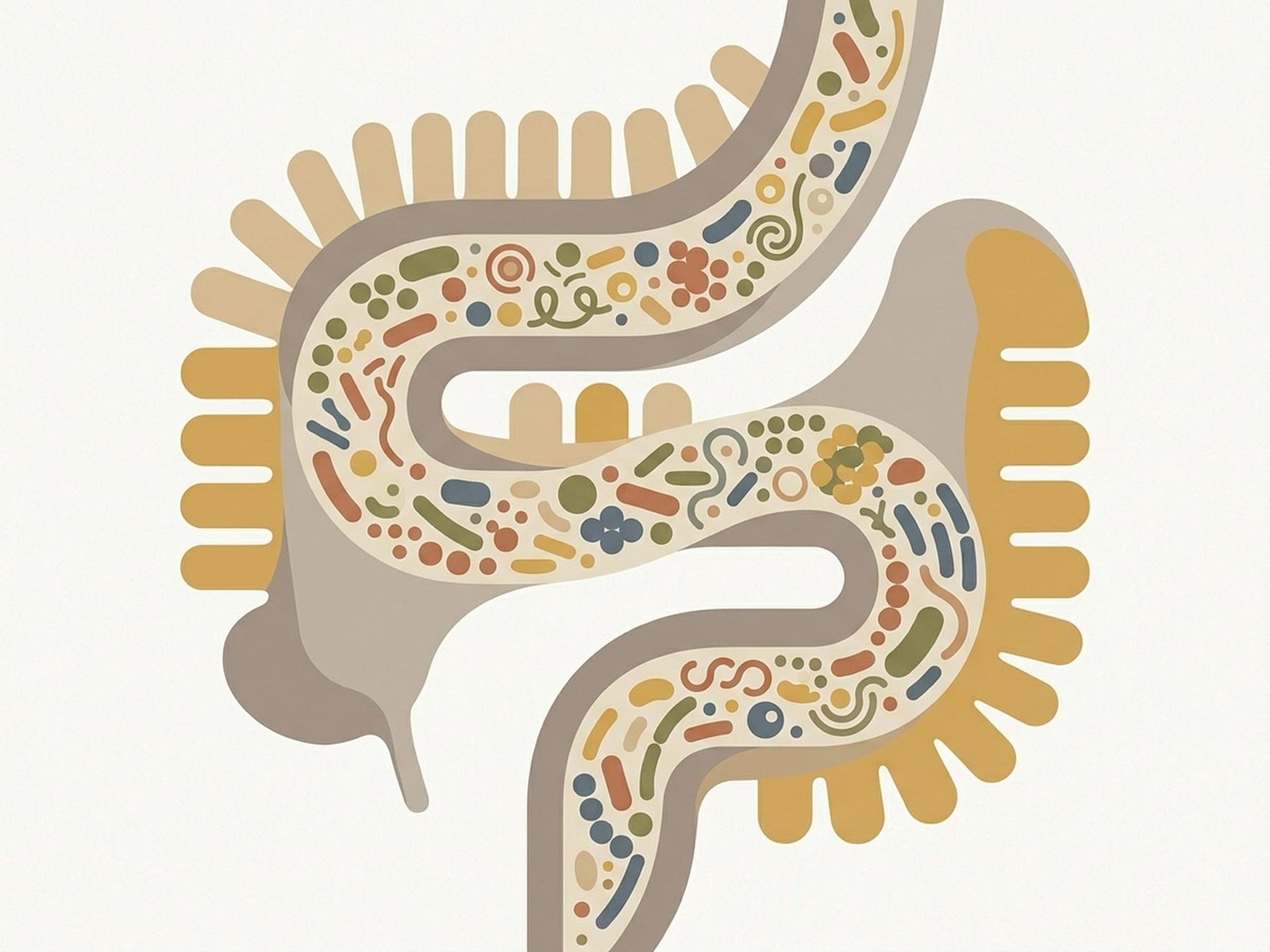
Gut-Brain-Muscle Axis

Gut-Brain-Muscle Axis

Microbiome Pathways to Myofascial Pain

This section explores one of the most speculative frontiers in pain science: the possibility that the gut microbiome influences myofascial pain through systemic inflammatory and neuroimmune pathways. We mark this as "highly speculative" because the specific connection to trigger points is indirect and has not been validated in myofascial pain populations.

The gut-brain-muscle axis hypothesis:

The gut microbiome is increasingly recognized as a regulator of systemic inflammation, immune signaling, and nervous-system function through what is broadly called the gut-brain axis. A speculative extension is the "gut-brain-muscle" axis, in which microbiome changes influence pain sensitivity, inflammation, autonomic tone, or recovery in skeletal muscle. This is conceptually plausible, but not established for trigger point biology.

Inflammatory mediators from gut dysbiosis:

One proposed mechanism is that dysbiosis and increased intestinal permeability may permit greater systemic inflammatory signaling, including exposure to bacterial products such as lipopolysaccharide. This in turn could influence cytokine production and nociceptor sensitization. Because active trigger points also show a pro-inflammatory biochemical milieu in local microdialysis studies, some researchers and clinicians suspect a possible systemic-peripheral interaction. At present, that remains hypothesis rather than proof.

Why some myofascial pain patients improve with dietary changes:

Some clinicians report that a subset of patients describe improvement after changing diet, reducing highly processed foods, addressing gastrointestinal disease, or treating nutritional deficiencies. Those observations are real enough to be interesting, but they are also highly confounded by weight loss, sleep improvement, reduced alcohol intake, placebo effects, better overall self-care, and regression to the mean. The gut-microbiome explanation is only one of several possible interpretations.

Systemic inflammation as a perpetuating factor:

Travell and Simons described systemic "perpetuating factors" that may keep trigger points active despite local treatment. It is reasonable to ask whether chronic low-grade inflammation from gut-related mechanisms could act as one such factor in some patients. That idea is plausible, but still untested in a way that supports clinical certainty.

Emerging research on probiotics and pain modulation:

A small body of research suggests that probiotics, diet, and microbiome-directed interventions may influence pain in some conditions such as IBS or fibromyalgia. Minerbi and colleagues reported altered gut microbiome composition in fibromyalgia, which makes the idea more interesting for overlapping chronic pain states. However, there are no convincing trials showing that probiotic or microbiome interventions improve trigger point outcomes specifically.
§ 06

Psychoneuroimmunology of myofascial pain
Early Evidence
Psychoneuroimmunology

Psychoneuroimmunology

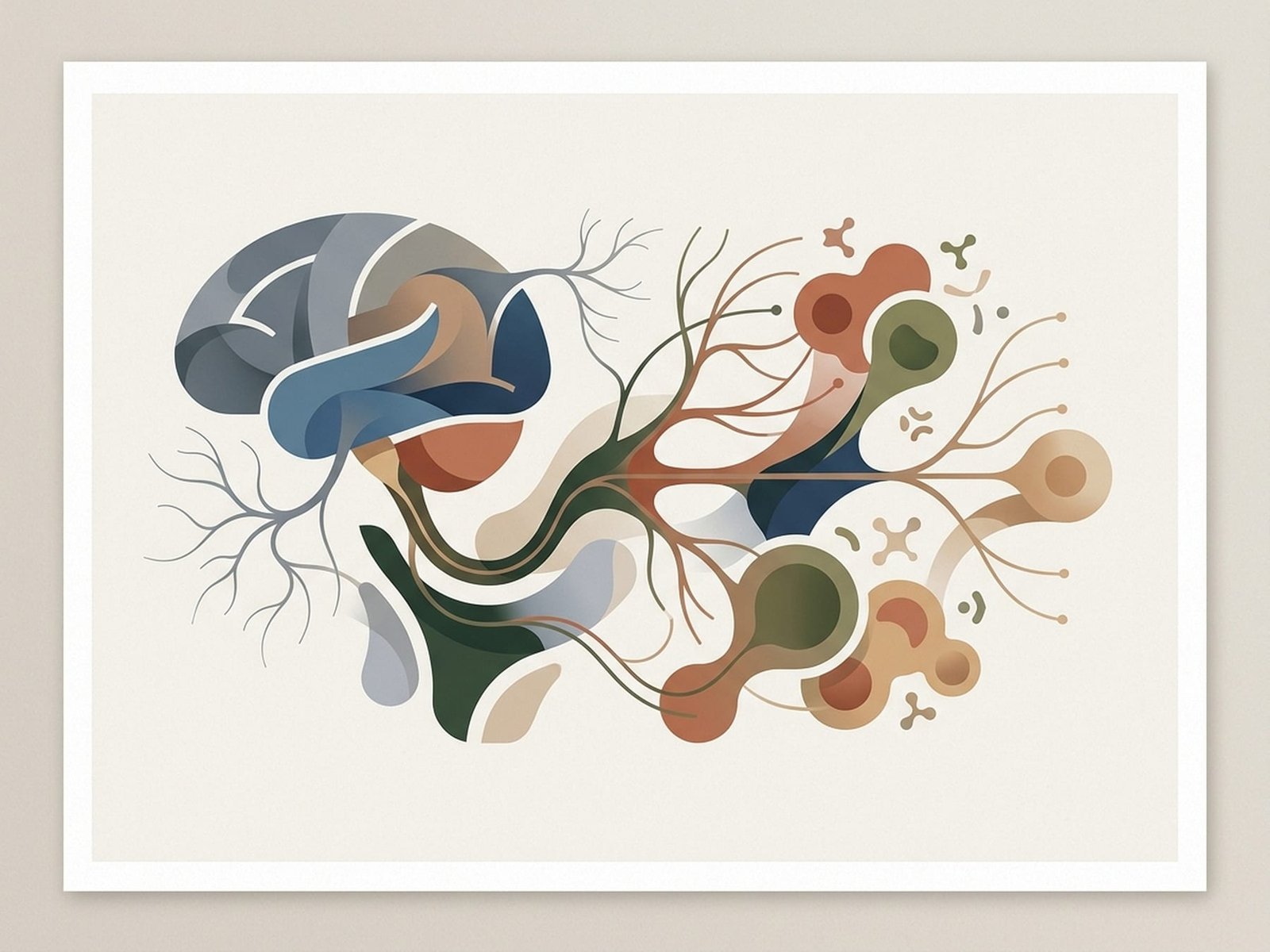
Stress-Immune-Pain Loop Diagram

Psychoneuroimmunology (PNI) studies how psychological processes, the nervous system, and the immune system interact bidirectionally. For myofascial pain, PNI provides a biologically serious framework for understanding why stress, emotional load, poor sleep, and pain often worsen together rather than operating as separate problems.

Stress-immune-pain loops with evidence:

Psychological stress activates the hypothalamic-pituitary-adrenal (HPA) axis and the sympathetic nervous system. Acute stress responses may transiently suppress pain or inflammation, but chronic stress is associated with dysregulated cortisol signaling, autonomic imbalance, sleep disruption, and low-grade inflammatory activation. These same processes may contribute to higher muscle tone, lower pain thresholds, and greater trigger point irritability in susceptible patients.

Why CBT may work at a biological level:

Cognitive Behavioral Therapy (CBT) is one of the most evidence-based psychological treatments in chronic pain. Some studies suggest that effective psychological treatment may also be associated with measurable biological changes, including altered inflammatory markers, improved autonomic balance, and healthier HPA-axis regulation. These findings are promising, though not every study shows the same biomarkers changing in the same way. The broader point remains important: psychological treatment can have physiological consequences, not just subjective ones.

HPA axis dysregulation in chronic pain:

Chronic pain populations often show altered HPA-axis function, although the exact pattern varies. Some patients show elevated stress hormone output, others show blunted reactivity, and many show disrupted daily cortisol rhythms. These patterns may contribute to poor sleep, impaired recovery, immune dysregulation, and reduced pain inhibition — all relevant to chronic myofascial pain.

Inflammatory cytokine profiles in chronic myofascial pain:

Microdialysis studies of active trigger points show elevated concentrations of pain-related and inflammatory substances compared with normal muscle tissue. PNI adds the idea that the systemic inflammatory and stress environment may help maintain that local chemical milieu, rather than trigger points being driven purely by isolated local muscle dysfunction. This is a useful integrative model, even if the exact systemic-to-local pathway is not fully mapped.

Practical implications for myofascial pain treatment:

PNI supports a genuinely integrated approach to chronic myofascial pain. Stress regulation, psychological treatment, sleep optimization, exercise, social support, and treatment of depression or anxiety are not merely "adjuncts" to physical care in chronic cases — they may directly influence the neuroimmune and autonomic processes that help maintain pain. That does not replace local trigger point treatment. It broadens the model of what meaningful treatment needs to include.
§ 07

Key Milestones in Myofascial Pain Research

A timeline of discoveries shaping how trigger points, fascia, and chronic pain are currently understood

1983

Travell & Simons publish the first Trigger Point Manual, helping establish the modern clinical framework for myofascial pain diagnosis

1993

Hubbard & Berkoff report spontaneous EMG activity at trigger points, proposing sympathetic nervous system involvement via intrafusal muscle spindle activation

2005

Shah and colleagues begin microdialysis studies describing the acidic, inflammatory biochemical milieu at active trigger points

2007

The first International Fascia Research Congress is held at Harvard Medical School, accelerating fascia-focused research; the Stecco team also publishes early histological work suggesting dense innervation in deep fascia around this period

2017

IASP introduces the term "nociplastic pain," expanding the framework for chronic pain classification

2019

Minerbi and colleagues report altered gut microbiome composition in fibromyalgia, helping open the microbiome-pain research frontier

2020s

Advanced imaging, elastography, fMRI, and early AI applications begin to converge on more objective pain-pattern analysis
§ 08

Speculation Grading System

Transparency is a core value of the Trigger Point Atlas. Speculative content can be intellectually valuable when it is clearly labeled. Our three-tier grading system helps distinguish between ideas with preliminary support and ideas that remain mostly theoretical or highly speculative.

Early Evidence

Early Evidence
Supported by preliminary peer-reviewed research, but not yet at the level of broad consensus or guideline inclusion. These ideas have some direct supporting studies, often observational, pilot, or mechanistic, but still need larger and more rigorous validation. On this page, the peripheral-central continuum, fascia research, and psychoneuroimmunology sections fit best here.

Theoretical

Theoretical
Logically derived from established science but not directly tested in the myofascial pain domain. These ideas are intellectually plausible and worth watching, but their specific translation to trigger point care remains unproven. On this page, AI-guided trigger point mapping fits best here.

Highly Speculative

Highly Speculative
Interesting and potentially important, but minimally validated for myofascial pain specifically. These ideas are included to stimulate thoughtful inquiry, not to support clinical decision-making. On this page, the microbiome-pain section fits best here.
Key Takeaways
  1. Myofascial pain science is still developing, and some current clinical models will likely be refined as imaging, physiology, and mechanistic research improve.

  2. The neat division between "peripheral" and "central" pain is becoming less useful in chronic cases — trigger points may sit on a peripheral-central continuum where local tissue dysfunction and central nervous system sensitization interact bidirectionally.

  3. Fascia is increasingly being studied as an important sensory and biomechanical tissue, and in some regions it may contribute more to pain generation than older muscle-only models assumed.

  4. AI-assisted diagnostic tools may eventually improve trigger point mapping, though the timeline and real-world usefulness remain uncertain and depend on much better training data than currently exists.

  5. The gut-brain-muscle axis is an intriguing but highly speculative line of inquiry — systemic inflammation, microbiome changes, and pain sensitivity may overlap in some patients, but a direct trigger-point model has not been established.

  6. Psychoneuroimmunology offers a biologically serious framework for understanding stress-pain interactions — psychological stress, immune signaling, autonomic tone, and pain modulation are linked through measurable pathways.

  7. Everything on this page should be treated as intellectually useful but clinically provisional — it is not a basis for changing treatment without individualized clinical judgment.

  8. The most important quality in frontier medical science is intellectual humility: being willing to update models when better evidence arrives, including evidence that challenges current practice.

These summaries capture the major themes of the page. Hold them provisionally. They describe where the field may be moving, not where the evidence has fully settled.

The value of intellectual humility:At the frontier of science, uncertainty is not a weakness — it is the normal condition. Some ideas on this page will likely mature into accepted models; others will fade. The best takeaway is not certainty about any one hypothesis, but the habit of thinking critically and revising beliefs when stronger evidence appears.

§ 09

Continue Exploring