Shared Neurobiology — Not Just Comorbidities
Depression Anxiety MPS
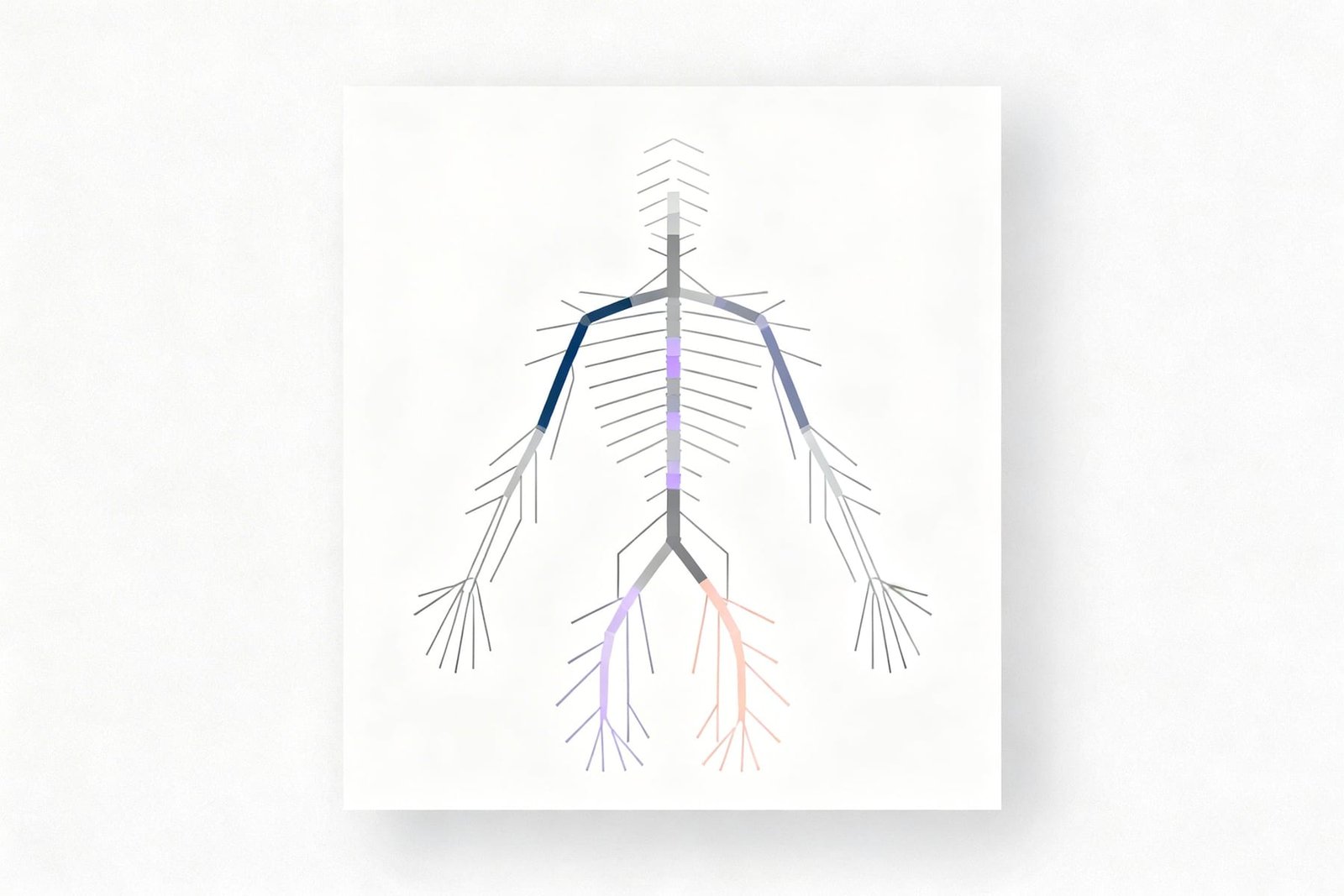
Shared Neurobiology DiagramDepression, anxiety, and myofascial pain syndrome often overlap because they share several biological and behavioral pathways. The same serotonin and norepinephrine systems involved in mood regulation are also important for descending pain inhibition — the brainstem-based network that helps filter and dampen incoming pain signals. When these systems are dysregulated, patients may experience both worse mood and worse pain modulation.
The HPA (hypothalamic-pituitary-adrenal) axis is the body’s central stress-response system, and chronic activation is common in anxiety disorders, depression, and persistent pain. Sustained stress physiology may impair sleep, increase sympathetic drive, influence immune signaling, and contribute to lower pain thresholds. At the muscular level, prolonged arousal can also maintain guarding and tension patterns that make trigger points more likely to persist.
The amygdala and related threat-detection circuits are often more reactive in anxiety states. This can increase vigilance toward bodily sensations and intensify the emotional salience of pain. The result is a familiar fear-pain loop: anxiety increases attention to pain, pain increases fear, and the cycle reinforces itself over time.
Depression can also reduce the patient’s ability to regulate pain through attention, reappraisal, motivation, movement, and daily structure. This is one reason chronic pain and depression often deepen each other. It does not mean the pain is “caused by mood” in a simplistic sense — it means the same nervous system is carrying both burdens.
How Stress Activates Trigger Points
Psychological stress does not just affect mood — it also influences posture, breathing, muscle tension, and pain sensitivity. Some muscles are especially likely to become reactive in this context and contribute to the familiar pain patterns seen in anxious or depressed patients.
HPA Axis and Limbic System
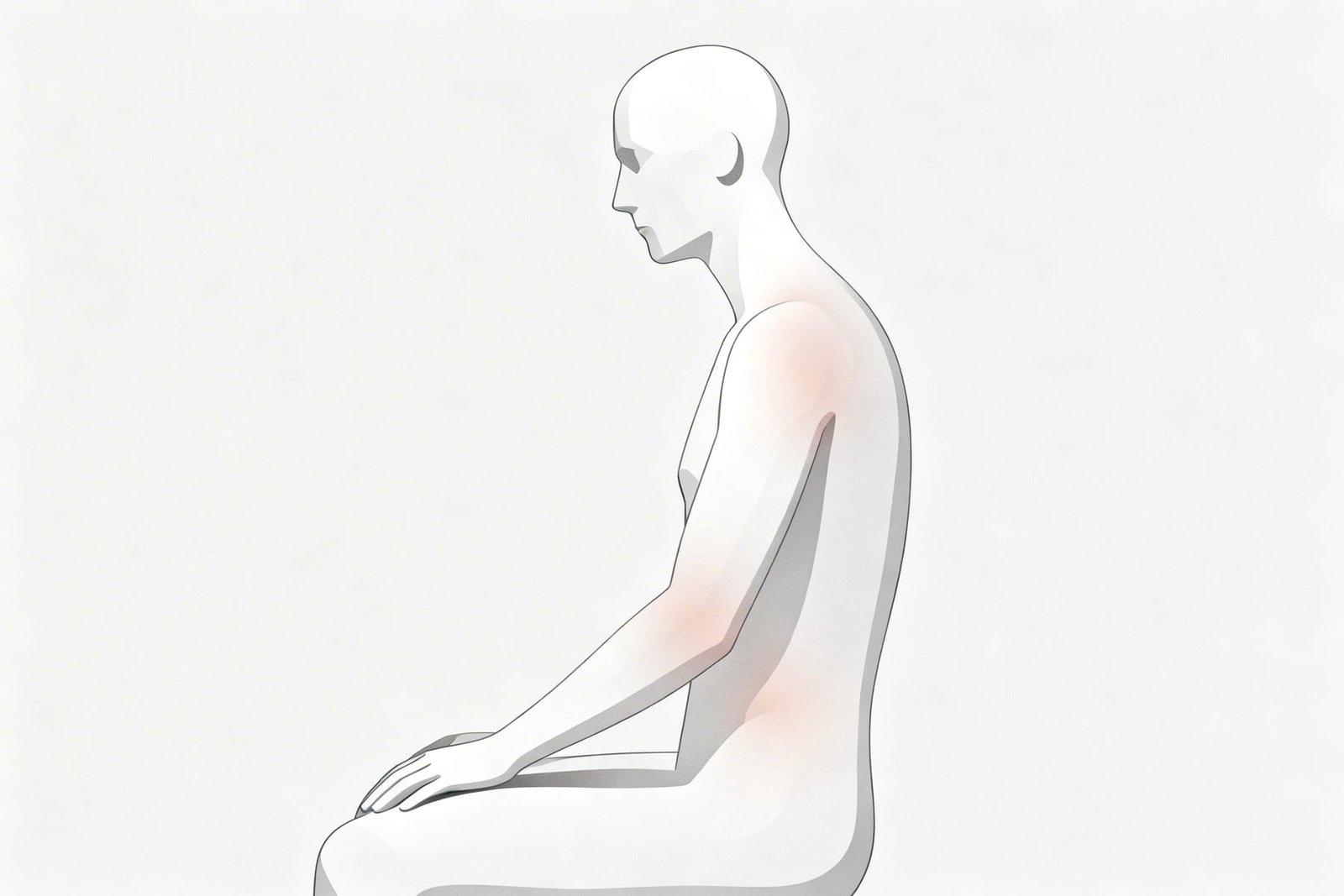
Chronic Pain Stress ResponseThe upper trapezius commonly becomes more active during psychological stress, threat anticipation, and prolonged mental tension. In some patients, chronic anxiety and elevated muscle guarding contribute to sustained low-grade contraction, trigger point activity, and pain referral into the neck, shoulder, and lateral head. This helps explain why neck tension and tension-type headache often worsen during periods of emotional stress.
The masseter is strongly influenced by emotional state, especially anxiety, jaw clenching, and nocturnal bruxism. Many patients clench during the day without noticing it and grind their teeth at night. Masseter trigger points can refer pain into the jaw, temple, cheek, and teeth, sometimes overlapping with dental pain or TMJ-related complaints. When anxiety-driven clenching is part of the pattern, physical treatment alone may provide only partial or temporary relief unless the behavioral cycle is also addressed.
The psoas is often discussed as a muscle influenced by chronic guarding, protective posture, and prolonged stress states. In some patients with anxiety, low mood, or prolonged inactivity, it may remain relatively overactive, contributing to hip flexor tension, lumbar discomfort, and anterior hip or groin pain. Psoas-related trigger points may also refer to the low back and inner thigh. Movement-based relaxation, graded mobility, and broader nervous-system down-regulation can all be relevant here.
Chronic anxiety and vigilance can contribute to a forward-head or guarded upper-quarter posture. This places sustained eccentric load on the SCM, which may develop trigger points referring to the temple, face, eye, and inner ear region. SCM-related symptoms can include headache, facial pain, dizziness-like sensations, and ear discomfort, which is one reason patients may see neurology or ENT before a cervical myofascial source is considered.
Shared Neurotransmitters
Serotonin and norepinephrine influence both mood and descending pain modulation
Stress Physiology
Chronic stress can worsen sleep, muscle tension, sympathetic arousal, and pain sensitivity
Neuroinflammatory Signaling
Persistent pain and low mood may both involve altered inflammatory and immune signaling
Fear-Avoidance Cycle
Pain-related fear can drive inactivity, deconditioning, and worsening disability over time
Pain Amplification Mechanisms
Depression may lower pain tolerance through several pathways at once: poorer sleep, lower physical activity, reduced positive reinforcement, altered descending pain inhibition, and greater attention to symptoms. The result is that a patient may experience more pain and disability from the same musculoskeletal input than someone with the same tissue findings but better overall regulation.
Anxiety often increases hypervigilance, somatic amplification, and fear-avoidance. Patients may interpret normal tension, movement sensations, or temporary symptom flares as signs of damage, which can drive further guarding and reduced activity. Catastrophizing and kinesiophobia are especially relevant here because they are linked to worse pain coping and poorer functional outcomes.
Some of the most useful pain treatment begins when the patient understands that mood, fear, sleep, and muscle pain are interacting — not competing explanations.
Clinically Meaningful
Routine Screening Helps
Integrated Treatment
Screening & Assessment
Psychological screening can improve MPS assessment because depression, anxiety, catastrophizing, and fear of movement often influence treatment response. These tools do not replace clinical judgment, but they help identify barriers that hands-on examination alone will miss.
PHQ-9
GAD-7
Pain Catastrophizing Scale
Tampa Scale of Kinesiophobia
Integrated Treatment Approach
An integrated biopsychosocial approach does not mean shifting away from physical pain treatment. It means recognizing that the brain, nervous system, behavior, and musculoskeletal system are part of the same clinical picture. In persistent MPS, this usually produces a more realistic and effective treatment plan.
Integrated Mental Health and Pain Management
Treatment PathwaysPain Neuroscience Education
Explaining the neuroscience of pain — including central sensitization, nervous-system amplification, and the interaction between stress, mood, and pain processing — can itself be therapeutic. Reframing pain from a pure tissue-damage signal to a nervous-system output often reduces fear, threat interpretation, and avoidance when done carefully and credibly.
- Explain central sensitization: the nervous system may be more reactive, even when tissue damage alone does not explain symptom severity
- Teach the biopsychosocial model: pain is influenced by biology, thoughts, emotions, behavior, and social context together
- Address pain beliefs: challenge catastrophic or helpless interpretations without dismissing the pain itself
- Use metaphors carefully: the “volume dial,” “overprotective alarm system,” or “sensitive smoke detector” can help
- Recommend reputable reading or educational material when the patient is interested and able to engage with it
Psychological Therapy
Several evidence-based psychological therapies may help when MPS coexists with depression, anxiety, trauma-related symptoms, catastrophizing, or avoidance. These approaches do not replace physical treatment; they improve how the patient responds to pain, stress, and rehabilitation.
- CBT for pain: helps identify and modify catastrophic thinking, helplessness, and fear-driven behavior
- ACT: emphasizes psychological flexibility, values-based action, and reduced struggle with symptoms
- Pain Reprocessing Therapy (PRT): a newer approach aimed mainly at centrally amplified pain patterns; promising, but not yet universal standard care
- EMDR: may be appropriate in selected patients when trauma history and persistent nervous-system dysregulation are relevant
- Mindfulness-Based Stress Reduction (MBSR): structured mindfulness programs may improve distress, coping, and pain-related suffering in some patients
Pharmacological Support
Medication is best understood as one component of an integrated treatment plan rather than a stand-alone answer. In patients with MPS and comorbid depression or anxiety, some medications may help both mood-related symptoms and pain modulation pathways.
- SNRIs such as duloxetine or venlafaxine are often considered when persistent pain and mood symptoms overlap
- Low-dose TCAs such as amitriptyline may help sleep, pain sensitivity, and centrally amplified pain in selected patients
- Long-term opioid therapy is generally a poor fit for chronic MPS, especially when depression, anxiety, or central sensitization are prominent
- Treat sleep disturbance actively: poor sleep can worsen pain, mood, and recovery simultaneously
- Consider nutritional issues such as vitamin D, magnesium, iron, or B12 deficiency when clinically relevant rather than assuming they are always causal
Physical Rehabilitation
Physical treatment remains essential, but it usually works better when delivered within a biopsychosocial framework. Graded exposure and movement-based rehabilitation help address both trigger points and the fear, inactivity, and deconditioning that often accompany depression and anxiety.
- Graded exposure: begin with movements the patient fears least and progress systematically
- Aerobic exercise: strong evidence supports its role in chronic pain, mood symptoms, and overall nervous-system regulation
- Trigger point treatment: manual therapy, dry needling, stretching, and load modification are often most effective when paired with education
- Yoga, breathing work, and somatic movement may help selected patients with body awareness and stress regulation
- Pacing and activity scheduling can help patients caught in depression-related inactivity or anxiety-driven boom-bust cycles
Warning Signs Requiring Urgent Mental Health Support
When chronic pain overlaps with depression and anxiety, some presentations need faster mental health escalation rather than routine follow-up. These warning signs should be taken seriously and addressed directly.
Depression, anxiety, and MPS are not merely adjacent problems. They often share overlapping circuits involving stress physiology, descending pain modulation, sleep disruption, and altered threat processing.
Psychological screening tools such as the PHQ-9, GAD-7, PCS, and TSK can meaningfully improve treatment planning in MPS because mood symptoms, catastrophizing, and fear-avoidance often shape outcomes as much as local tissue findings do.
SNRIs and low-dose TCAs may help some MPS patients not only because they affect mood, but because they also influence pain-modulation pathways.
Pain Neuroscience Education can be clinically useful in its own right when it reduces fear, confusion, and the sense that pain always equals damage.
Aerobic exercise is one of the few interventions that can simultaneously support pain modulation, sleep, mood, and physical conditioning, which is why it remains central in integrated care.