What Is Cupping Therapy?
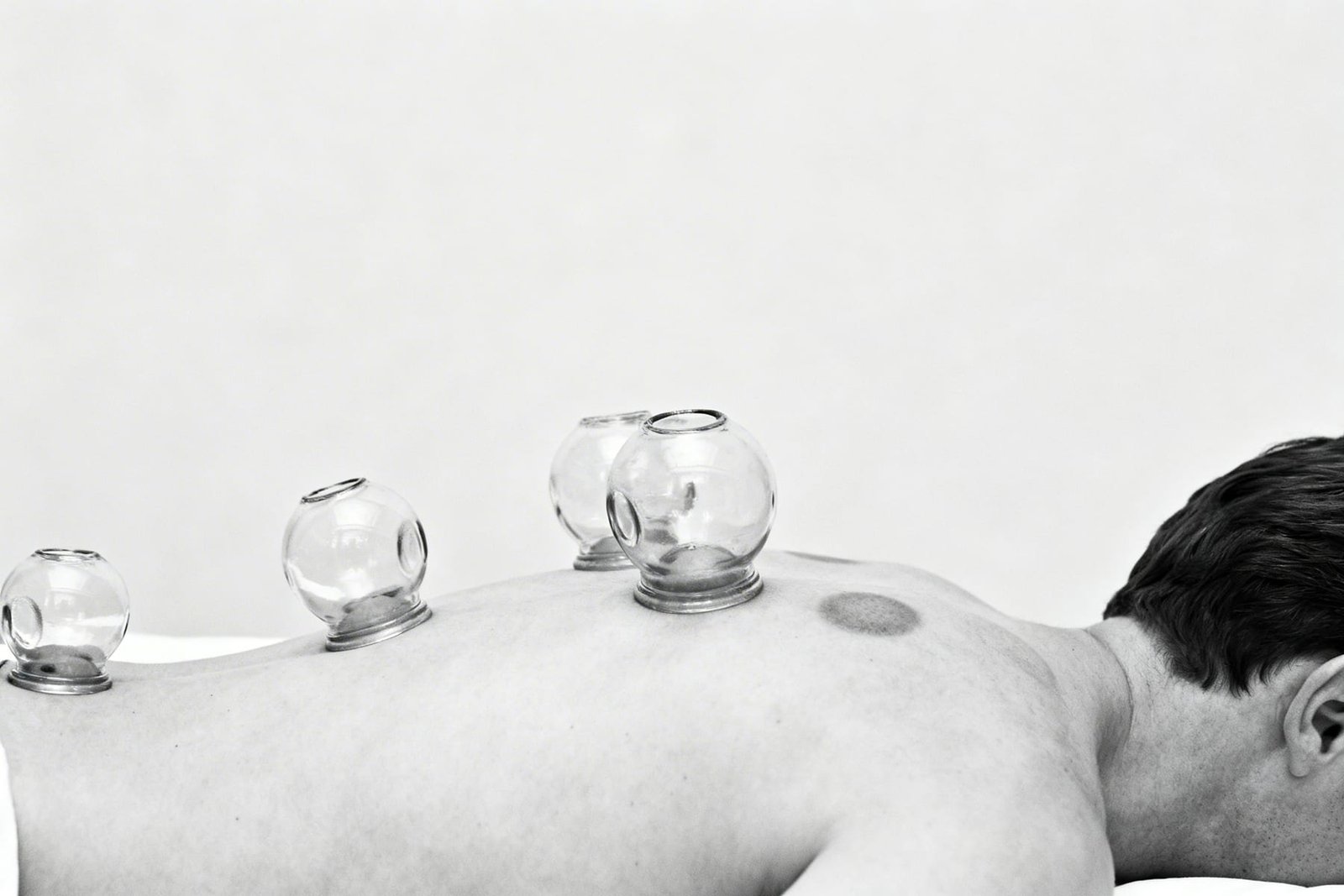
Cupping Therapy Application Back Treatment
Cupping is a manual therapy that uses suction cups to create negative pressure on the skin and underlying soft tissue. Unlike techniques that mainly compress tissue, cupping applies a decompressive load to the surface and may alter how the skin, fascia, and superficial muscle layers move relative to one another.
Proposed mechanisms include temporary increases in superficial blood flow, changes in local tissue glide, mechanoreceptor stimulation, and short-term pain modulation. These mechanisms are plausible, but no single explanation fully accounts for every clinical response.
Cupping has a long history across several traditional medicine systems. In modern musculoskeletal care, it is usually framed as an adjunctive soft-tissue technique rather than a stand-alone treatment philosophy.
Its visibility increased in sports medicine after high-profile athletes were seen with cupping marks. Since then, research activity has increased, although study quality remains mixed and protocols vary substantially.
Types of Cupping
Each cupping modality creates a somewhat different clinical effect. Choice depends on region, treatment goal, skin tolerance, and patient preference.
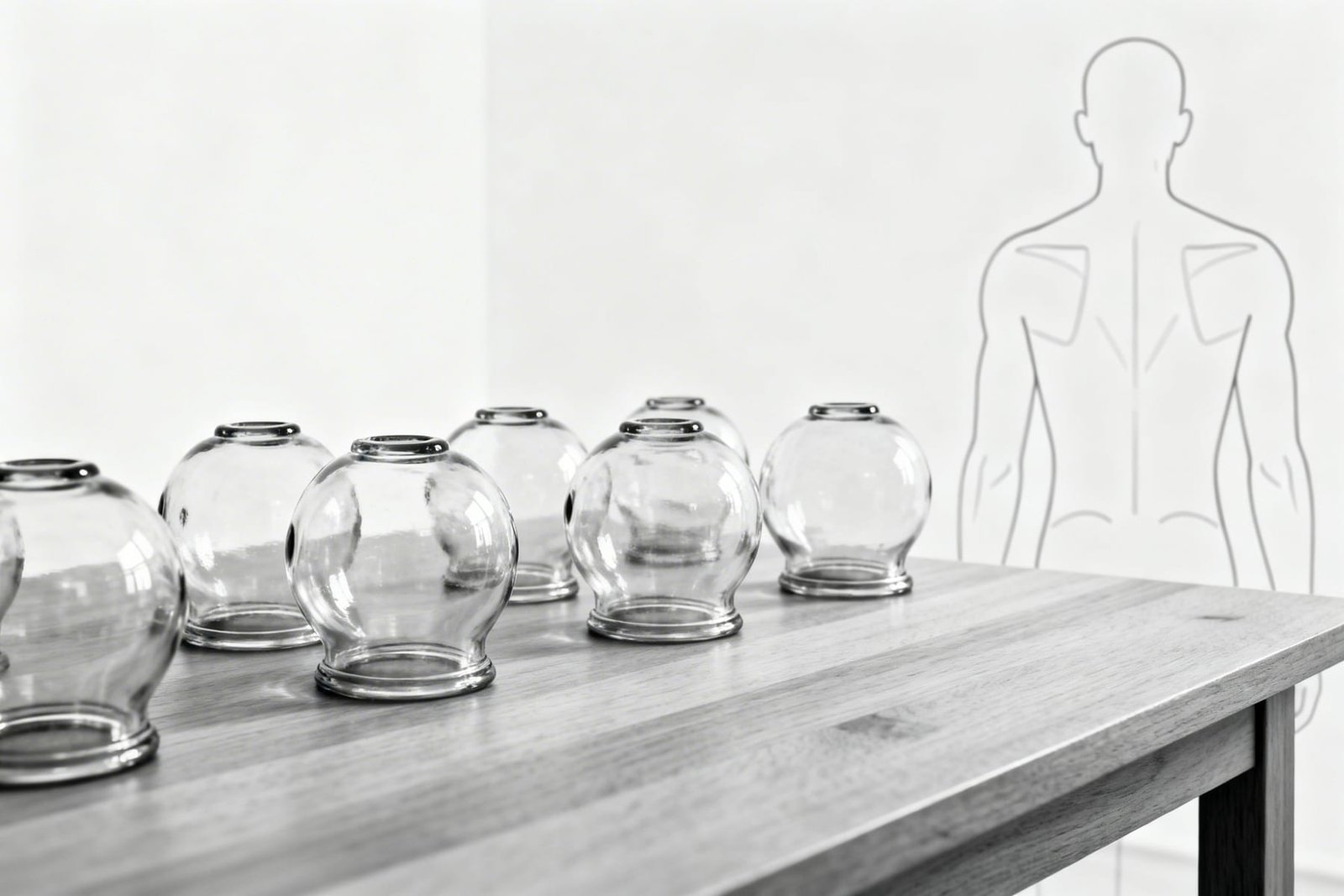
Cupping Cup Types Comparison
Dry Cupping (Static)
Traditional placement of cups over tissue for several minutes. Creates sustained negative pressure that may alter local tissue mechanics, increase superficial blood flow, and reduce pain sensitivity in some patients.
The classic technique. It often leaves circular marks that usually fade over several days.
Massage Cupping (Sliding)
Oil is applied to the skin and the cups are moved in gliding strokes along the muscle or fascial line. This combines decompression with movement and is often used when treating broader tissue regions.
Often better tolerated than longer static cupping and commonly used for initial sessions or more sensitive patients.
Flash Cupping
Rapid application and removal of cups in quick succession over an area. This creates a brief repetitive suction stimulus without prolonged local loading.
Usually less likely to leave strong marks than static cupping.
Wet Cupping (Hijama)
Controlled superficial skin puncture followed by cupping to draw a small amount of blood. This belongs to specific traditional medical systems and requires appropriate medical training, hygiene standards, and indication review.
Requires trained practitioners and stricter infection-control precautions. It is not a standard first-line MPS treatment.
Evidence Base for Myofascial Pain
Cupping has been studied in neck pain, back pain, shoulder pain, and broader musculoskeletal pain populations. The overall picture is supportive but methodologically mixed.
Neck Pain and Myofascial Pain Reviews
Trigger Point Sensitivity Studies
Shoulder and Upper Back Pain Trials
Meta-analytic Findings
Application Protocols
These are example protocols for trained practitioners. Session duration, suction strength, and frequency should be individualized rather than fixed for every patient.
Upper Trapezius & Cervical Protocol
- Patient prone or seated, neck relaxed rather than forcefully flexed
- Apply 2–4 medium cups bilaterally over the upper trapezius region
- Typical hold is often shorter in first sessions, then adjusted based on tolerance
- Follow with gentle range-of-motion or scapular exercises if symptoms allow
Lumbar & Paraspinal Protocol
- Patient prone, sometimes with abdominal support for comfort
- Apply several cups paravertebrally while avoiding direct placement over the spine itself
- Static duration is individualized rather than fixed for every patient
- Sliding variation may be used from thoracic to sacral regions with adequate oil
Hip & Gluteal Protocol
- Patient side-lying or prone
- Apply 2–3 larger cups over the gluteal region depending on body habitus and tolerance
- Static duration is usually kept shorter in more reactive patients
- Can be combined with gentle piriformis or hip-rotation stretching when tolerated
Shoulder & Rotator Cuff Protocol
- Patient seated or side-lying with the shoulder positioned to expose the posterior cuff comfortably
- Apply 1–2 medium cups over the infraspinatus / teres minor region as indicated
- Use shorter static holds in highly reactive shoulder pain cases
- Follow with light external-rotation or scapular-control exercises when appropriate
Contraindications & Safety Considerations
Cupping is generally low risk when used appropriately, but contraindications and patient-specific cautions should always be reviewed before treatment.
Cupping is best understood as a decompression-based manual therapy that may influence local tissue mechanics, pain sensitivity, and short-term symptom relief.
The marks left by cupping are usually superficial suction-related skin changes rather than the kind of blunt-trauma bruise patients often imagine, but they still represent a real tissue response and should not be minimized.
Sliding cupping is often a well-tolerated starting variation for broader myofascial pain regions, especially in first sessions or more reactive patients.
Evidence quality is moderate rather than definitive — cupping is best used as an adjunct to exercise, stretching, movement restoration, and other rehabilitation strategies rather than as a stand-alone cure.
When performed by trained practitioners on appropriate patients, cupping is generally low risk, with temporary marks and mild soreness among the most common side effects.