Understanding Carpal Tunnel Mimics
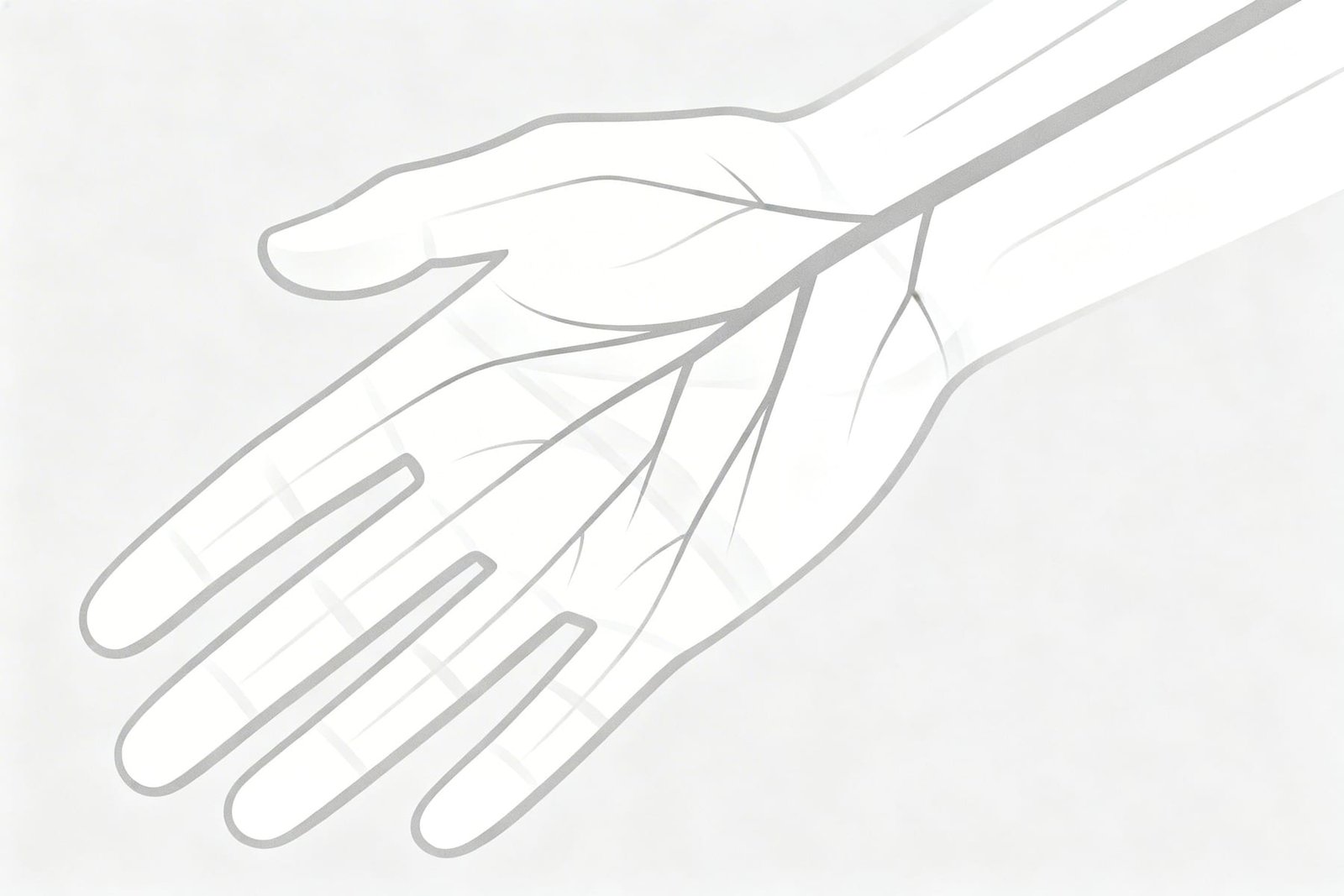
Carpal Tunnel Mimics
Anatomy and Pain Pattern OverviewCarpal tunnel syndrome (CTS) is one of the most commonly diagnosed upper-extremity nerve entrapments. At the same time, some patients labeled with CTS have a more complex or different symptom source — including myofascial trigger points in the scalenes, pectoralis minor, shoulder girdle, or forearm muscles that can refer pain, tingling, and numbness into the hand.
The concept of "double crush syndrome" offers one useful framework for understanding this overlap. If a nerve is irritated or mildly compressed at one site along its course, it may be less tolerant of stress at another site. This does not explain every case, but it helps illustrate why proximal irritation can make distal symptoms feel more pronounced.
Several anatomical regions can contribute to CTS-like symptoms: the interscalene triangle, the costoclavicular space, the subcoracoid region beneath the pectoralis minor, and the proximal forearm around the pronator teres. When more than one of these areas is involved, the overall presentation can look very similar to distal median nerve entrapment.
Hand numbness does not always begin in the wrist — proximal muscles and entrapment sites can produce surprisingly convincing CTS-like symptoms.
Anatomy & Key Trigger Points
The brachial plexus and upper-extremity nerves travel from the neck to the fingertips through several anatomical bottlenecks. Each of these areas can become mechanically or myofascially relevant, which is why a full upper-quarter assessment matters in patients with hand symptoms.
The anterior and middle scalene muscles form the interscalene triangle, where the brachial plexus and subclavian artery pass. Trigger points and increased resting tone in the scalenes may contribute to neurogenic thoracic outlet-type symptoms, including aching, numbness, and tingling radiating into the upper extremity. These symptoms can overlap with C8-T1 radiculopathy, ulnar neuropathy, or carpal tunnel-like complaints, especially when posture, breathing pattern, or cervical strain are also part of the picture.
The pectoralis minor crosses over the brachial plexus and axillary vessels beneath the coracoid region. When shortened or highly irritable, it may contribute to pectoralis minor syndrome or a thoracic-outlet-like presentation. Patients may report anterior shoulder or chest discomfort, arm heaviness, and hand tingling that worsens with overhead activity or sleeping with the arm elevated. It is frequently under-evaluated in upper-extremity paresthesia patterns because its symptoms mimic distal nerve entrapment.
The subclavius runs from the first rib to the underside of the clavicle and lies close to the neurovascular structures in the costoclavicular space. Trigger points or increased tone here may contribute to pain into the anterior shoulder, arm, and hand, and may coexist with costoclavicular compression patterns. In some patients, symptoms include a sense of heaviness, congestion, or coldness in the hand, though vascular findings always require careful medical assessment.
The infraspinatus covers the posterior scapula and can produce a large referred pain pattern extending into the anterior shoulder, lateral arm, forearm, and sometimes the radial side of the hand. Because clinicians do not always expect hand symptoms to relate to a posterior shoulder muscle, this pattern is often overlooked. It can overlap with shoulder pathology or with a more proximal nerve-related pain presentation.
The pronator teres crosses the proximal forearm, and the median nerve passes between its two heads. Trigger points and local irritability may coexist with pronator syndrome, which can resemble carpal tunnel syndrome by producing paresthesias in the median nerve distribution. One clinically useful distinction is that pronator syndrome may involve the thenar eminence because the palmar cutaneous branch does not pass through the carpal tunnel.
The FDS lies in the intermediate flexor compartment of the forearm and flexes the fingers at the PIP joints. Trigger points here may refer pain into the fingers and contribute to a sense of stiffness, aching, or clumsiness in the hand. In some patients, FDS involvement adds to the forearm discomfort that gets mislabeled as distal nerve pathology.
The first dorsal interosseous sits in the web space between the thumb and index finger and is commonly irritated in repetitive pinch and grip tasks. Trigger points may cause dorsal web-space pain and refer into the lateral index finger. This can overlap with thumb-base pathology, de Quervain-type complaints, or cervical referral depending on the broader presentation.
The thenar and intrinsic thumb muscles can develop trigger points that create aching in the thenar eminence and thumb, sometimes with reduced pinch confidence or hand fatigue. Because advanced carpal tunnel syndrome can also involve thenar weakness, these muscular symptoms are sometimes misattributed to a median neuropathy. In a myofascial presentation, nerve studies may still be normal.
Interscalene Triangle
Scalene tension or trigger points may contribute to brachial plexus irritation in the lateral neck.
Costoclavicular Space
First-rib position, clavicular mechanics, and surrounding soft tissue can influence this region.
Subcoracoid Space
Pectoralis minor shortening or irritability may contribute to neural or vascular symptoms under the coracoid region.
Pronator Tunnel
Pronator teres and surrounding proximal forearm structures may contribute to median-nerve-like symptoms.
Referral Patterns
Referral patterns from cervical, shoulder girdle, and forearm muscles can create surprisingly convincing hand symptoms. These patterns are clinically useful clues, but they still need to be interpreted alongside neurological exam findings, provocative testing, and the broader differential diagnosis.
Scalene Anterior & Medius
Pectoralis Minor
Pronator Teres
Infraspinatus
Thenar Muscles
Self-Assessment
The following tests can help screen for proximal entrapment patterns and muscular contributors that may mimic or coexist with true carpal tunnel syndrome. They are most useful when interpreted together rather than one at a time.
Adson Test (Scalene Assessment)
Wright Hyperabduction Test (Pectoralis Minor)
Roos Elevated Arm Stress Test (EAST)
Pronator Compression Test
Scalene Trigger Point Palpation
Treatment Pathways
Treatment is often most effective when it addresses all likely contributors rather than focusing narrowly on one site. In many patients, that means combining symptom-directed local treatment with breathing, postural, neural, and shoulder-girdle rehabilitation.
Self-Care
- Diaphragmatic breathing retraining — if accessory-neck breathing seems prominent, calmer diaphragmatic breathing may help reduce excessive scalene overuse
- Doorway pectoralis minor stretch — a gentle anterior shoulder/chest stretch can help selected patients, especially when overhead posture or rounded shoulders worsen symptoms
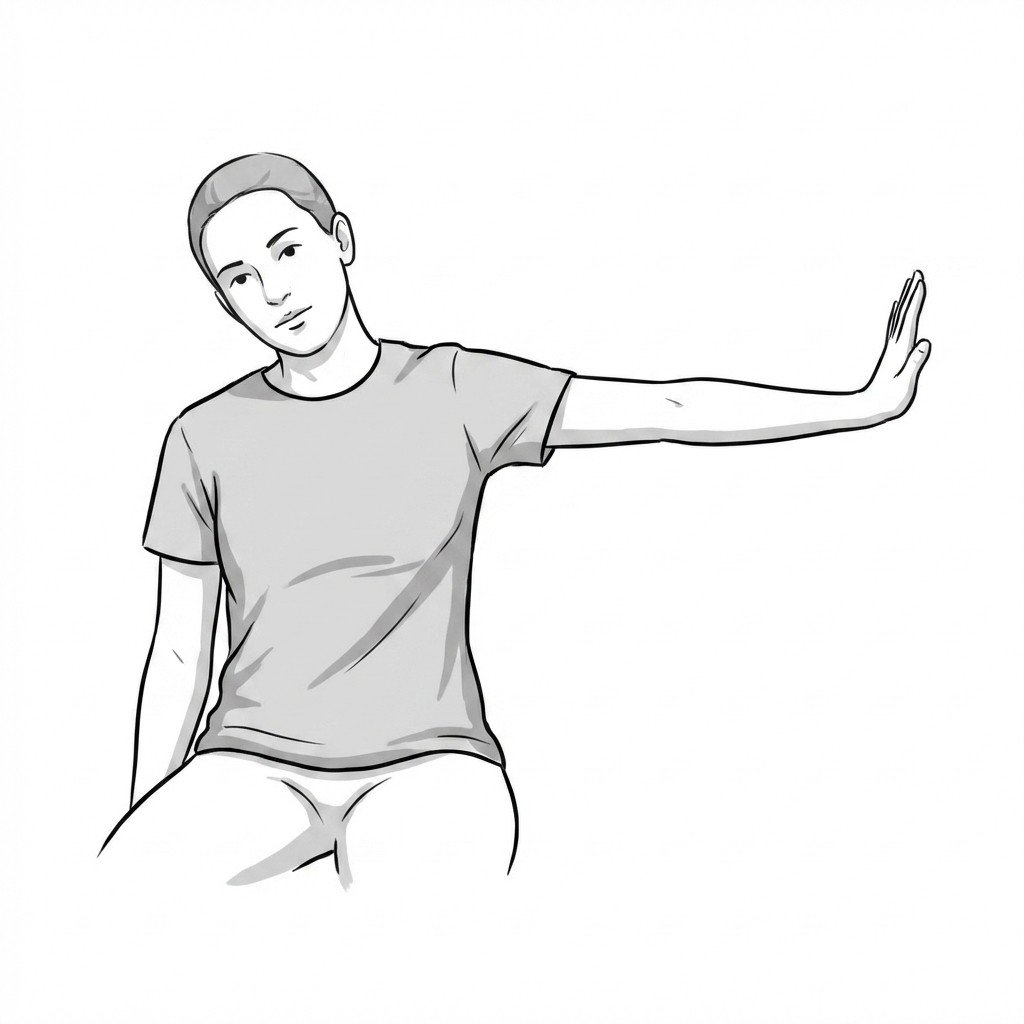
- Gentle cervical lateral-flexion stretching — may help some patients with scalene overactivity when done carefully and without provoking symptoms
- Self-massage of the forearm flexors and extensors using a ball or hands — can be useful for pronator teres and FDS-related forearm tenderness when kept tolerable
- Postural and ergonomic correction — addressing forward head posture, shoulder protraction, prolonged elbow flexion, and desk setup may reduce repeated irritation
Manual Therapy
- Scalene and cervical soft-tissue treatment — careful manual work may help reduce local muscle irritability in selected patients
- Pectoralis minor myofascial release — may be useful when anterior shoulder tightness and overhead symptom provocation are prominent
- First rib and thoracic mobility work — can be considered when posture and costoclavicular mechanics seem relevant
- Neural mobilization of the median, ulnar, or radial nerves — gentle nerve gliding may help when neural irritability appears to coexist with muscular tension
- Thoracic spine mobilization — may support improved shoulder girdle mechanics and reduce the postural drivers of symptoms in some patients
Interventional
- Dry needling of selected trigger points — may be useful in experienced hands, especially when conservative treatment has not been enough; deeper cervical or thoracic-outlet-adjacent regions require particular caution
- Trigger point injection with local anesthetic — can be considered in selected refractory muscular pain generators
- Botulinum toxin injection — sometimes considered in highly selected chronic cases, though this is not a routine first-line approach
- Ultrasound-guided hydrodissection or other image-guided procedures — may be considered in selected entrapment presentations when clinician expertise and indication are appropriate
Rehabilitation
- Scapular stabilization work — strengthening serratus anterior and lower trapezius may help when shoulder girdle posture is part of the problem
- Deep cervical flexor training — can help reduce chronic reliance on superficial neck muscles in some patients
- Thoracic extension and mobility exercises — may be useful when kyphotic posture and upper-quarter stiffness are contributing factors
- Nerve gliding exercises — systematic median, ulnar, or radial nerve glides may help maintain neural mobility when tolerated
- Ergonomic workstation optimization — monitor height, keyboard position, shoulder support, and rest breaks can all matter in repetitive-use cases
Red Flags — When to See a Doctor
Before attributing hand numbness to a myofascial source, always screen for serious neurological, vascular, or systemic causes that require urgent assessment.
The scalenes, pectoralis minor, and pronator teres are important muscles to consider in patients with hand numbness, tingling, or upper-extremity paresthesias, especially when the symptoms do not fit a straightforward carpal tunnel story.
Multiple levels of irritation can coexist. Proximal and distal compression patterns may combine, which is one reason hand symptoms do not always improve when only one site is treated.
Breathing pattern, posture, and shoulder girdle mechanics can all influence scalene- and pectoralis-minor-related symptom patterns and deserve attention in rehabilitation.
Normal nerve conduction studies do not completely exclude a meaningful muscular or proximal contribution to symptoms, particularly when the clinical picture is mixed.
Provocative maneuvers such as the Roos/EAST, Adson, Wright, and pronator tests are screening tools that help build a clinical picture, but none should be treated as definitive in isolation.
Always evaluate the cervical spine and screen for more serious neurological or vascular conditions before assuming the symptoms are purely myofascial.
Movement therapy
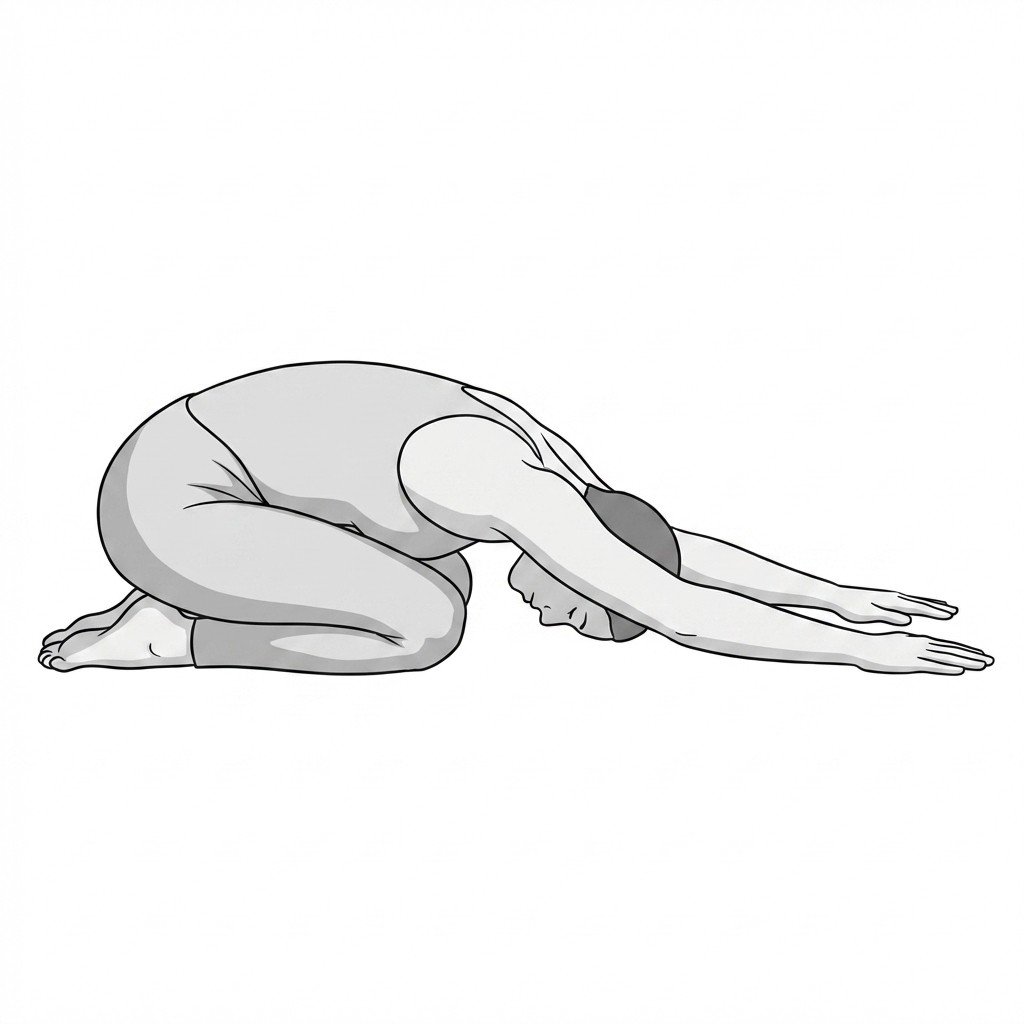
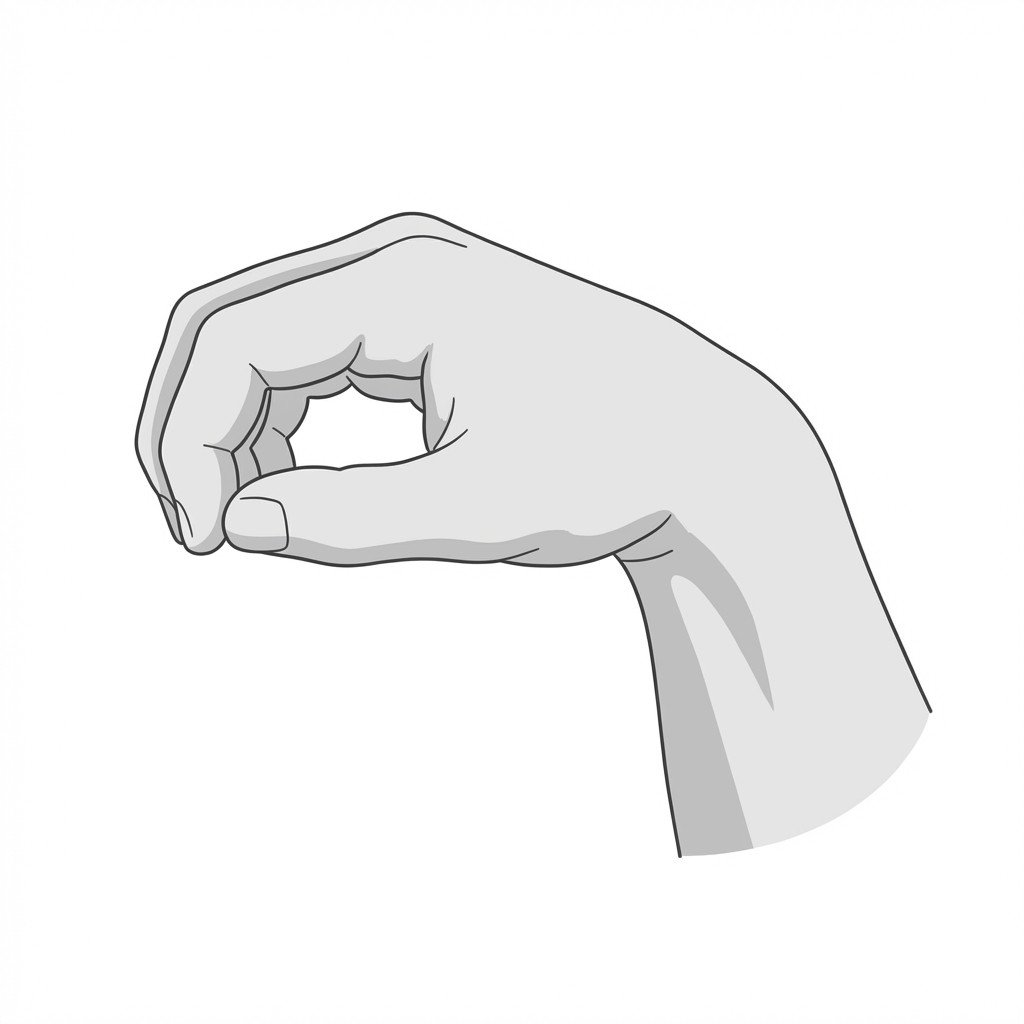
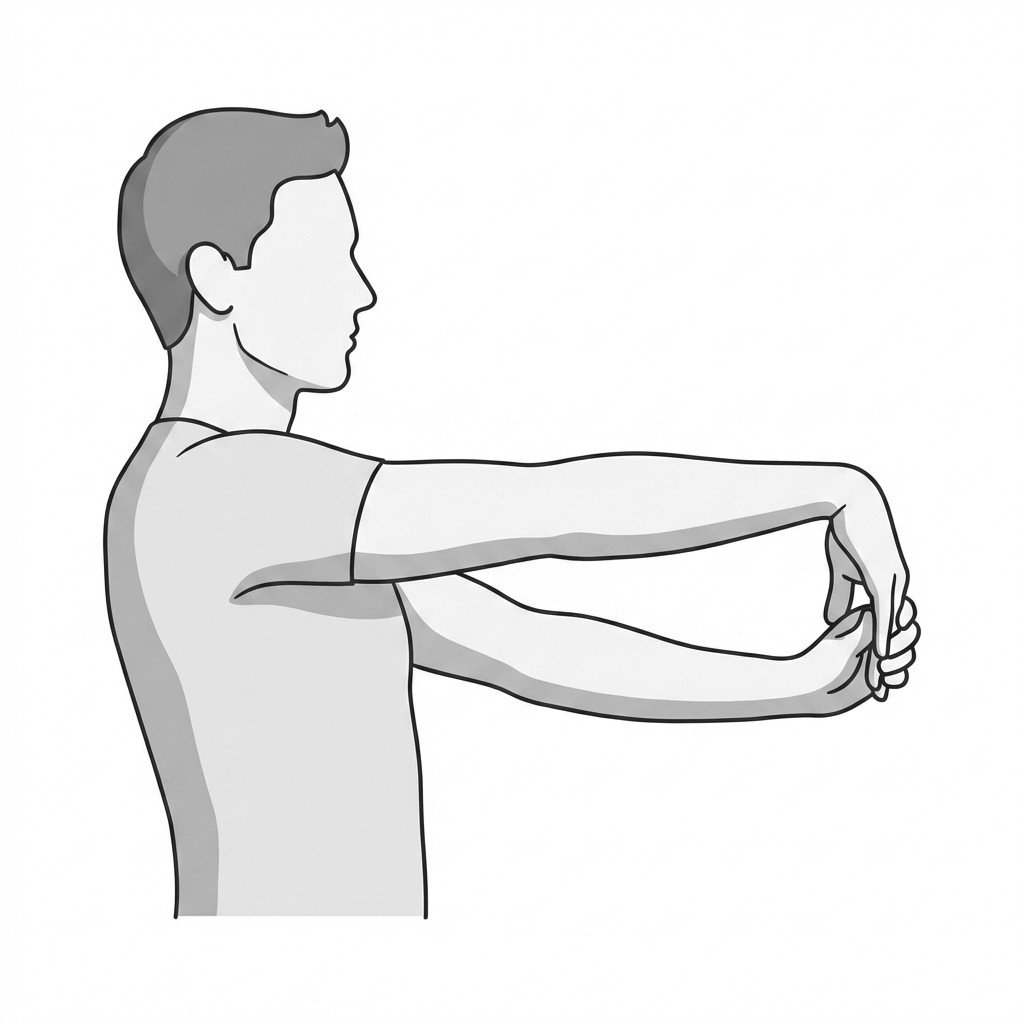
Exercises for Carpal Tunnel Syndrome
Start with 2-3 and progress as tolerated.