Understanding Anterior Shoulder Pain
Biceps tendinopathy encompasses a spectrum of pathology affecting the long head of the biceps tendon (LHBT), ranging from acute inflammatory tenosynovitis to chronic, degenerative tendinosis and partial tearing. The LHBT originates at the supraglenoid tubercle and superior labrum, traveling down the intertubercular groove of the humerus. Because of its anatomical course, it is subjected to significant mechanical friction and shear forces, particularly in overhead athletes and individuals with physically demanding occupations. Current epidemiological data suggest that isolated LHBT tendinopathy is relatively rare; it is most frequently observed as a secondary condition accompanying rotator cuff disease or superior labral anterior-posterior (SLAP) lesions. Differentiating primary tendon pathology from other sources of anterior shoulder pain is a common clinical challenge.
The clinical picture is frequently complicated by the presence of Myofascial Pain Syndrome (MPS). Muscles such as the pectoralis minor and coracobrachialis can develop trigger points that not only refer pain to the anterior shoulder but also mechanically alter glenohumeral kinematics. For instance, a shortened pectoralis minor promotes anterior scapular tilt, which can decrease the subacromial space and increase compressive loads on the LHBT during elevation. Furthermore, satellite trigger points within the biceps muscle belly itself can generate pain that mimics distal tendon pathology. Perhaps most deceptively, the infraspinatus muscle—located on the posterior scapula—classically refers a deep, aching pain directly to the anterior shoulder joint, leading many clinicians to misdiagnose posterior myofascial pain as anterior structural pathology.
Differentiating anterior shoulder pain requires looking beyond the bicipital groove; the true source of pain often lies in the posterior cuff or altered scapular mechanics.
A meticulous clinical approach is required to differentiate true LHBT tendinopathy from myofascial pain and other intra-articular pathologies. Palpation must be precise; tenderness strictly localized to the intertubercular groove suggests tendon or sheath involvement, whereas tenderness over the coracoid process or muscle bellies points toward a myofascial or tendinous origin of the short head of the biceps or coracobrachialis. Provocative maneuvers like Speed's and Yergason's tests are routinely utilized, though systematic reviews note their limited specificity when used in isolation. Consequently, diagnostic musculoskeletal ultrasound has become an invaluable tool in the clinical setting. Ultrasound allows for real-time, dynamic assessment of tendon integrity, fluid in the tendon sheath, and subluxation, effectively distinguishing structural tendon disease from purely myofascial or referred pain syndromes.
Biceps Tendinopathy vs Myofascial Mimic
Pain behavior
Pain location
Palpation finding
First-line treatment
Anatomical Considerations
The anterior shoulder is a complex intersection of tendons, ligaments, and myofascial structures. Understanding the spatial relationships between the LHBT, the coracoid process attachments, and the rotator cuff is essential for accurate diagnosis.
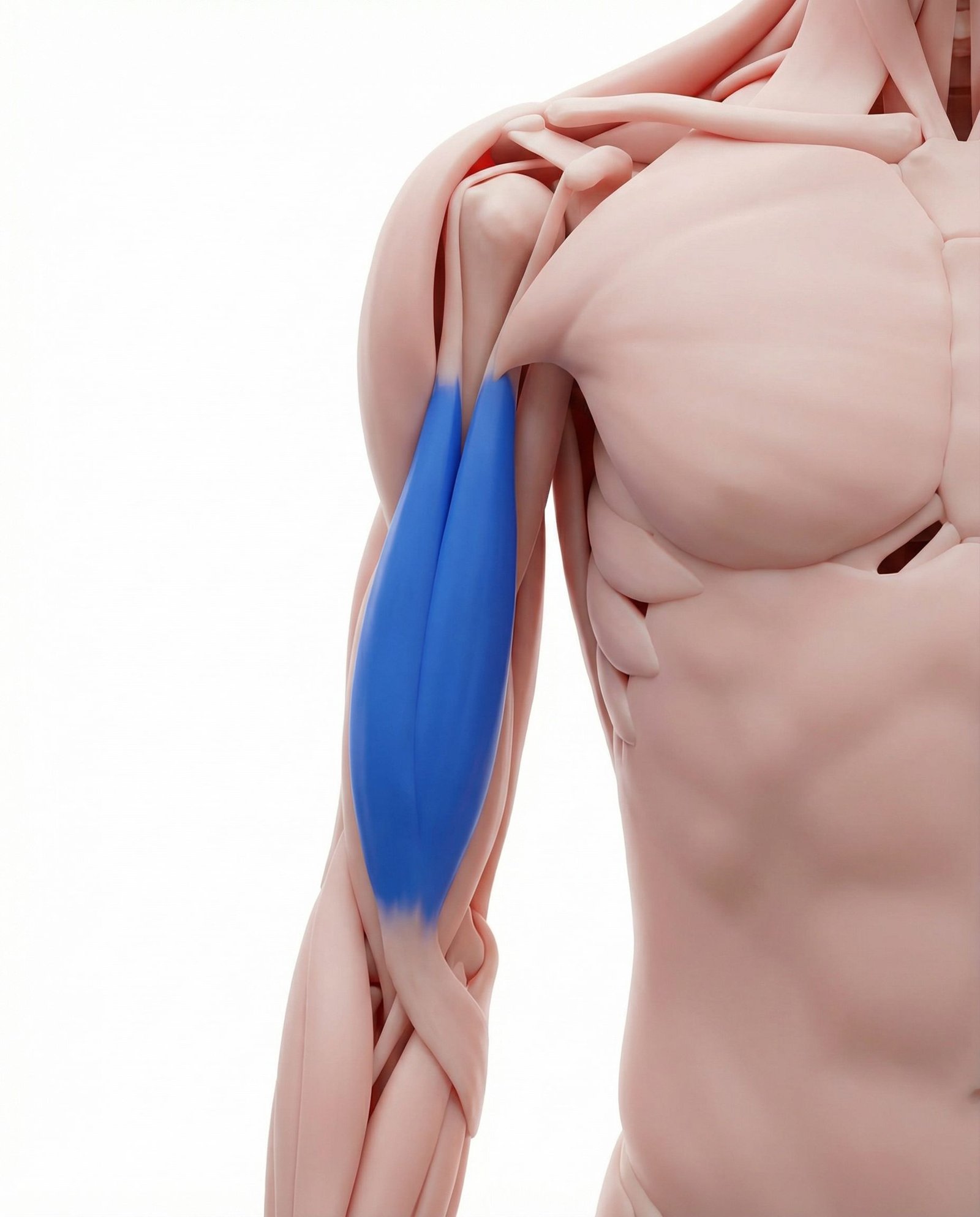
The long head of the biceps tendon (LHBT) courses through the intertubercular groove and attaches to the superior glenoid labrum. Pathology here ranges from acute tenosynovitis to chronic tendinosis and partial tearing. Myofascial trigger points in the muscle belly can refer pain superficially over the anterior shoulder and down into the antecubital space, closely mimicking primary tendon pain.
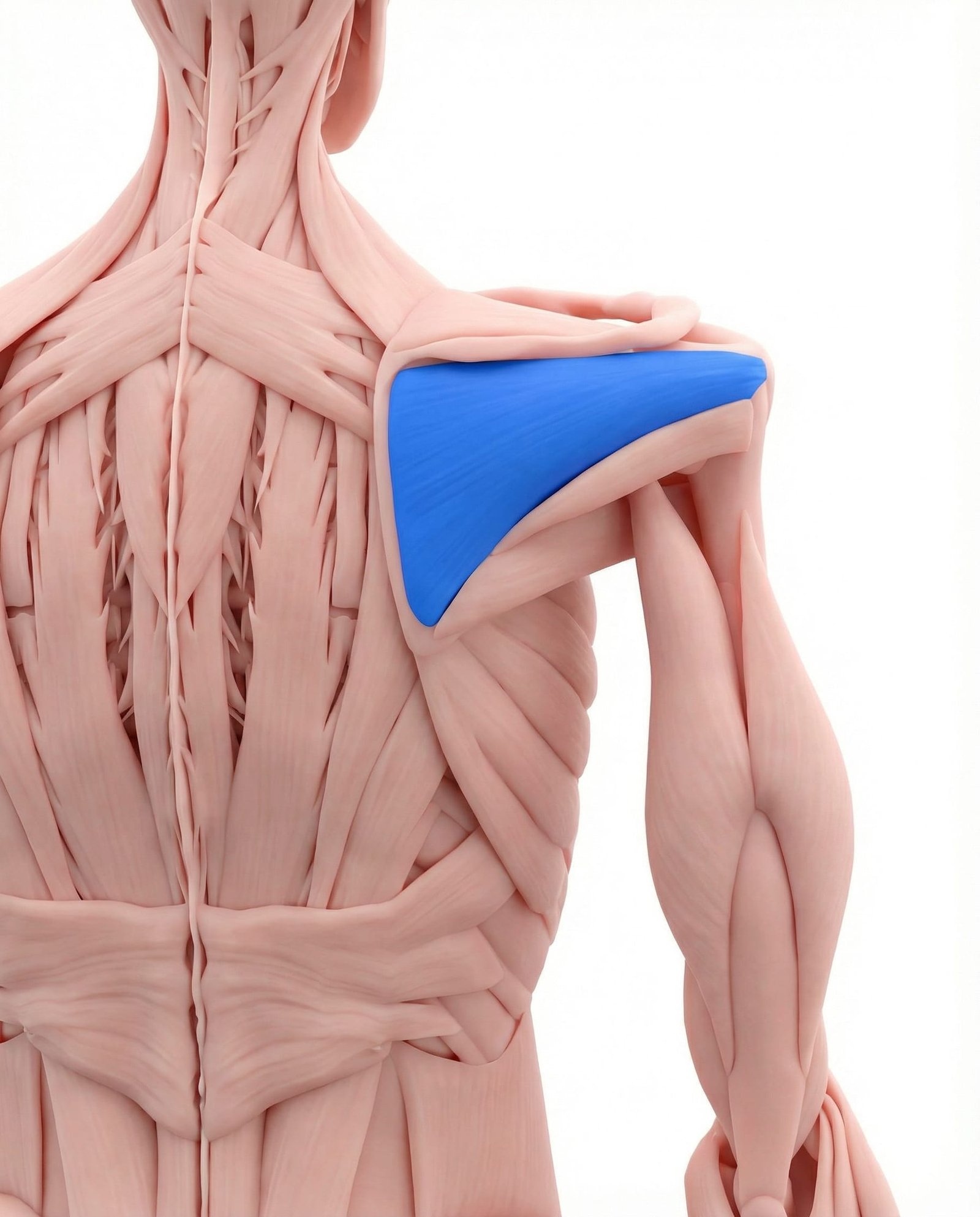
Although located on the posterior aspect of the scapula, the infraspinatus is a primary source of referred pain to the anterior shoulder. Clinical experience suggests that many patients presenting with anterior shoulder pain have a significant myofascial component originating from this external rotator. Differentiating infraspinatus referral from true LHBT pathology is a critical step in the physical examination.
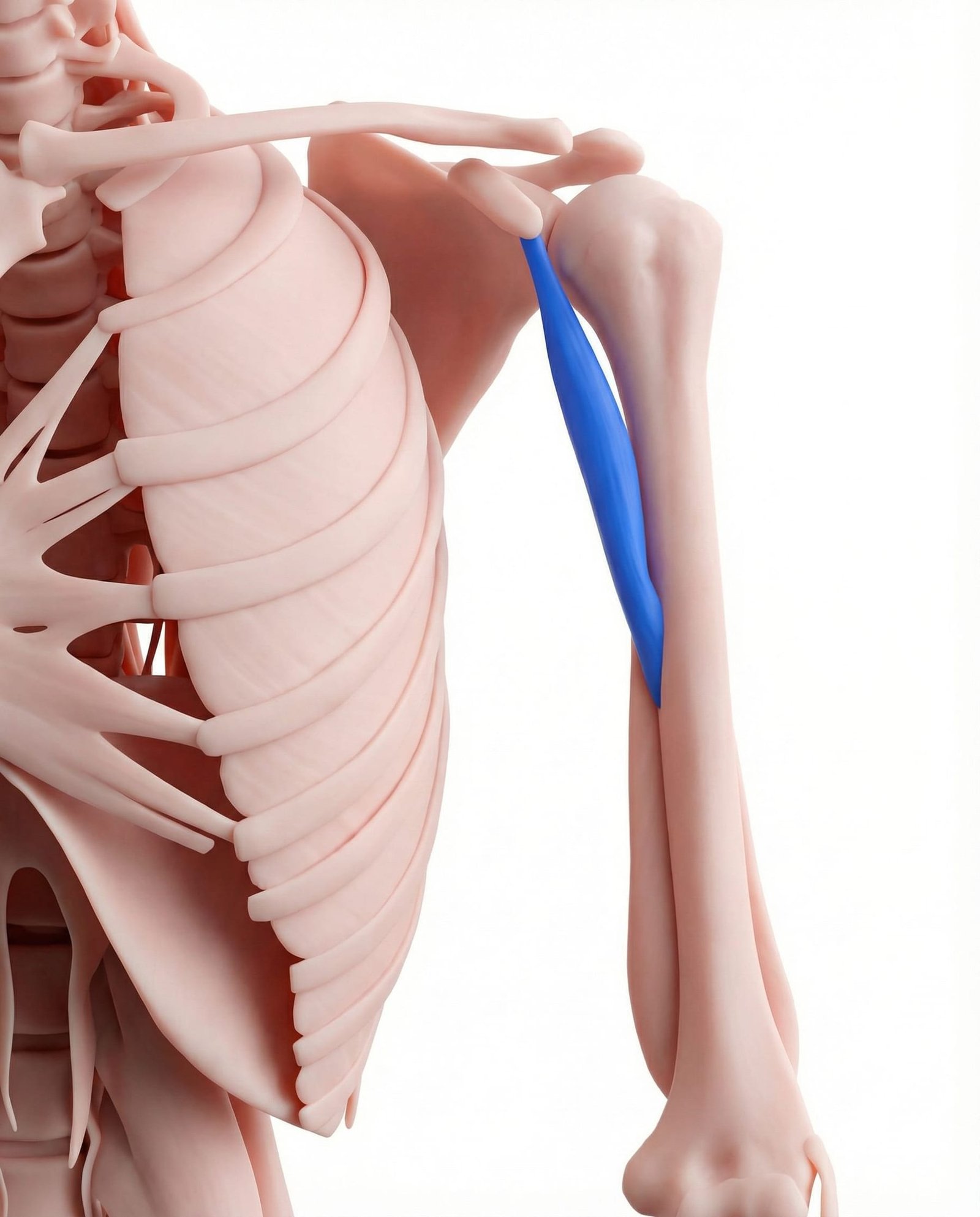
Originating from the coracoid process, this muscle is frequently overlooked in anterior shoulder pain presentations. Trigger points here can develop secondary to altered shoulder kinematics or prolonged shortened positions. Pain from the coracobrachialis is often described as a sharp ache in the anterior deltoid region, which can be mistaken for short head biceps or LHBT pain.
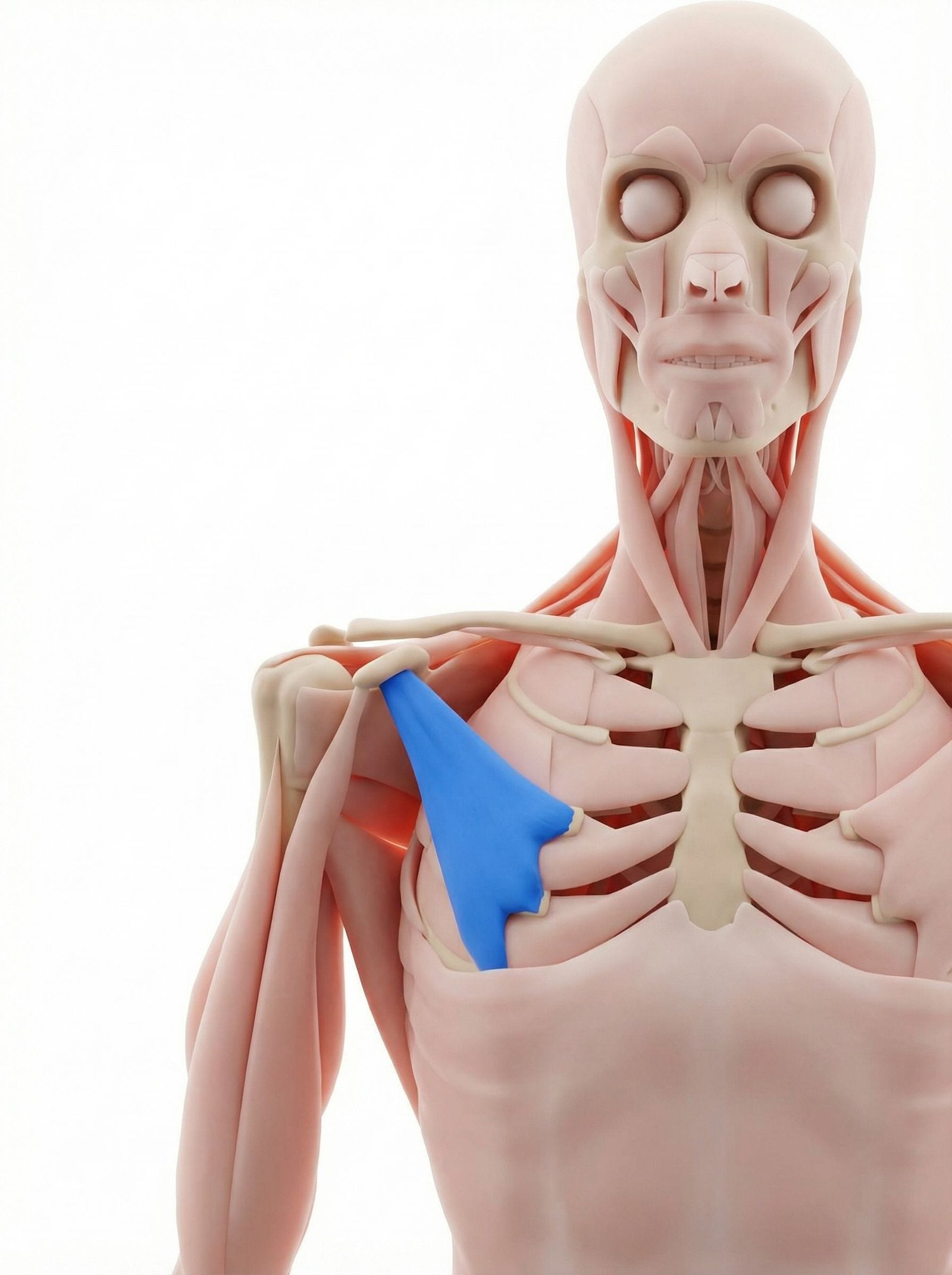
The pectoralis minor attaches to the coracoid process and plays a significant role in scapular positioning. Shortening or myofascial trigger points in this muscle contribute to anterior scapular tilt, which can decrease the subacromial space and increase mechanical load on the LHBT during overhead movements. Addressing pectoralis minor tension is often necessary for comprehensive management of anterior shoulder pain.
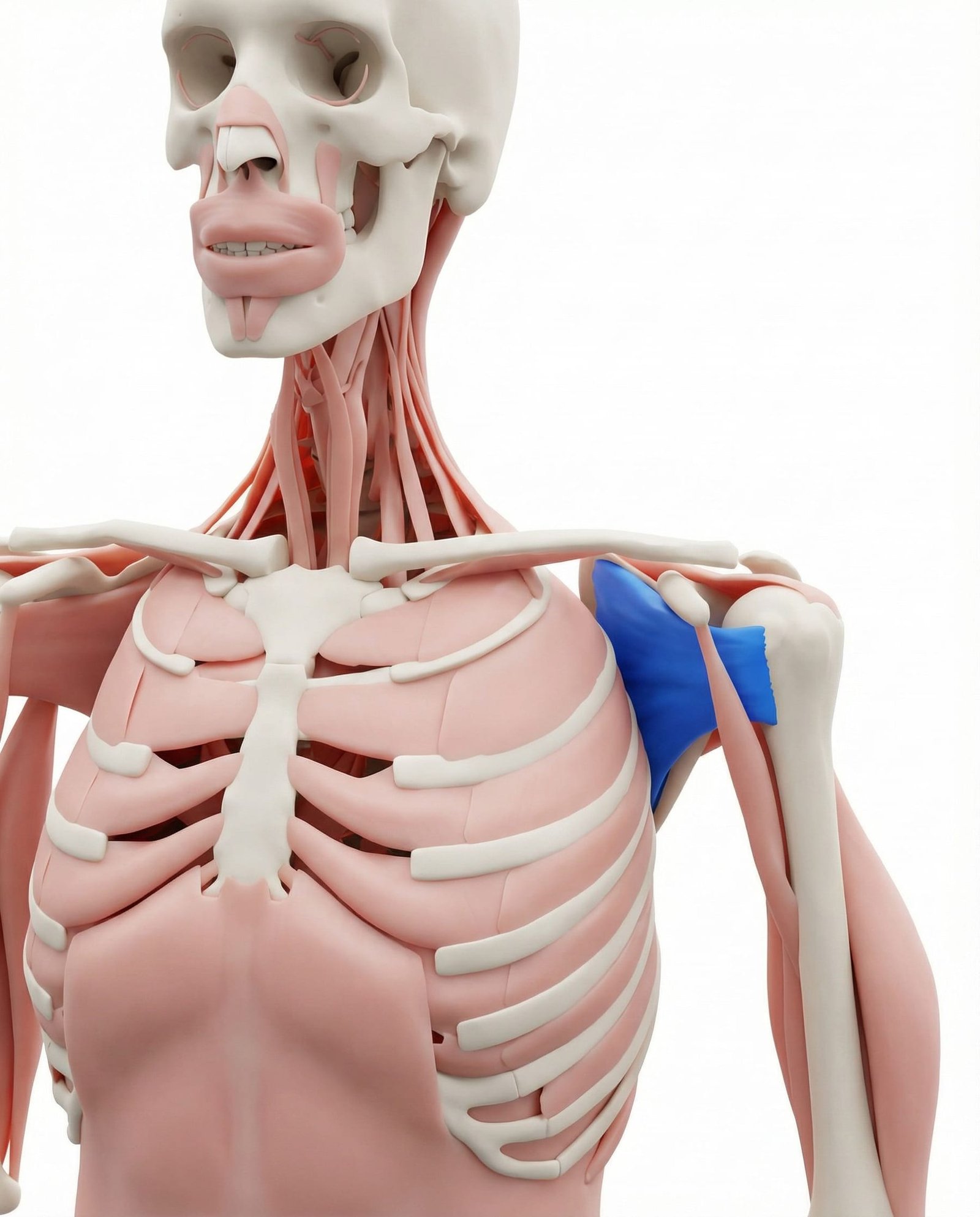
As the primary anterior stabilizer of the glenohumeral joint, the subscapularis intimately interacts with the LHBT, particularly at the lesser tuberosity and transverse humeral ligament. Trigger points in the subscapularis can restrict external rotation, altering glenohumeral arthrokinematics and potentially exacerbating bicipital groove friction.
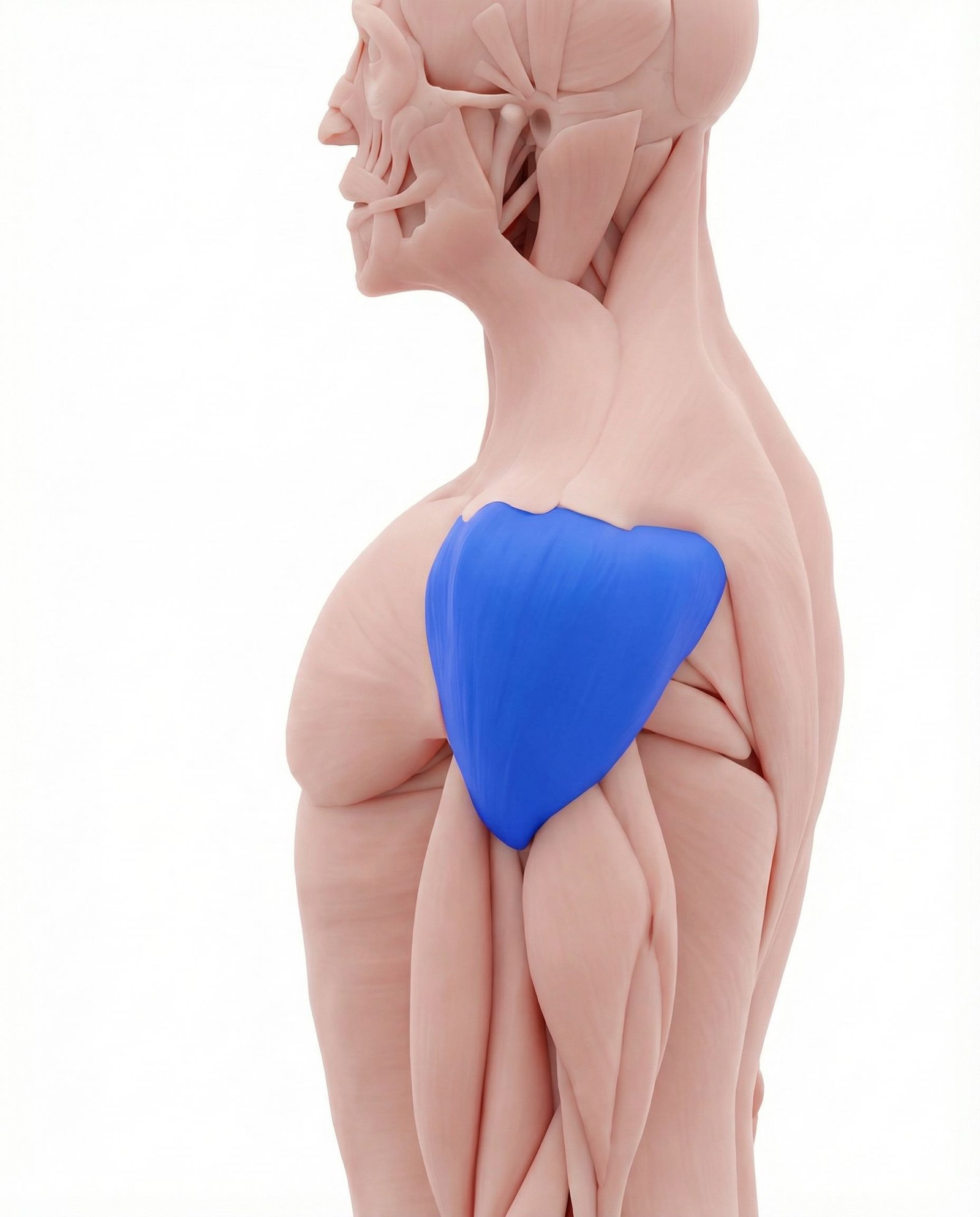
The anterior deltoid overlies the bicipital groove and anterior rotator cuff. While it can develop primary trigger points, pain in this region is frequently secondary to underlying joint, tendon, or referred myofascial pathology. Direct palpation must carefully distinguish between deltoid muscle belly tenderness and deeper LHBT or capsular pain.
LHBT Tendinopathy
Pain localized to the bicipital groove, exacerbated by overhead activities, lifting, and resisted supination. Often associated with a secondary impingement.
Myofascial Referral
Deep, aching pain in the anterior shoulder that is reproduced by palpating the infraspinatus posteriorly or the coracobrachialis medially. Joint mechanics may be normal.
SLAP Lesion
Deep joint pain, often accompanied by mechanical symptoms such as clicking, catching, or popping during overhead movements. May present with a positive O'Brien's test.
Rotator Cuff Tear
Weakness in elevation or external rotation, night pain, and positive impingement signs. The LHBT is often secondarily inflamed due to loss of humeral head depression.
Myofascial Referral Patterns
Myofascial trigger points frequently project pain to the anterior shoulder, creating a clinical presentation that closely mimics bicipital tendinopathy or anterior capsular injury.
Infraspinatus
Biceps Brachii (Muscle Belly)
Coracobrachialis
Subscapularis
Clinical Assessment
Clinical evaluation of anterior shoulder pain relies on a combination of provocative orthopedic testing and precise palpation to isolate the pain generator.
Speed's Test
Yergason's Test
Infraspinatus Trigger Point Palpation
Coracoid Process Palpation
Evidence-Based Management
Management of anterior shoulder pain requires a multimodal approach. Current guidelines generally recommend prioritizing progressive tissue loading and correcting biomechanical deficits before considering interventional procedures.
Self-Care
- Activity modification to reduce repetitive overhead loading
- Isometric biceps and rotator cuff exercises for pain modulation
- Gentle stretching of the pectoralis minor to improve scapular tilt
- Heat therapy for myofascial tension; cold therapy for acute tendon flare-ups
- Ergonomic adjustments to desk and computer setups to prevent protracted shoulders
Manual Therapy
- Ischemic compression of infraspinatus and subscapularis trigger points
- Myofascial release of the pectoralis minor and coracobrachialis
- Glenohumeral joint mobilizations to restore normal arthrokinematics
- Friction massage over the bicipital groove (if tolerated and not acutely inflamed)
- Instrument-assisted soft tissue mobilization (IASTM) for periscapular fascia
Interventional
- Diagnostic musculoskeletal ultrasound to assess tendon integrity
- Ultrasound-guided corticosteroid injection into the LHBT sheath (with caution regarding tendon rupture risk)
- Trigger point injections for refractory infraspinatus or coracobrachialis pain
- Orthobiologics (e.g., PRP) for chronic tendinosis, though evidence remains mixed
- Surgical consultation for tenodesis or tenotomy in cases of high-grade partial tears or failed conservative management
Rehabilitation
- Progressive heavy slow resistance (HSR) training for the biceps tendon
- Scapular dyskinesis correction focusing on lower trapezius and serratus anterior
- Rotator cuff strengthening to improve humeral head depression
- Eccentric loading protocols tailored to patient tolerance
- Proprioceptive and kinetic chain integration for overhead athletes
Red Flags — When to See a Doctor
While most anterior shoulder pain is mechanical or myofascial in nature, certain signs and symptoms warrant prompt medical investigation to rule out severe structural damage or systemic disease.
Anterior shoulder pain is frequently referred from myofascial trigger points in the posterior rotator cuff, particularly the infraspinatus.
Long head biceps tendinopathy rarely exists in isolation; it is most commonly secondary to rotator cuff pathology or scapular dyskinesis.
Trigger points in the coracobrachialis and pectoralis minor can alter shoulder mechanics, increasing mechanical load on the biceps tendon.
Clinical tests like Speed's and Yergason's are helpful but lack high specificity; they must be correlated with palpation and functional assessment.
Diagnostic ultrasound is a highly sensitive, cost-effective modality for differentiating true tendon structural changes from purely myofascial pain sources.
Conservative management emphasizing progressive tendon loading and periscapular control is generally recommended as the first-line approach.
Movement therapy
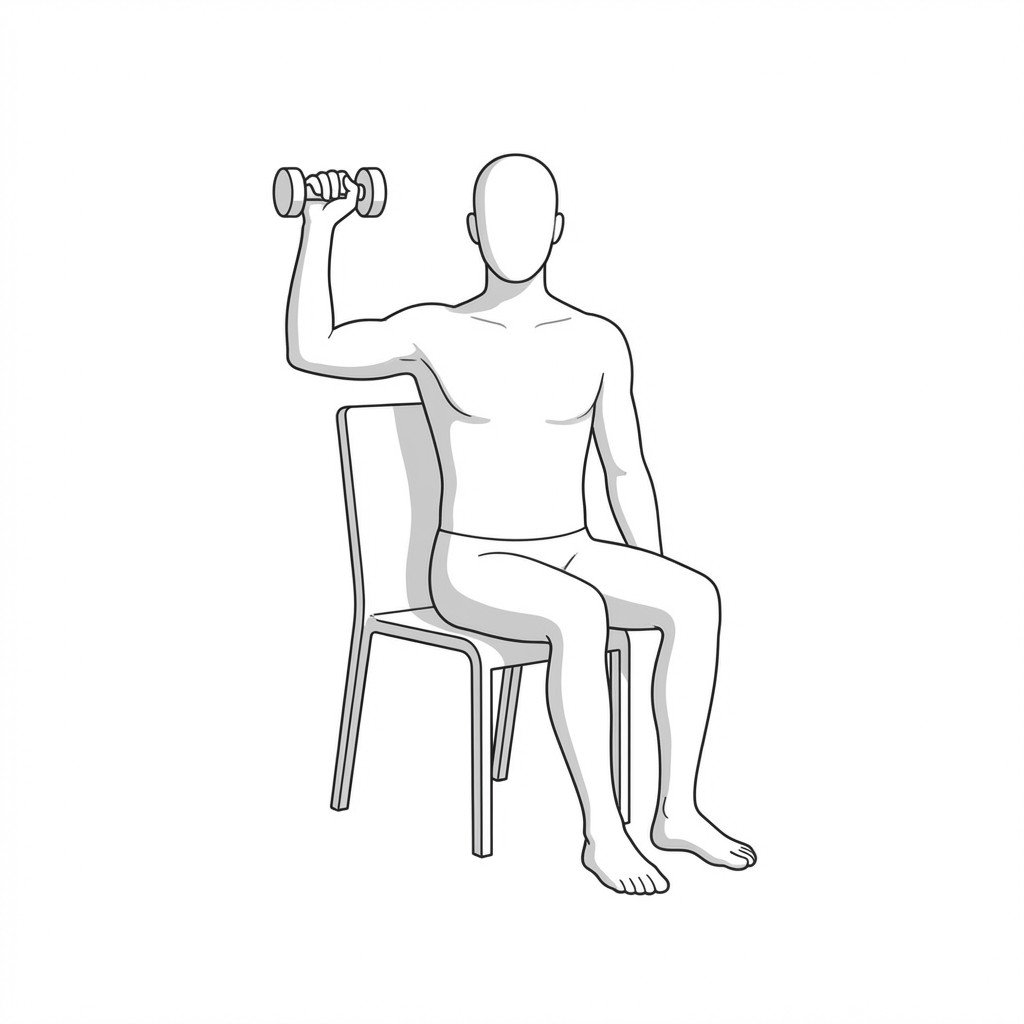
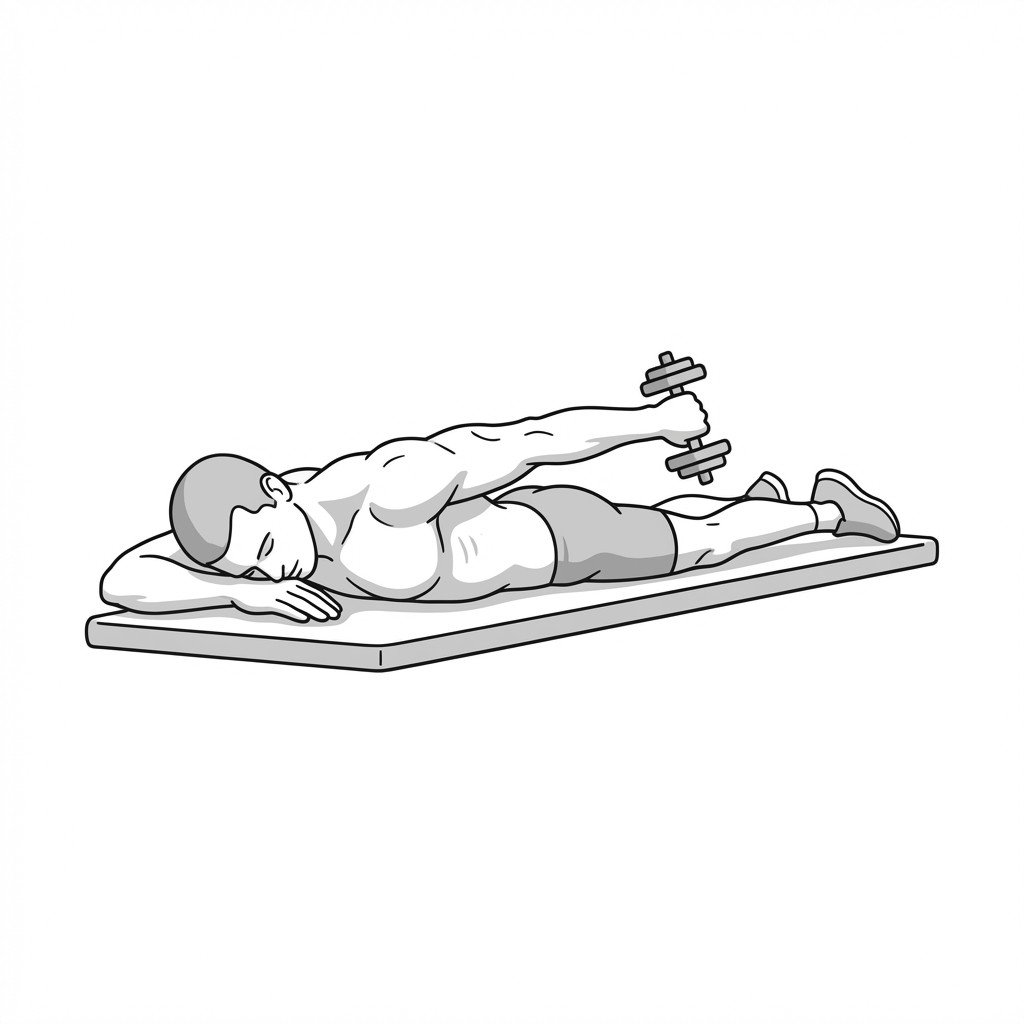
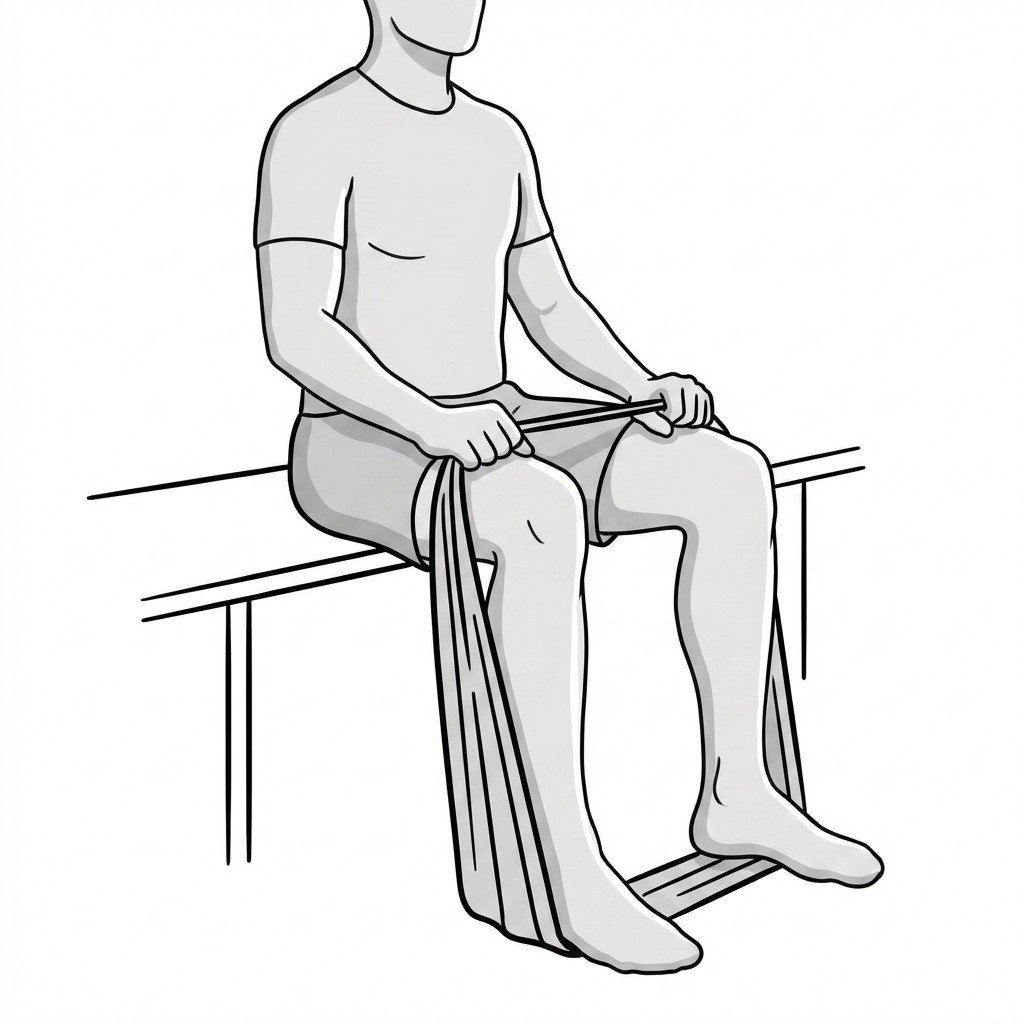
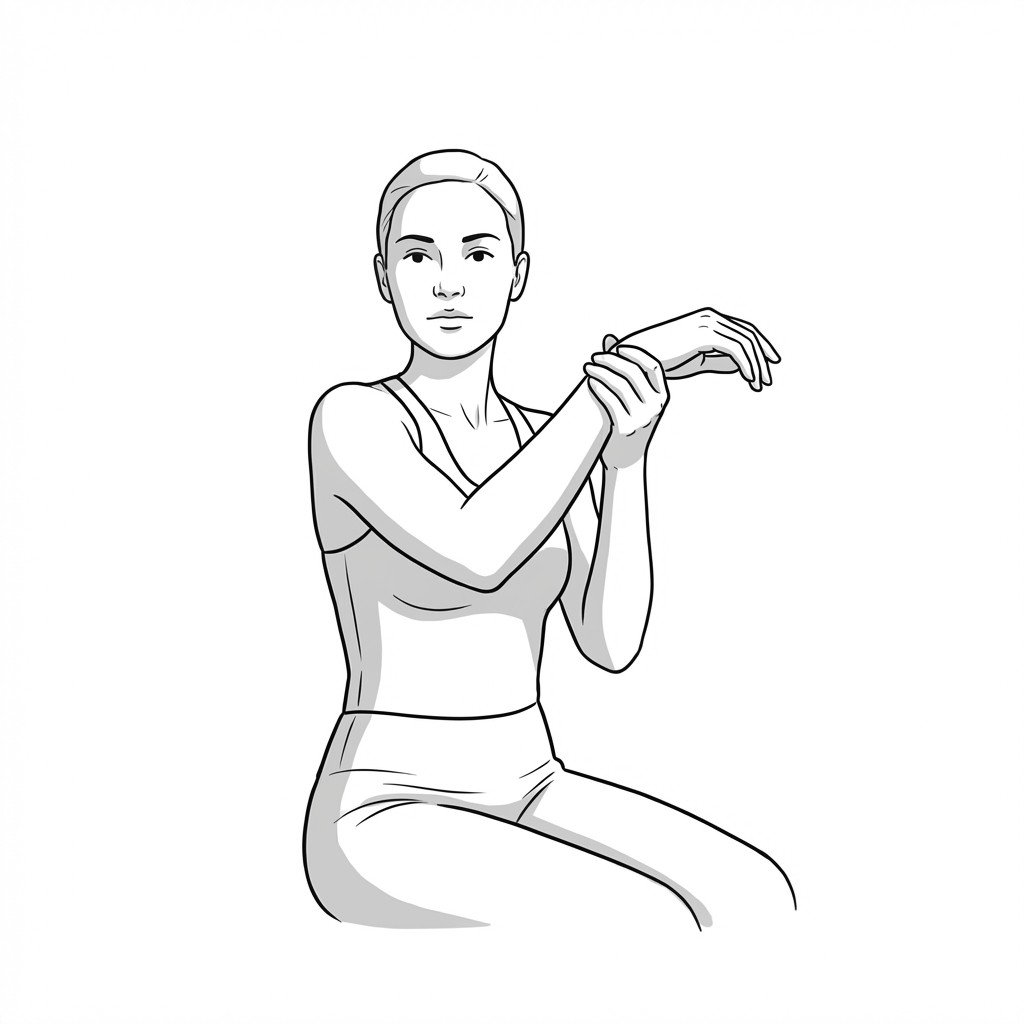
Exercises for Biceps Tendinopathy
These exercises reload the long head of the biceps tendon through controlled eccentric flexion and slow supination work, while prone extension and wall stretching address the shoulder positioning that compresses the tendon in its groove. Start with 2–3 and progress as tolerated.