What Is Western Medical Acupuncture?
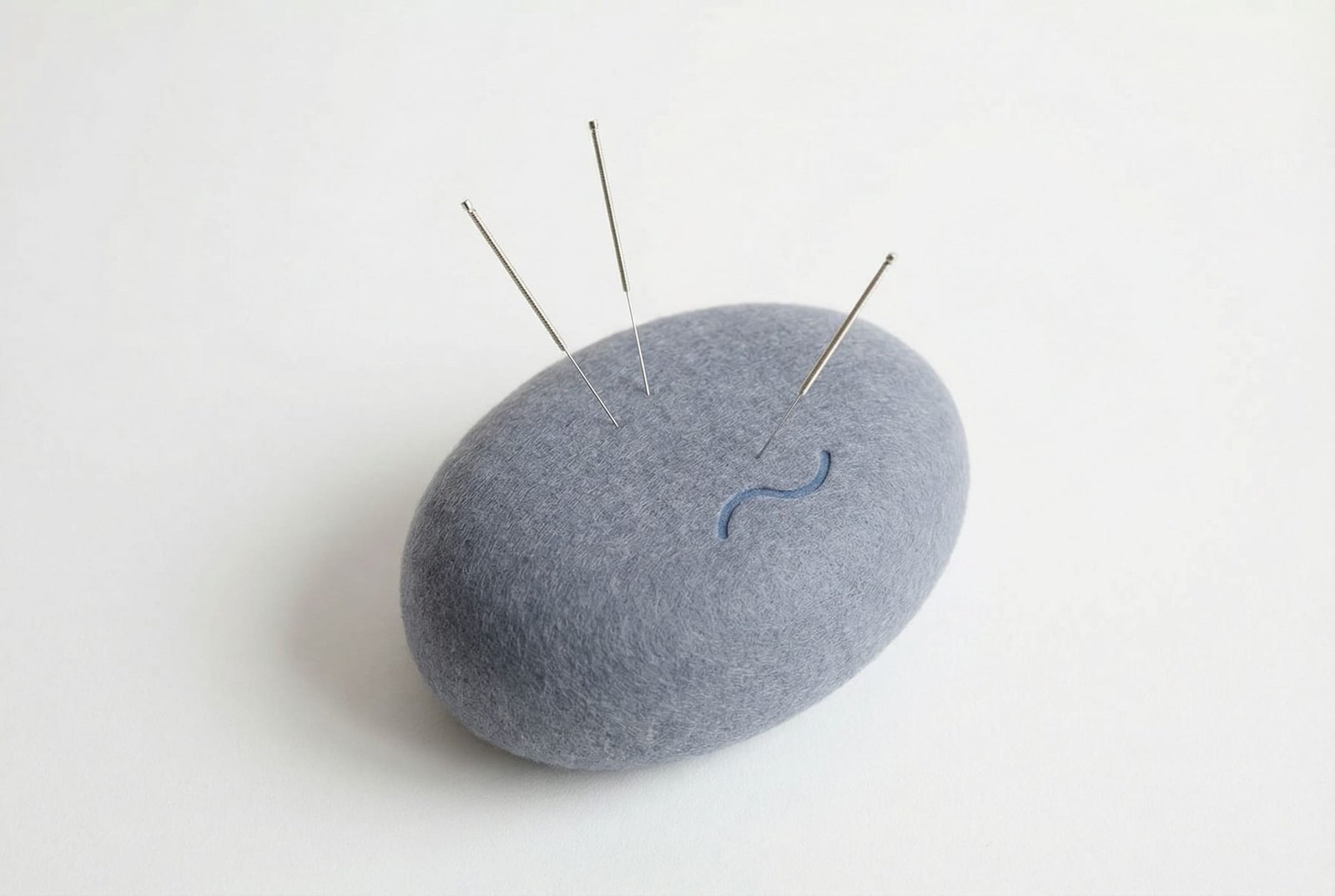
Acupuncture Treatment
Overview DiagramWestern medical acupuncture (WMA) uses acupuncture needles within a contemporary biomedical framework. Unlike traditional Chinese medicine (TCM) acupuncture, which is grounded in meridian theory and the concept of Qi, WMA usually selects needling points based on anatomy, segmental innervation, trigger point location, tissue sensitivity, and modern pain science.
WMA uses the same fine filiform needles as TCM acupuncture, and some of the same anatomical locations may be used. However, the rationale for point selection and the explanatory framework are different. In WMA, the emphasis is on what the needle is doing anatomically and physiologically rather than on traditional energetic concepts.
This approach developed largely through clinicians and researchers in the UK, Europe, and North America who wanted to reinterpret acupuncture through modern neurophysiology and clinical pain practice. It is now used by a range of healthcare professionals, often alongside rehabilitation and other conventional treatments.
Western medical acupuncture uses the same needles as traditional practice, but the treatment logic is framed through anatomy, physiology, and pain science.
Mechanism of Action
Western medical acupuncture is commonly explained through local, spinal, and supraspinal neurophysiological mechanisms, though no single mechanism fully explains all clinical effects.
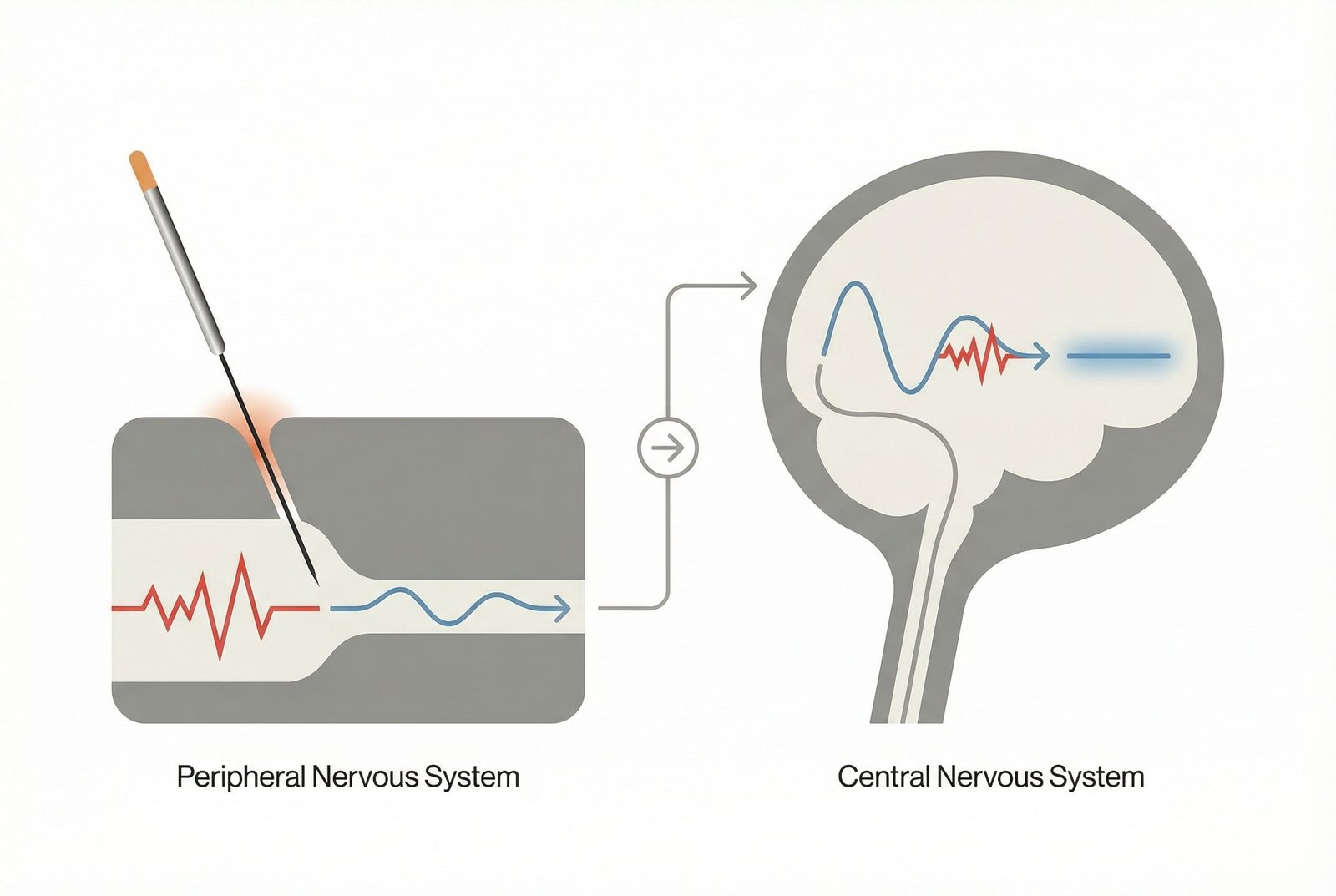
Mechanism of Action
Mechanism DiagramSegmental Analgesia
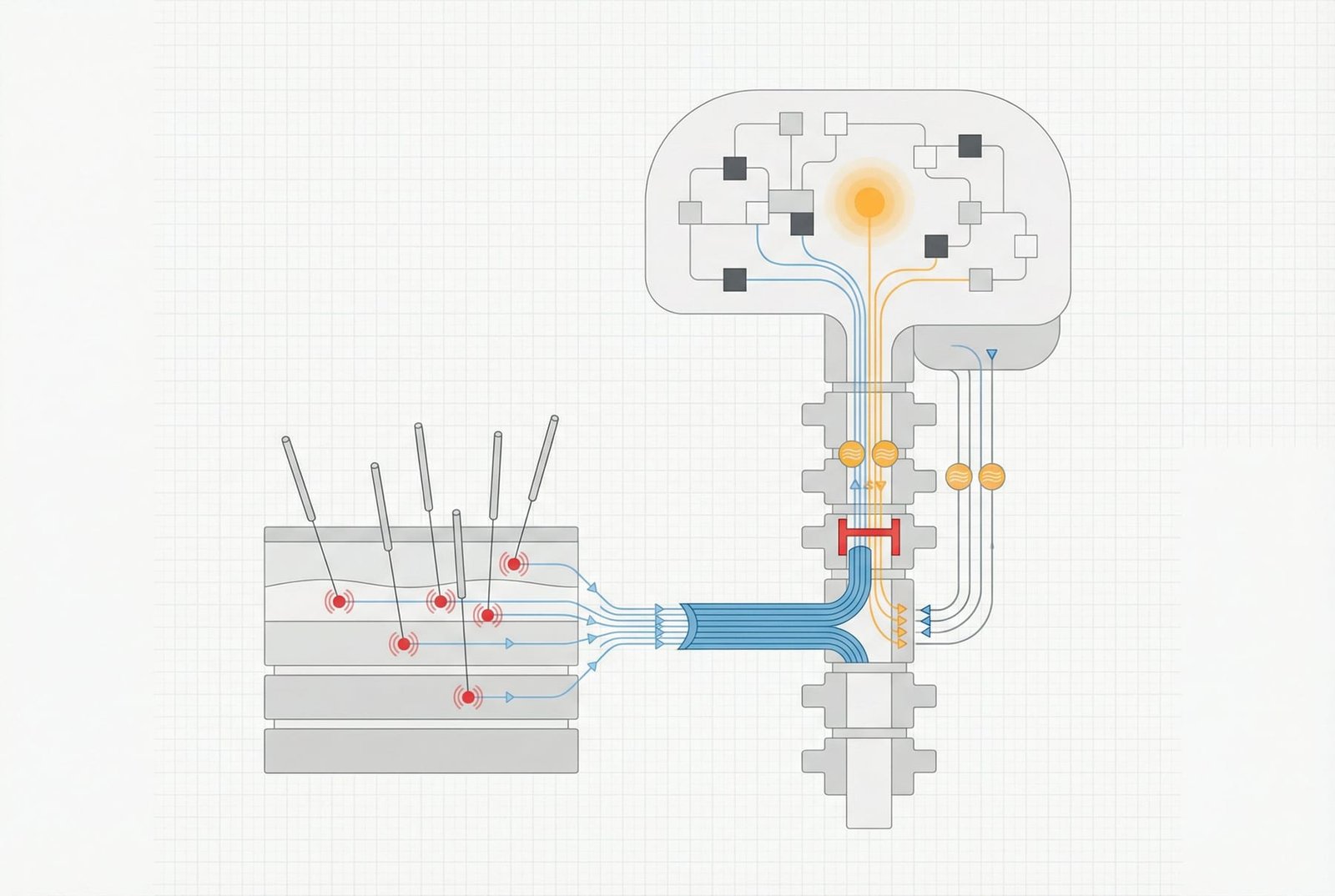
Needling may stimulate A-delta and other afferent fibers within the same spinal segment as the painful area. One proposed effect is increased inhibitory activity at the dorsal horn level, which may reduce transmission of nociceptive signals within that segment. This is a commonly cited neurophysiological explanation rather than a complete explanation of all clinical effects.
Extrasegmental Analgesia
Acupuncture may also engage descending inhibitory pathways involving brainstem structures such as the periaqueductal gray (PAG) and related networks. These pathways are often discussed in relation to broader pain modulation across multiple spinal segments. The exact contribution likely varies by condition, technique, and patient response.
Central Regulatory Effects
Some research suggests acupuncture may influence stress-related and autonomic responses, including limbic and hypothalamic activity. Clinically, some patients report reduced arousal, improved relaxation, or better symptom tolerance during or after treatment. These effects may be relevant in chronic pain, but they should not be presented as universally predictable.
Local Tissue Effects
Needling may increase local blood flow and alter tissue sensitivity in the immediate area around the needle. These local effects are sometimes used to explain symptom changes in painful muscle or soft tissue regions, though the exact relationship between local physiological change and clinical improvement is still being studied.
Neuromodulation
Acupuncture has been associated with changes in endogenous opioid, monoaminergic, and other neuromodulatory pathways. Different stimulation styles and frequencies may bias the response differently, which is one reason electroacupuncture protocols are sometimes varied by clinical goal. These mechanisms are plausible and supported in part by research, but they should not be framed as fully deterministic for any one patient.
Fascial and Connective Tissue Signaling
Needling also produces mechanical input into connective tissue. Needle movement and local tissue deformation may influence mechanosensitive pathways and fibroblast behavior, though the clinical importance of this remains an active area of research rather than a settled explanation.
Point Selection Approaches

Acupuncture Point Selection for Myofascial Pain
Trigger Point Acupuncture
Segmental Points
Paravertebral Points
Distal Points
What to Expect During Treatment
Session Duration
Needle Retention
De Qi Sensation
Relaxation Response
Conditions Treated
Chronic Pain
Headaches & Migraines
Neck & Back Pain
Osteoarthritis
Myofascial Pain Syndrome
Fibromyalgia-Associated Pain
Evidence Base
Western medical acupuncture is supported by a sizeable evidence base, but strength of evidence varies by condition, comparator treatment, and study design. Some guidelines include acupuncture as an option for selected chronic pain conditions such as chronic tension-type headache, migraine prevention, and some musculoskeletal pain presentations.
Large trials and systematic reviews suggest that acupuncture can provide clinically meaningful benefit for some chronic pain patients, especially when used as part of a broader management plan. However, results are not uniform across all conditions, and benefits are usually best described as moderate symptom or function improvement rather than dramatic or universal effects.
The evidence also suggests that needling effects are not reducible to a simple placebo-versus-real binary. So-called sham needling can also produce physiological effects, which complicates interpretation. For that reason, acupuncture research often shows a gradient of effect rather than a clean all-or-nothing contrast.
Electroacupuncture
Electroacupuncture (EA) involves adding low-level electrical stimulation through needles already inserted into tissue. The goal is to provide more consistent and sustained afferent stimulation than manual needling alone.
Different stimulation frequencies are associated with different neurochemical patterns in research models, which is one reason low- and high-frequency protocols are sometimes discussed differently. In clinical practice, however, protocol choice depends on patient tolerance, treatment goals, and practitioner preference as much as on mechanistic theory.
Electroacupuncture is commonly used in chronic pain settings, but it should be considered one variation of acupuncture rather than inherently superior in every case.
Low Frequency (2–4 Hz)
- Often discussed in relation to endorphin- and enkephalin-related mechanisms
- May suit some chronic pain contexts
- Sometimes used when a slower, accumulating effect is desired
- Clinical response remains patient-specific
High Frequency (80–100 Hz)
- Often discussed in relation to dynorphin-related mechanisms
- May produce a different sensory and analgesic profile
- Sometimes used when a faster or different style of stimulation is desired
- Not inherently better — just different in emphasis
How It Differs From TCM Acupuncture
Theoretical Basis
Point Selection
Diagnostic Framework
Mechanism Explanation
Integration
Evidence Approach
- 01Sessions 1-2
Initial assessment, first treatments, and early evaluation of tolerance
- 02Sessions 3-4
Early reassessment to see whether the treatment seems to be helping
- 03Sessions 5-8
Continued treatment if there is a meaningful response
- 04Later Sessions
Spacing may increase if benefit is sustained and ongoing treatment is still justified
- 05Maintenance
Used selectively in some chronic cases rather than assumed for everyone
Session Protocol & Treatment Course
Session Protocol & Treatment Course
Step-by-Step Illustration