The Hard Truth: Many patients with myofascial pain syndrome see multiple clinicians before receiving an accurate diagnosis, sometimes after months or years of inconclusive workups. Your pain is real, but it often takes a clinician with musculoskeletal pain expertise to identify it.
Why Diagnosis is So Difficult
Acute vs. Chronic Pain Differences
Acute pain is usually a temporary response to a specific injury. Chronic myofascial pain, however, is a complex condition that alters how your nervous system processes pain over time, requiring a completely different diagnostic approach.
Invisible on Standard Tests
Trigger points do not appear on X-rays, MRIs, or routine blood tests, making them invisible to conventional diagnostics. Most doctors rely on imaging — and when the scans come back clean, the pain gets dismissed.
Symptom Overlap
Myofascial pain often mimics other conditions — arthritis, sciatica, migraines, even heart disease — creating a confusing web of symptoms for non-specialists that leads down the wrong diagnostic path.
Lack of Broad Awareness
While general practitioners do their best, many receive minimal specialized training in complex muscle pain, leading to underdiagnosis. Myofascial pain is rarely part of the medical school curriculum.
The Typical Patient Journey
Patients often endure a frustrating, years-long cycle before finding relief.
Initial Symptoms
Days to WeeksPain, stiffness, or limited mobility begins. Often dismissed as "normal aging" or overexertion. The real cause — trigger points — goes unrecognized.
Self-Treatment
Weeks to MonthsReliance on over-the-counter medications, rest, or home remedies with little to no lasting success. The pain keeps returning.
First Medical Visit
1-3 MonthsStandard tests (X-rays, blood work) are ordered but come back normal. The doctor is puzzled. You leave with no clear answer.
Diagnostic Confusion
6-24 MonthsMultiple potential — and often incorrect — diagnoses are considered. Patients may be told, "It's all in your head."
Correct Diagnosis
1-3 YearsA knowledgeable provider finally recognizes myofascial pain syndrome and begins appropriate, targeted treatment.
Common Misdiagnoses
Because trigger points often send “referred pain” to other areas of the body, myofascial pain syndrome is frequently mistaken for other conditions.
| Misdiagnosis | Overlapping Symptoms | Key Difference |
|---|---|---|
Fibromyalgia | Widespread pain, fatigue, sleep issues | Fibromyalgia features generalized tender points; trigger points are localized and cause referred pain. |
Arthritis | Joint pain, stiffness, reduced mobility | Arthritis affects the joints directly; trigger points are found in the muscle tissue. |
Nerve Compression | Radiating pain, numbness, tingling | Nerve issues follow specific dermatomal nerve paths; trigger points have unique, muscle-specific referral patterns. |
Chronic Fatigue (CFS) | Fatigue, muscle pain, brain fog | CFS is defined by persistent exhaustion not improved by rest, rather than localized muscle knots. |
Depression / Anxiety | Fatigue, pain, reduced activity | While chronic pain causes mood changes, myofascial pain has physical, palpable muscle findings on examination. |
Lyme Disease | Muscle/joint pain, heavy fatigue | Lyme requires specific testing and is often preceded by a tick bite or rash. |
Fibromyalgia vs. Myofascial Pain
These two conditions are frequently confused, often coexist, and require fundamentally different treatment approaches.
Fibromyalgia
Central Sensitization Syndrome
A central nervous system disorder where the brain amplifies pain signals body-wide. Characterized by widespread pain, fatigue, cognitive fog, and unrefreshing sleep.
Myofascial Pain
Peripheral Muscle Disorder
A peripheral muscle condition caused by trigger points — palpable, contracted nodules in taut bands that cause localized pain and predictable referred pain patterns.
| Feature | Fibromyalgia | Myofascial Pain |
|---|---|---|
| Pain Type | Widespread, diffuse, generalized aching | Localized to specific muscles with predictable referred pain patterns |
| Pain Location | Bilateral, above and below the waist ("everywhere") | Regional — in specific muscles and their referral zones |
| Tender Points vs Trigger Points | Generalized tender points — painful when pressed, no referred pain | Trigger points — palpable nodules in taut bands that refer pain to distant areas |
| Taut Bands | Absent — muscles feel generally sore but not banded | Present — tight, ropey bands of muscle fibers can be palpated |
| Referred Pain | No — pain is at the site of tenderness only | Yes — pressing the trigger point reproduces pain in a different area |
| Local Twitch Response | Absent | Present — visible muscle twitch when trigger point is needled or snapped |
| Central Sensitization | Primary feature — the central nervous system amplifies all pain signals | Can develop secondarily if trigger points persist long enough |
| Fatigue & Sleep | Severe — unrefreshing sleep, chronic fatigue, and "fibro fog" are hallmarks | Mild to moderate — sleep disrupted mainly by positional pain |
| Imaging Findings | Normal on all imaging — no visible pathology | Ultrasound elastography can detect stiffer, contracted tissue at trigger points |
| Lab Tests | All normal — diagnosis is purely clinical | All normal — diagnosis is clinical, based on palpation |
| Response to Local Treatment | Poor — treating one area provides little global relief | Excellent — deactivating the trigger point often resolves the pain pattern |
| Exercise Response | Initially worsens symptoms; requires very gradual progression | Generally beneficial — stretching and strengthening help resolve trigger points |
| Primary Treatment | Centrally-acting medications (duloxetine, pregabalin), aerobic exercise, CBT | Direct trigger point treatment (needling, manual therapy), stretching, posture correction |
| Prognosis | Chronic condition requiring long-term management | Often resolvable — trigger points can be fully deactivated with proper treatment |
| Can They Coexist? | Yes — peripheral trigger points can drive central sensitization | Yes — treating myofascial component can significantly reduce fibro symptoms |
They Often Coexist
Peripheral trigger points can drive central sensitization. Many fibromyalgia patients have a significant myofascial pain component that, when treated, dramatically reduces their overall symptoms.
Myofascial is Treatable
Unlike fibromyalgia which requires long-term management, myofascial trigger points can often be quieted or desensitized with direct treatment — dry needling, manual therapy, and corrective exercise.
Diagnosis Matters
Distinguishing between the two is essential because their treatments differ fundamentally — centrally-acting medications for fibromyalgia vs. local physical treatment for trigger points.
Finding the Right Experts
Medical doctors specialized in pain are the ones who truly understand it. Step off the merry-go-round of general tests and seek specialists trained to identify complex pain disorders.
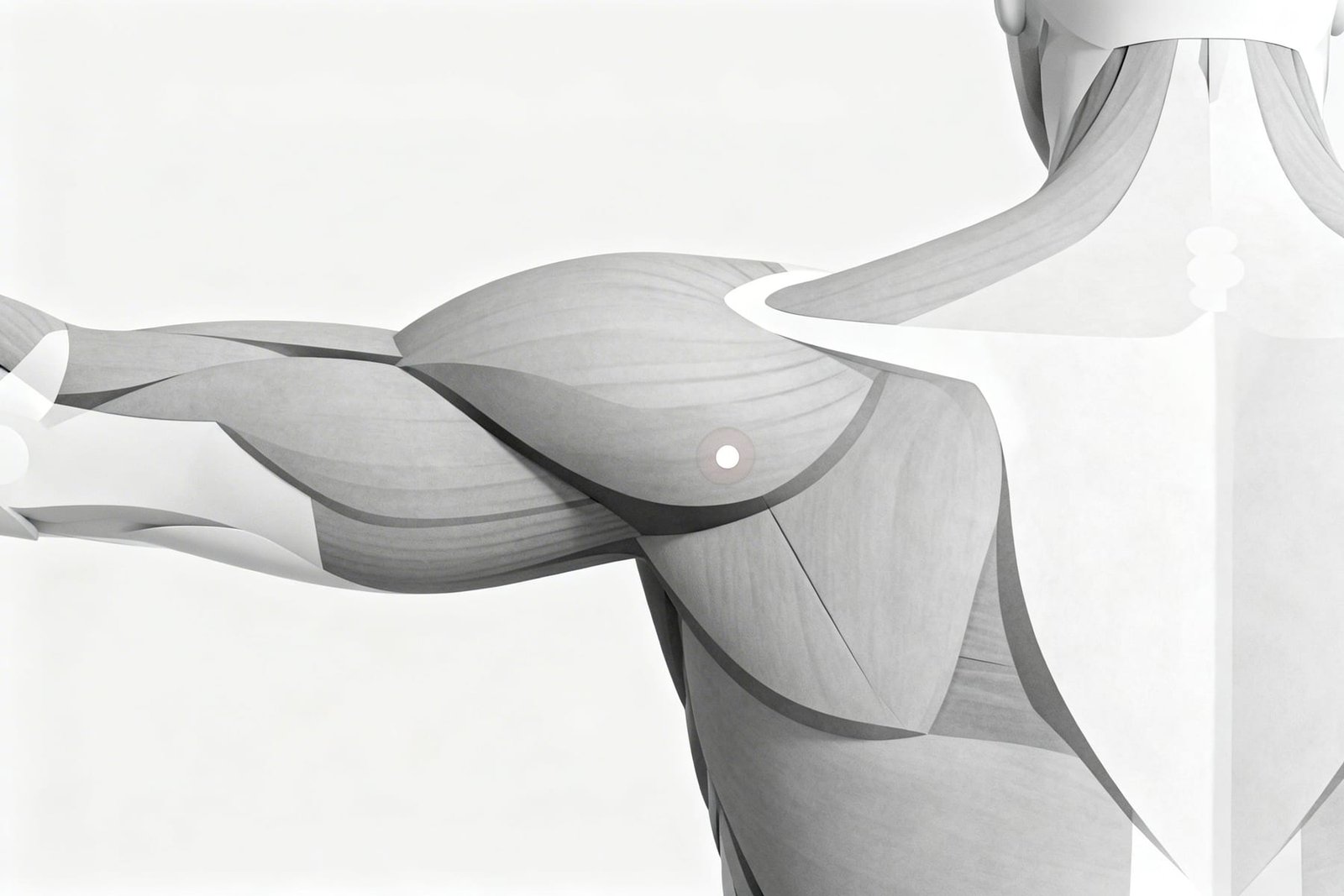
Physical Examination Technique for Trigger Points
Physiatrists (PM&R)
Physical Medicine and Rehabilitation specialists are uniquely trained in musculoskeletal diagnosis and non-surgical treatment. They excel at identifying myofascial pain syndrome, coordinating multi-modal treatment plans, and performing trigger point injections.
Pain Management Physicians
Specialists trained in diagnosing and treating complex chronic pain conditions including myofascial pain syndrome.
Orthopedists
Musculoskeletal experts who can differentiate myofascial pain from joint and bone conditions.
Rheumatologists
Specialists in systemic pain conditions who can rule out autoimmune causes and identify myofascial components.
Neurologists
Can differentiate myofascial referred pain from true nerve compression and neuropathic pain conditions.
How These Experts Diagnose Trigger Points
Instead of relying on scans, specialized doctors use clinical evaluation:
Finding localized tenderness in a taut band of muscle
Identifying the exquisitely tender nodule (the trigger point)
Reproducing your exact pain pattern upon pressing the point
Observing a visible or palpable "local twitch response"
Restricted range of motion in the affected muscles
Symptoms worsen with specific muscle use or under stress
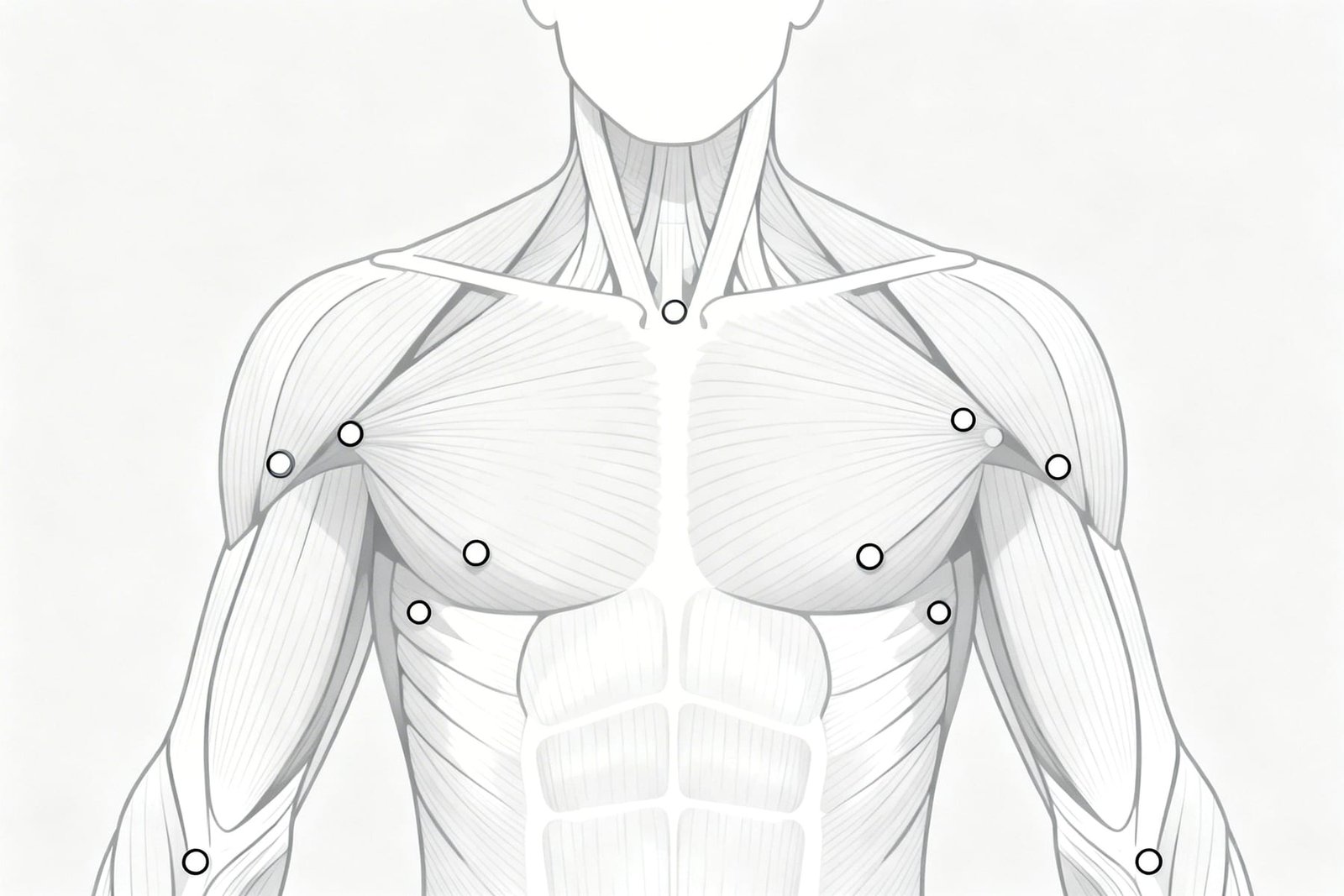
Palpation Guide
Identifying Taut BandsClinical History
Physical Examination
Functional Assessment
Differential Diagnosis
Diagnosis Confirmation
The Path to Relief: Multimodal Therapy
Successfully treating myofascial pain is not a quick fix — it requires a structured, optimized approach combining non-pharmacological and pharmacological treatments.
Pain Management (Stabilization)
The first phase takes time. The primary goal is to calm the nervous system and manage the active pain so you can tolerate physical therapy.
Targeted Interventions
This may include trigger point injections, dry needling, or specific medications prescribed by your specialist to break the pain cycle.
A Note on Medication
While specific muscle relaxants or nerve medications may be used, opioids should be avoided. They are generally ineffective for myofascial pain and carry high risks of dependency without addressing the root cause in the muscle tissue.
Rehabilitation and Treatment
Once the severe pain is dialed back, the real healing begins. This phase requires commitment and consistency.
Physical Therapy & Exercise
Rebuilding the muscle takes time and consistency. Physical therapy is crucial to stretch the taut bands, correct posture, and strengthen the muscles so the trigger points do not return.
Why Recovery Takes Months
Healing chronic muscle changes doesn’t happen overnight. Committing to your prescribed exercises over a sustained period is the ultimate key to long-term relief.
Seeking a Trigger Point Specialist
If you suspect myofascial pain, seek out healthcare providers who specialize in trigger point therapy. Your pain is real, and help is available.