गैर-दवा उपचार
मैन्युअल थेरेपी, ड्राई नीडलिंग, स्ट्रेच और व्यायाम-आधारित हस्तक्षेप।
उपचार
गैर-दवाई उपचार
थेरेपी-आधारित, उपकरण-आधारित और व्यवहार-आधारित उपाय — ऐसे साक्ष्य-आधारित उपचार जो दवाइयों पर निर्भर नहीं हैं।
Non-Pharmacological Treatments
18 evidence-based physical therapies: acupuncture, dry needling, shockwave, laser, cupping, TENS, fascial manipulation, and more.
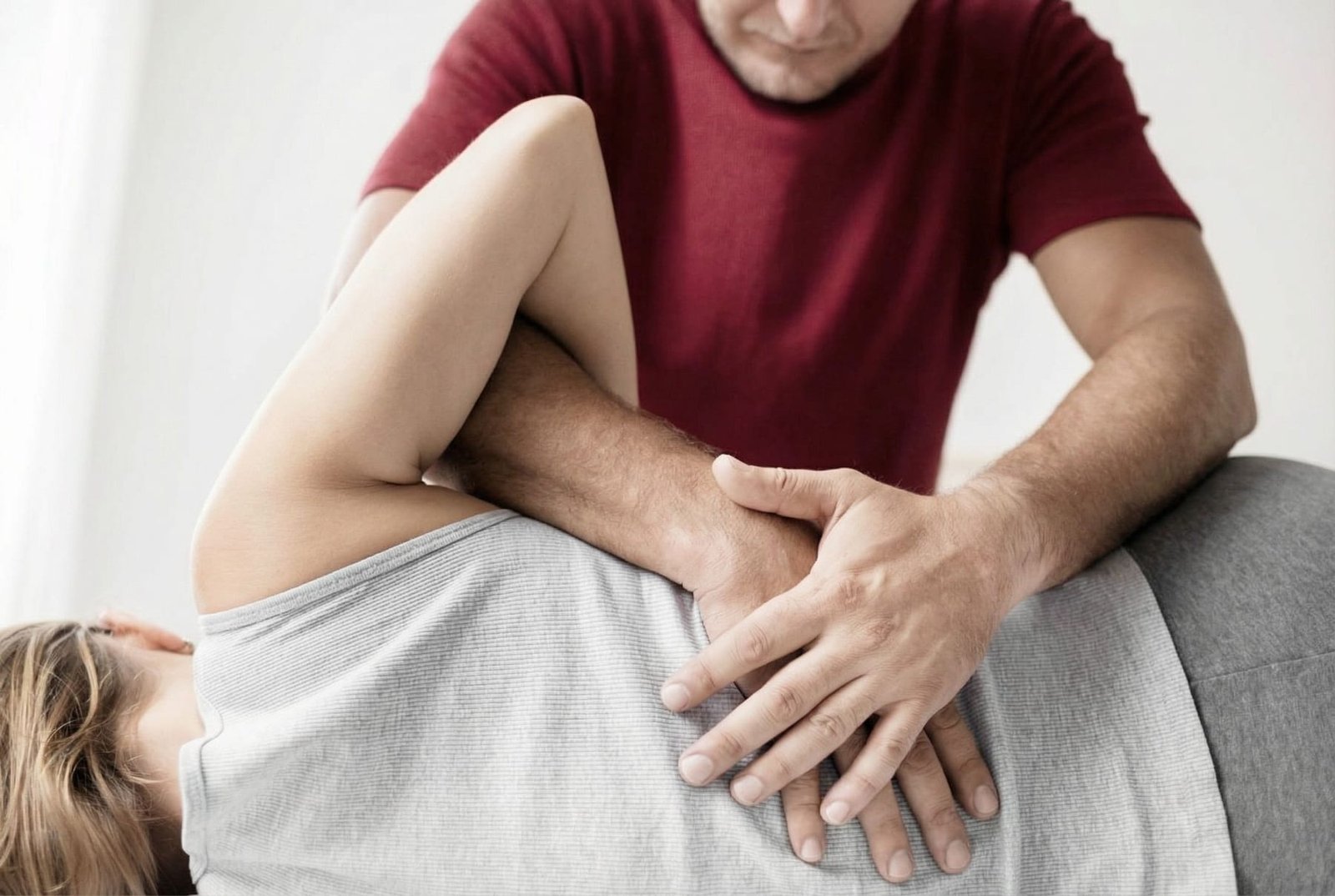
Manual Therapy
Ischemic compression, myofascial release, deep tissue, spray-and-stretch, strain-counterstrain, and muscle energy techniques.
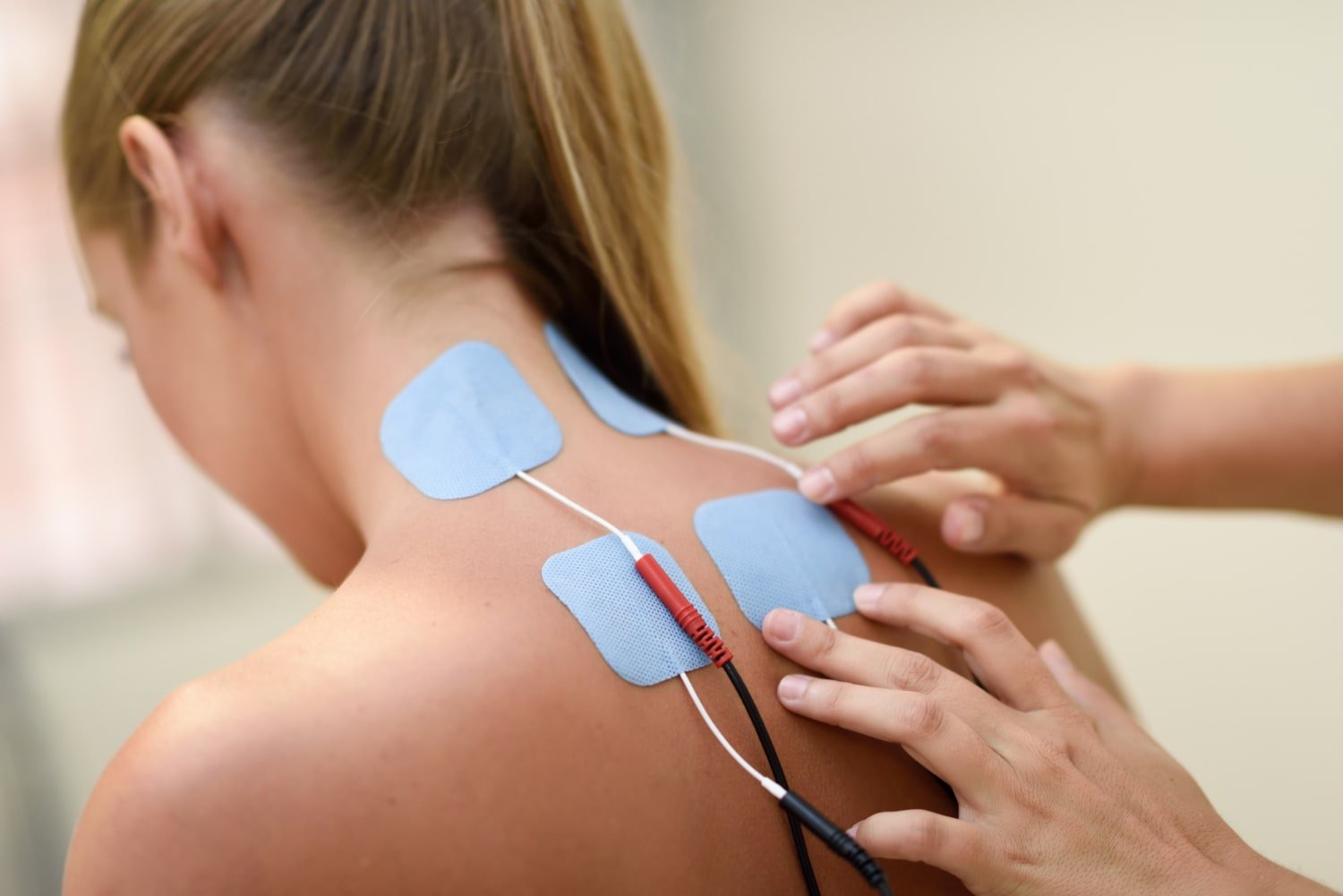
TENS
Transcutaneous electrical nerve stimulation for self-administered pain relief. Modes, electrode placement, home use guide.
Vagus Nerve Stimulation
Autonomic neuromodulation via the vagus nerve. Anti-inflammatory reflex, tVNS devices, and practical self-stimulation techniques.
tDCS & TMS
Transcranial direct current stimulation and transcranial magnetic stimulation — brain-level neuromodulation for central sensitization.

Pain Neuroscience Education
Understanding how pain works in the nervous system. Grade A evidence for reducing catastrophizing, fear-avoidance, and disability.
CBT Strategies
Cognitive behavioral strategies for chronic pain — restructuring thoughts, graded exposure, relaxation training, and acceptance.

Sleep Optimization
The #1 perpetuating factor for myofascial pain. Sleep hygiene, positions, CBT-I, medications for sleep, and the pain-sleep vicious cycle.
Mindfulness & Meditation for Pain
Train your brain to change its relationship with pain — MBSR, body scan techniques, guided exercises, and the fMRI evidence behind it.
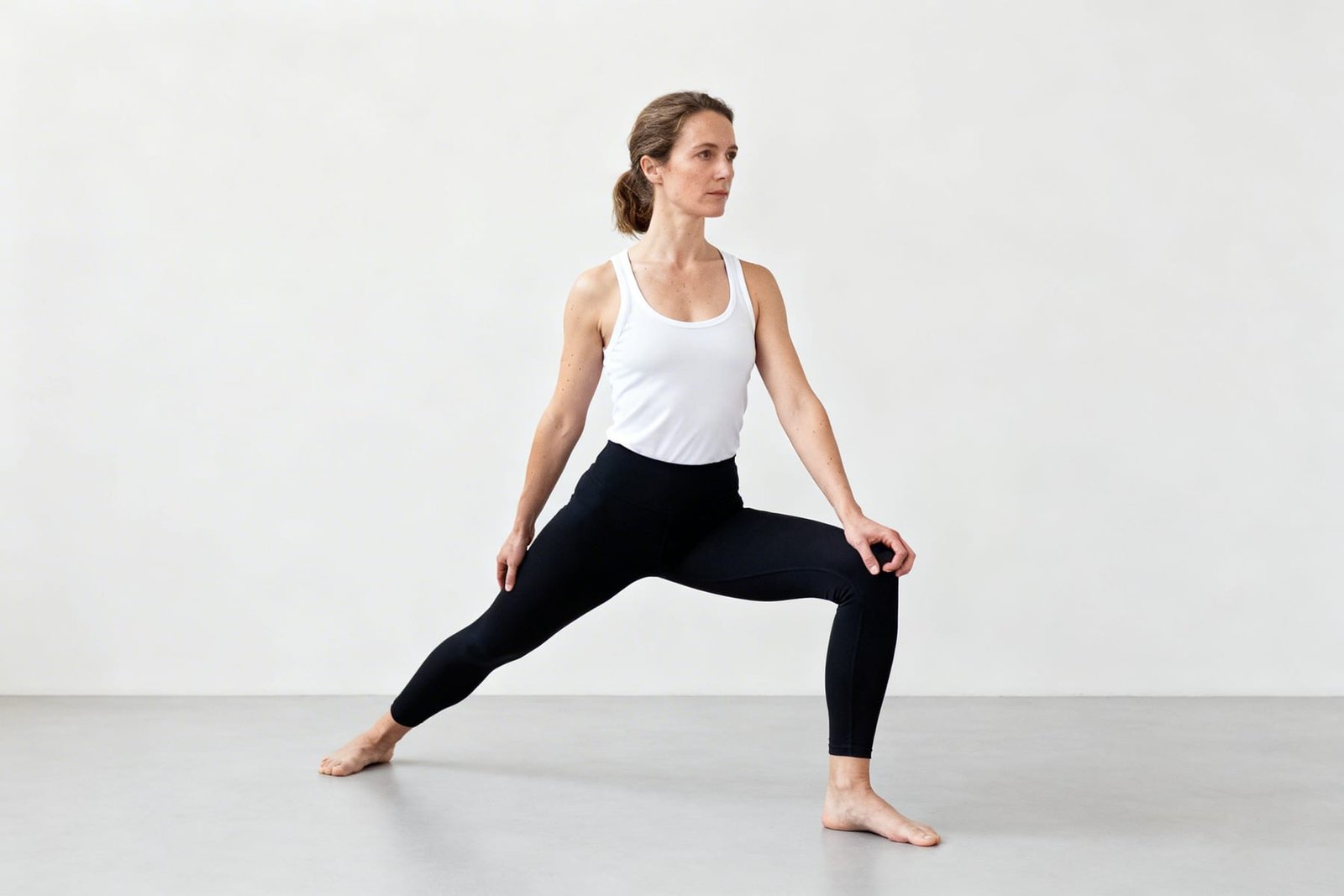
Physical Therapy for MPS
Active and passive treatments — manual release, dry needling, ultrasound, therapeutic exercise, neuromuscular re-education, and progressive loading protocols.
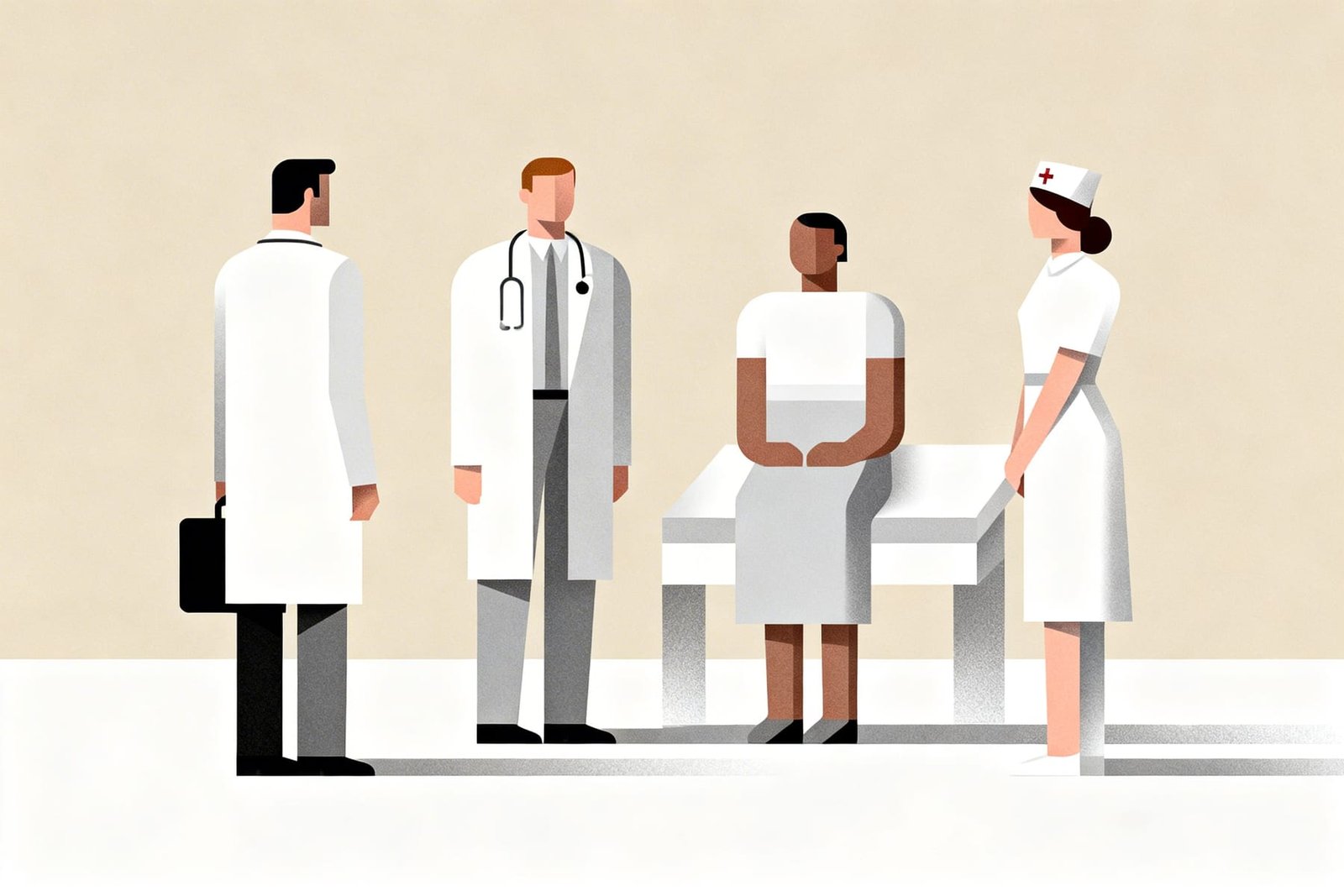
Building Your Care Team
Which practitioners do what, how to evaluate if they understand myofascial pain, questions to ask, red flags, and sample care team configurations.
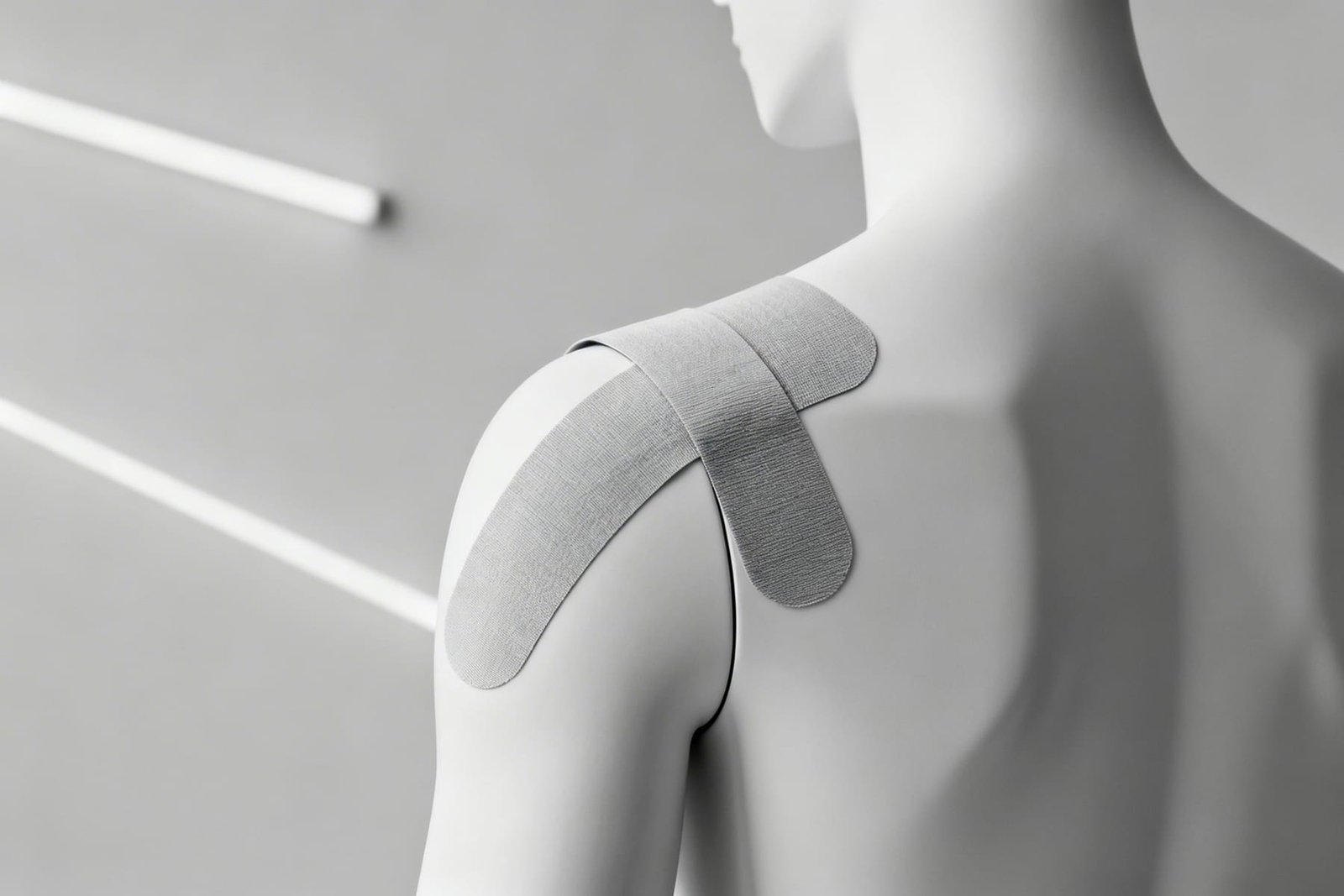
Kinesiology Taping for MPS
KT Tape, RockTape, and Kinesio techniques — specific application patterns for trapezius, lumbar, and patellar MPS, with honest appraisal of what the evidence supports.
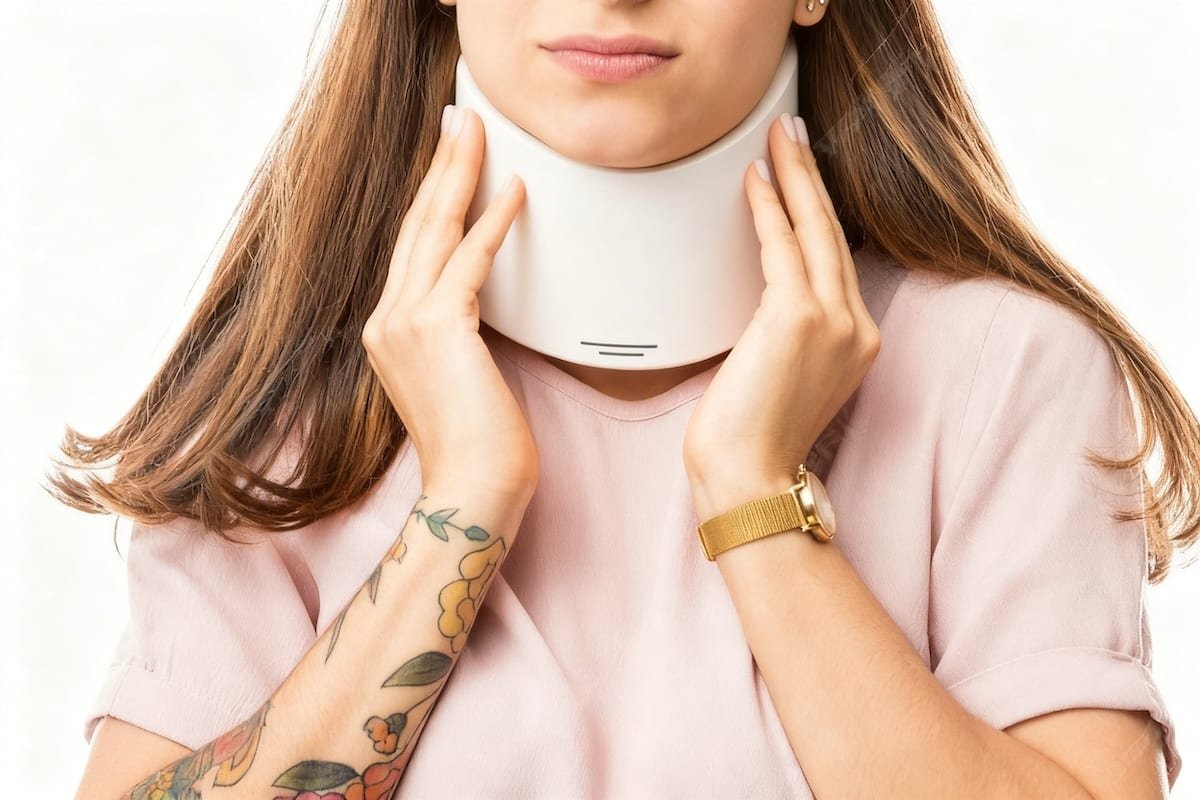
Bracing & Supports
When supports help and when they harm — cervical collars, lumbar belts, wrist splints, proper wear schedules, and a structured protocol for weaning off bracing.